
Reviewed · ALTERNATIVE BUCHAREST TOURS
Troubled – Notorious Neighborhood – area known for social issues
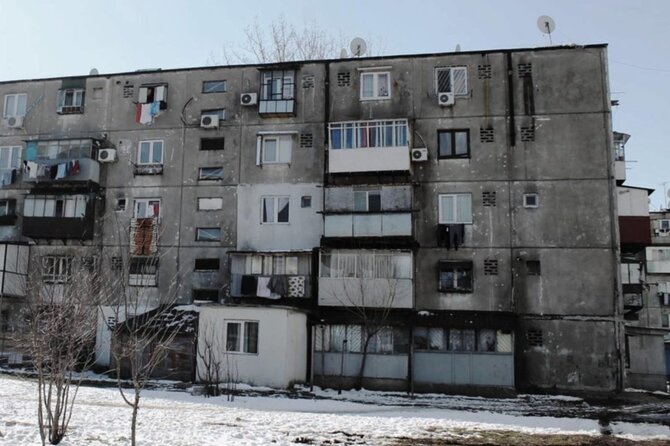
This is Bucharest away from the postcard center: a private, guided look at Ferentari, Rahova, and Sintești, places linked with poverty, Roma communities, old prisons, local markets, and sharp social divides. You get a side of the capital most visitors never see, with guides such as Sebastian, Catalin, Bogdan, Valerica, and Matthew bringing personal explanation and humor to difficult subjects.
I like the small private format, since your group can ask direct questions and move with care. I also like the mix of walking and driving, which lets you visit markets and streets without turning the whole outing into a long walk through unfamiliar areas.
The hard part is the tour’s subject and presentation. You are looking at real homes and real hardship, so this requires humility, restraint, and a willingness to accept that photography may not always be appropriate.
Key points to know before booking
- Three very different stops: Ferentari and Rahova are Bucharest neighborhoods, while Sintești is a village known for its ornate Roma houses.
- About 3 hours and 30 minutes: Each stop is planned for roughly 1 hour and 10 minutes.
- Mostly by vehicle: Walking is included at markets and selected local areas, but much of the route is done by car.
- Private English-language experience: Only your group takes part, with pickup available.
- Dress plainly: Leave jewelry and expensive items behind, and follow the guide’s advice about belongings.
- A social tour, not a sightseeing tour: The focus is poverty, Roma life, local commerce, housing, and Bucharest’s less polished side.
What this Bucharest experience is really about
This is not a standard city tour with grand buildings and famous squares. It is designed around social contrast. In a few hours, you move from some of Bucharest’s poorest streets to a village of large Roma houses, with the guide explaining how communities, money, housing, and public attitudes fit together.
The wording used to describe the experience can be blunt, and some of the labels attached to these neighborhoods are loaded. I would approach the tour as a lesson in urban inequality and Roma life, not as a hunt for danger or poverty photographs.
That difference matters. The best part of the experience is not seeing a rough street. It is having someone explain what you are seeing, what you should not assume, and how the area fits into Bucharest’s past and present.
Guides named in the feedback include Sebastian, Bogdan, Catalin, Valerica, and Matthew. Their styles vary, but the useful pattern is clear: the guide is expected to explain local history, Roma customs, daily pressures, and basic conduct while keeping the group safe and discreet.
Other tours off the usual route in Bucharest:
- Bucharest: Alternative Sightseeing 2.5-3h-Hour Guided Tour
★ 4.9 · 80 reviews - Bucharest Alternative Walking Tour
★ 4.9 · 63 reviews - Slavery in Romania,Myths and Truths on Gypsies, Walking Tour
★ 4.9 · 42 reviews
Ferentari: Bucharest’s toughest stop
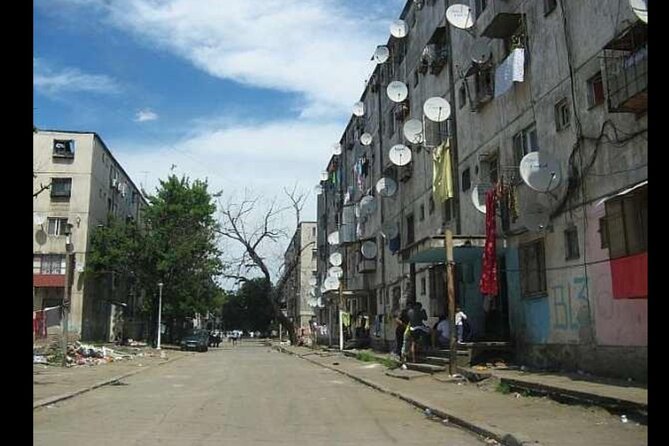
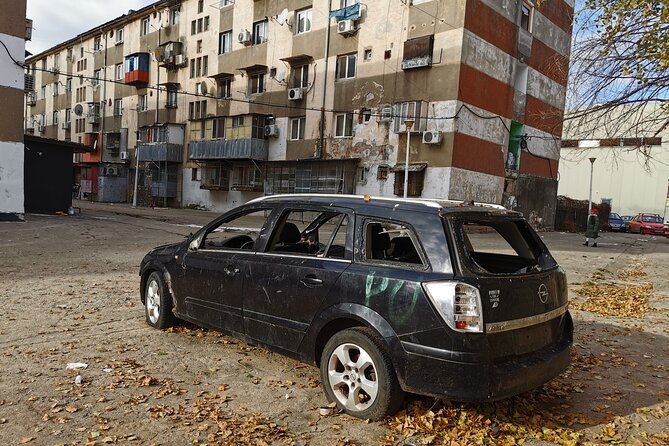
The first stop is Ferentari, described as one of the capital’s poorest and most troubled neighborhoods. You spend about 1 hour and 10 minutes here, with no admission fee.
Ferentari is likely to feel far removed from the central Bucharest most visitors know. The value is in seeing how city life changes when housing, income, services, and public reputation all work against a neighborhood.
I would not come here expecting monuments or a tidy list of attractions. The streets, buildings, and daily activity are the subject. Your guide may point out the difference between what outsiders see and what residents deal with, giving you a more useful picture than a quick drive-by ever could.
This is also where the tour’s rules matter most. Dress in plain clothes. Do not wear flashy jewelry. Keep expensive items out of sight. Most important, do not treat residents as part of the scenery.
Some of the walking may take place near local markets or residential streets. That gives you a look at ordinary shopping and social life, but it also means you should ask before taking photographs. A camera can turn a serious visit into an intrusive one very quickly.
I like that Ferentari is not presented as a sealed-off curiosity. The route is meant to show a functioning community with serious problems, not a movie set called the bad part of Bucharest. Still, you should be ready for an uncomfortable hour. This is not the right outing if you want a light, easy afternoon.
Rahova: markets, memory, and a former prison
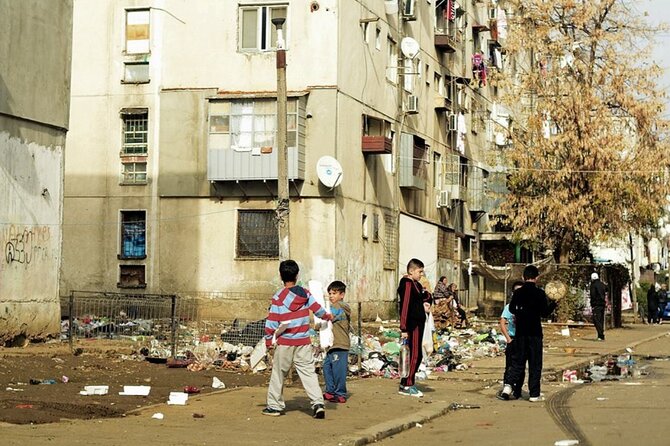
The second stop is Rahova, also planned for about 1 hour and 10 minutes. The visit includes local areas, a flower market, a general market, and the area connected with Rahova Penitentiary on Strada Adrian 4.
Rahova gives the tour more texture. You are not simply passing through poor housing. You may walk through places where people shop, talk, and manage everyday life. The market visit is one of the more grounded parts of the experience because it lets you see local commerce rather than only buildings and statistics.
A guide may also explain the neighborhood’s reputation, Roma settlement patterns, and the role of the prison. The penitentiary is part of the area’s story, but this is not presented as a prison tour with an interior visit. Think of it as a location used to explain Rahova and its past.
The walking here is useful, but it is also where good manners become practical rather than abstract. Ask before photographing people, stalls, homes, or children. Follow the guide if you are told to put the phone away. One guide, Catalin, is specifically described as clear about what is and is not possible, and that kind of direction is exactly what you want.
I like Rahova because it connects the social subject to ordinary life. You may see where people buy flowers or groceries, then hear how the neighborhood has been shaped by poverty, prejudice, and institutional history. The drawback is that the experience can feel intrusive if visitors treat the market as an exotic display. Your attitude will shape the quality of the visit.
Sintești: from city poverty to Roma palaces
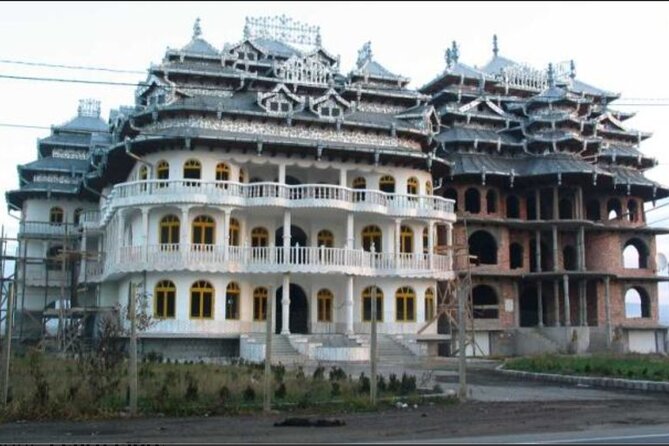
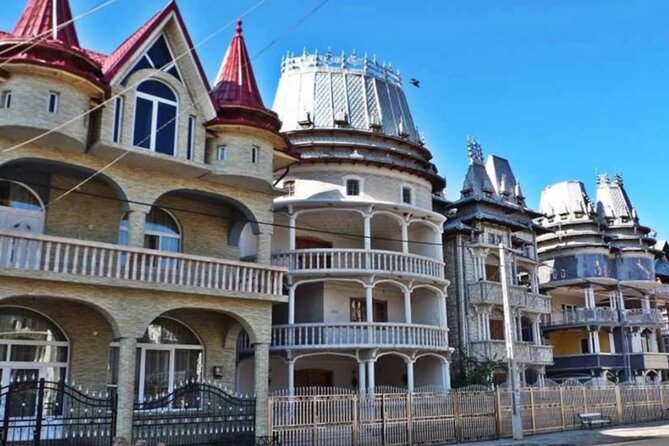
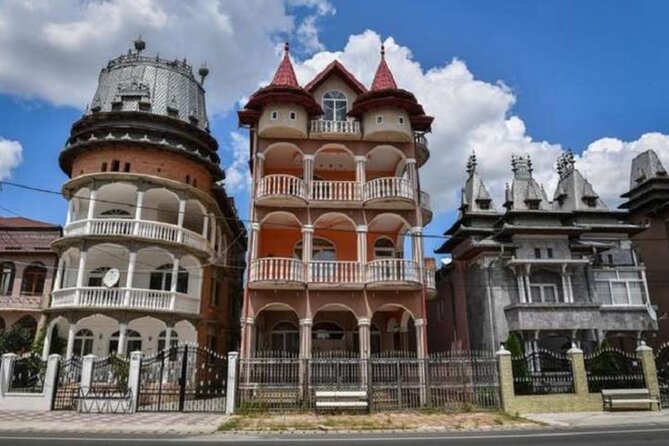
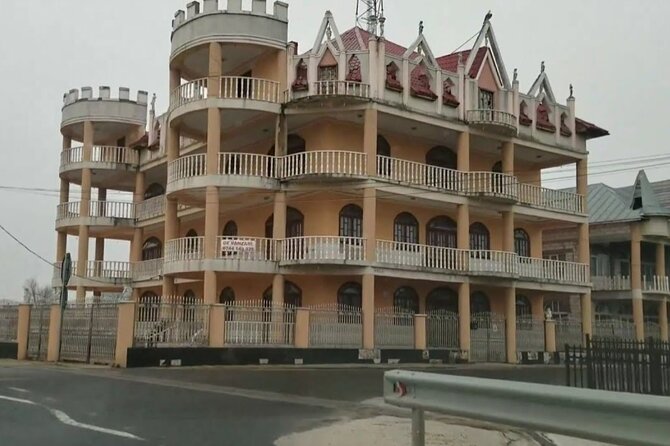
The final stop takes you outside Bucharest to Sintești, a village known for its large Roma houses, sometimes called Roma palaces. The stop is also planned for about 1 hour and 10 minutes, at the listed address on Strada Principală Nr. 353A.
This change of setting is what gives the tour its strongest contrast. Ferentari and Rahova show urban hardship. Sintești shows a different side of Roma life, where some families have built oversized, highly decorated homes. The guide uses the village to discuss wealth, status, income, and the legal or informal business networks associated with that prosperity.
You should keep your expectations in check. You are not signing up for entry into private homes, and the information provided does not promise an architectural tour. The interest lies in seeing the houses from the village streets and hearing the guide explain the social meaning behind them.
This stop also helps correct a common lazy assumption: Roma communities are not all alike. Within one short route, you can see poverty, working markets, modest housing, and conspicuous wealth. That does not explain every Roma family or every village, but it is a useful reminder that a single stereotype cannot cover a large and varied population.
Sintești may be the most visually striking part of the outing, yet I would treat it with the same care as the poorer neighborhoods. Large houses are still private homes. Do not assume that an unusual facade gives you permission to photograph people, property, or household activity.
Same base, a completely different day:
- Bucharest: Dracula’s Castle, Peles Castle, & Brasov Old Town
★ 4.5 · 17,858 reviews - Bucharest: Dracula Castle, Peles Castle & Brasov Old Town
★ 4.6 · 10,891 reviews - Bucharest: Dracula’s Castle, Peleș Castle & Brașov Day Trip
★ 4.5 · 5,919 reviews - Bucharest: Palace of Parliament Tickets and Guide
★ 4.3 · 3,182 reviews
A private ride with guided walking
The experience lasts about 3 hours and 30 minutes, and each of the three stops receives roughly the same amount of time. That is a sensible structure. You get enough time to form an impression of each place without spending the entire day in one neighborhood.
Much of the tour is done by vehicle. Walking is included at the flower market, local market, and selected places in Rahova and Ferentari. This matters for two reasons. First, you cover more ground than you could on foot. Second, you can step out for short periods rather than spending hours walking in areas that may feel unfamiliar.
Pickup is offered, and the listed meeting points are near public transportation. The exact pickup arrangement is not detailed, so confirm it when booking. The activity is private, which means only your group participates. That makes the price easier to understand if you are traveling with several people, since the guide can focus on your questions rather than a large mixed group.
The tour is offered in English. Confirmation arrives at booking, and most people can participate according to the supplied information. No special physical ability is listed as a requirement, though the walking sections mean you should be comfortable getting in and out of a vehicle and walking through markets and neighborhood streets.
Why the guide matters so much
This experience depends heavily on the person leading it. A poor guide could reduce the outing to stereotypes and shock value. A good guide can give you context, explain boundaries, and help you notice the difference between poverty, culture, prejudice, and personal choice.
Sebastian is described as adding humor while keeping the group safe. Bogdan is noted for explaining Bucharest’s story in a friendly way. Catalin is praised for explaining Roma life and setting clear rules around photos and conduct. Valerica is described as disciplined and careful, with attention to Roma customs, daily struggles, and codes of behavior. Matthew is named as part of a guiding team that leads visitors into places they would not normally reach alone.
Since guides can change, you should not book on the promise of one particular personality unless the supplier confirms who will lead your departure. Still, these names show the range of the experience: local history, social explanation, humor, and practical supervision.
I would use the private format to ask respectful, specific questions. Ask how the neighborhood changed, what the market means to local residents, or how Roma communities differ from one another. Avoid questions that treat an entire ethnic group as a single character.
The ethical question: learning or poverty tourism?
This is the most important decision point. A tour of poor neighborhoods can educate you, but it can also turn hardship into entertainment. The difference comes from purpose and behavior.
You should book this experience if you want social context and are prepared to listen. You should skip it if your main goal is dramatic photographs, danger stories, or bragging rights about entering a rough area.
Keep your phone away unless the guide says photography is fine. Do not photograph people without permission. Do not point cameras into homes or private yards. Do not touch personal belongings or make jokes about housing, clothing, or family life.
The title and some of the promotional language may sound sensational. I would look past that and judge the outing by its ground rules. The supplied guidance to dress simply and avoid expensive items is practical, but respectful behavior matters just as much as plain clothing.
Is $130.83 a fair price?
At $130.83 per person, this is not a cheap Bucharest excursion. It costs more than a basic central walking tour, and there are no paid attractions included. Admission to all listed stops is free.
The value comes from access, transport, privacy, and explanation. You are paying for a private vehicle-based route across three difficult-to-reach areas, an English-speaking guide, and a level of local context you would be unlikely to gain by wandering alone. The private setup is especially useful for couples, families, or small groups who want to ask questions freely.
For one person, the price may feel steep, particularly if you prefer museums, architecture, or conventional sightseeing. For a group, the private format can make more sense, especially since group discounts are offered.
The experience is booked an average of 48 days ahead, so planning early is sensible. Free cancellation is available up to 24 hours before the start time. Cancellations or changes inside that window are not refunded or accepted, with cut-off times based on local time.
Who should book this experience?
I would recommend it to repeat visitors who have already seen central Bucharest and want a harder, more social look at the capital. It also suits people interested in Roma history, poverty, housing, markets, and the gap between city wealth and deprivation.
It may work for first-time visitors who are comfortable with an unconventional introduction to Bucharest. Just do not schedule it as your only city experience. You will understand it better after seeing some of the capital’s central streets and ordinary tourist sights.
I would not choose it for young children, although the supplied information says most people can participate. The subject is serious, the surroundings may be uncomfortable, and the correct response requires maturity and discretion. I would also avoid booking it if you want a relaxed sightseeing day with attractive views and famous landmarks.
Should you book the Troubled, Notorious Neighborhood tour?
Book it if you want a private, guided look at Bucharest’s social realities, and if you can visit without treating residents as exhibits. The strongest parts are the contrast between Ferentari, Rahova, and Sintești, the local market walks, and the chance to ask direct questions of a guide such as Sebastian, Catalin, Bogdan, or Valerica.
Skip it if you are uncomfortable with poverty-focused tourism or if you mainly want architecture and monuments. At $130.83, the price only makes sense when access, transport, privacy, and social context are worth more to you than paid attractions.
For the right visitor, this can be a memorable correction to the polished city break. Go quietly, dress simply, follow the guide, and let the people who live there remain people rather than scenery.
FAQ
Where does the tour take place?
It visits Ferentari and Rahova in Bucharest, followed by Sintești village, which is known for Roma palaces.
How long does the experience last?
The tour lasts approximately 3 hours and 30 minutes, with about 1 hour and 10 minutes planned for each stop.
Is transportation included?
Pickup is offered, and a large part of the tour is completed by vehicle. Walking is included at local markets and selected areas in Ferentari and Rahova.
Is the tour private?
Yes. Only your group participates in the activity.
Is the tour offered in English?
Yes. The experience is offered in English.
What should I wear?
Dress as simply as possible. Avoid jewelry and expensive items.
Can I take photographs?
Photography is not automatically appropriate in every location. Follow your guide’s instructions and respect residents before taking pictures or video.
How much does the tour cost?
The listed price is $130.83 per person. Group discounts are offered.
Can I cancel for a full refund?
Yes, if you cancel at least 24 hours before the experience start time. Cancellations or changes made less than 24 hours in advance are not refunded or accepted.
Just added around Bucharest
- Winery touring & private wine tasting – one day private tour★ 5.0 · 3 reviews
- Village Museum Bucharest Guided Tour★ 5.0 · 6 reviews
- Bucharest: Dealu Mare Winery Private Trip with Wine Tasting★ 4.9 · 6 reviews
- Traditions in Bucharest: Village Museum and Wine Tasting★ 5.0 · 8 reviews
- Transylvania Tour: Dracula’s Castle, Peles Palace & Brasov★ 5.0 · 19 reviews
- Airport Henri Coanda (Otopeni) to Bucharest – Private Transfer – Driver★ 5.0 · 5 reviews
- Gems of Transilvania: Brasov,Sighisoara,Sibiu,Viscri and more★ 5.0 · 6 reviews
- Discover Medieval Transylvania Small Group Tour – 7 days★ 5.0 · 4 reviews
Alternative Bucharest Tours, compared.
Slavery in Romania,Myths and Truths on Gypsies, Walking Tour
Read our review →
Alternative Bucharest: 2.5-3 Hours Walking tour (Small groups)
Read our review →
Slavery in Romania Myths and Truths About Gypsies
Read our review →Browse the lists this tour appears in