
Reviewed · HISTORICAL TOURS
Timisoara: Jewish Heritage Walking Tour
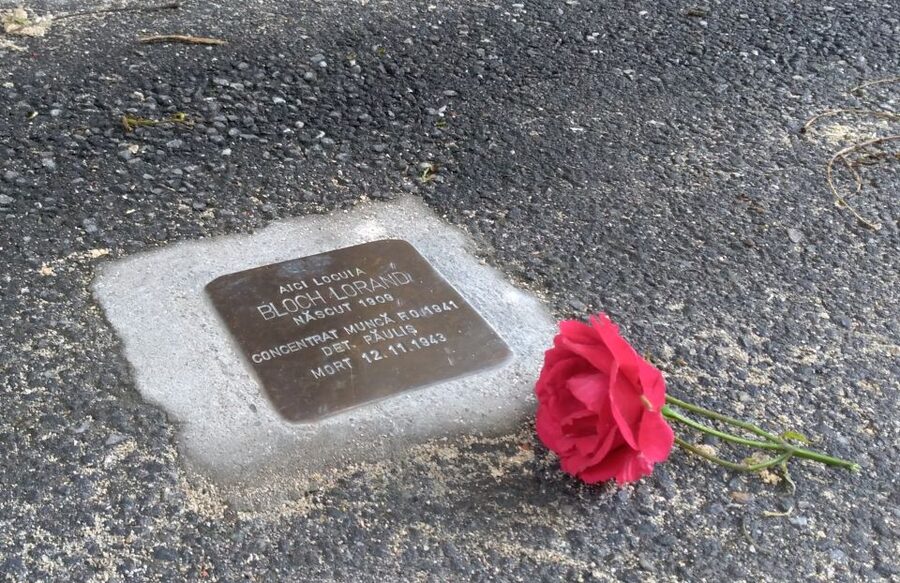
Timisoara’s Jewish story is written into its streets, synagogues, and grand old buildings. This private walk takes you from the compact Jewish Quarter in the center to the Status Quo synagogue in Fabrikstadt, with a solemn stop at Romania’s only Stolperstein, a small memorial to a Holocaust victim.
I like the tour’s clear focus on Jewish life, both past and present, and I like that it connects religious buildings with the wider city. You also get an experienced local guide rather than a fixed audio script. The main consideration is that the tour lasts 2.5 hours and admission tickets are not included, while a visit to the Jewish cemetery depends on availability.
Key points to know before you book
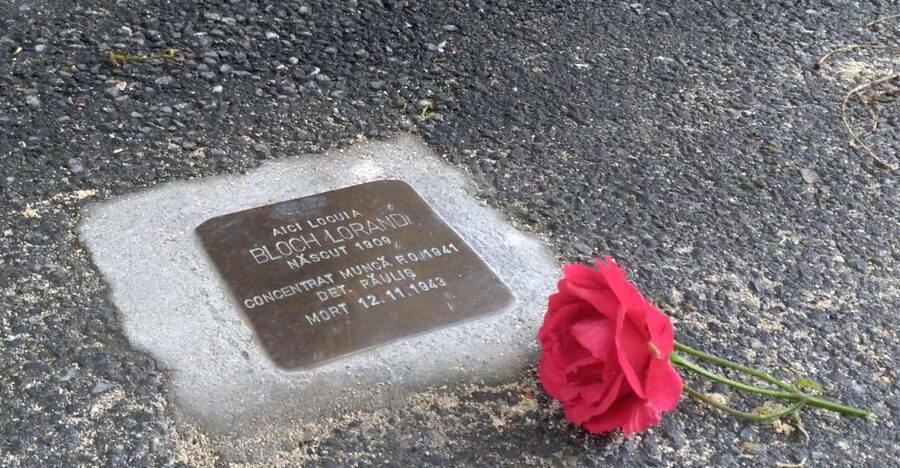
- Romania’s only Stolperstein: See the small memorial stone engraved with a Holocaust victim’s name and life dates.
- Two important synagogues: Visit the Moorish synagogue in the center and learn about the Status Quo synagogue in Fabrikstadt.
- Jewish influence beyond worship: Discover Timisoara buildings financed and designed by Jewish townsmen.
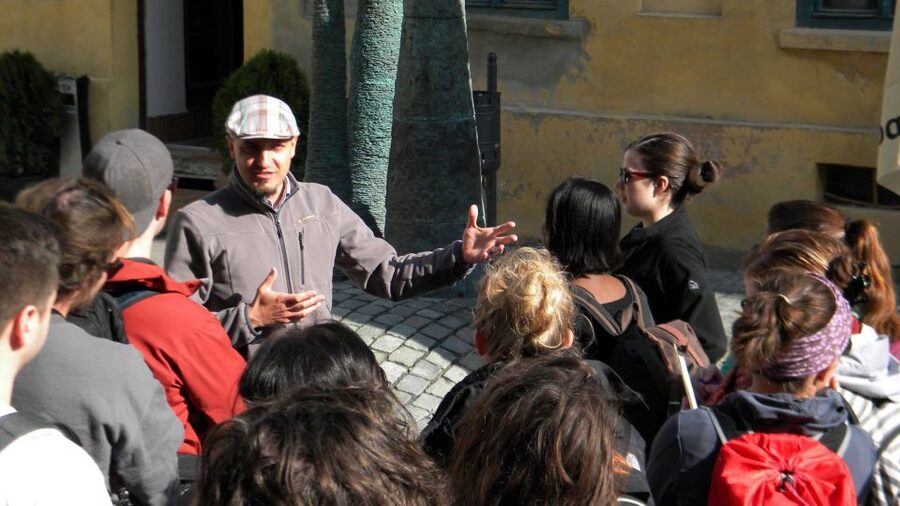
- Private walking format: Your group has a live guide in English or Romanian, rather than joining a large shared group.
- Cemetery visit is possible but uncertain: Ask about the Jewish cemetery at the end, but do not count on entering it.
- A focused city walk: The tour links Jewish history with Timisoara’s architecture and urban story.
Starting at Strada Alba Iulia 2
You meet your guide in front of the Tourist Information Center at Strada Alba Iulia 2, Timișoara 300077. This central meeting point makes sense for a walking tour because the experience begins in the heart of the city rather than at a distant attraction.
The tour takes 2.5 hours, so wear comfortable shoes. You will be on foot throughout the experience, and the route includes several neighborhoods and architectural stops. The exact starting time depends on availability, so check the schedule before booking.
The group is private, which is useful if you want to ask questions about family history, religious customs, local architecture, or the city’s Jewish community. It also gives the guide more room to adjust the pace. You are not simply moving from one photo stop to the next.
The tour is offered in English or Romanian. Since no individual guide names are provided, you should not expect to request a particular guide unless Timisoara City Tours confirms that option directly.
Other guided walks around Timisoara:
- Timisoara All in One – Walking and Tram Tour
★ 5.0 · 72 reviews - Timisoara: Guided Walking Tour
★ 4.9 · 38 reviews - Timișoara Highlights – Walking Tour
★ 5.0 · 28 reviews
Finding Timisoara’s small Jewish Quarter
The first part of the walk introduces the Jewish Quarter in the city center. It is described as small, so do not expect a large district with a continuous row of Jewish institutions. Its value is in the concentration of places and stories that help you read the city differently.
A good guide can show you how Jewish life was tied to the wider city rather than kept apart from it. The Jewish community shaped commerce, public life, design, and construction. That matters because the tour is not only about religious buildings. It asks you to notice the people behind Timisoara’s grand streets and façades.
You will learn about past and current events affecting the Jewish community in Romania, with special attention to Timisoara. The subject is serious, but the walking format keeps it grounded in real places. Instead of receiving a long general lecture about Romanian Jewish history, you can connect each part of the story to a building or street.
This is one of the tour’s strongest features. Architecture becomes evidence, not just decoration. A handsome building may also point to the role Jewish townsmen played in financing or designing Timisoara’s urban fabric.
Seeing the Moorish synagogue in the city center
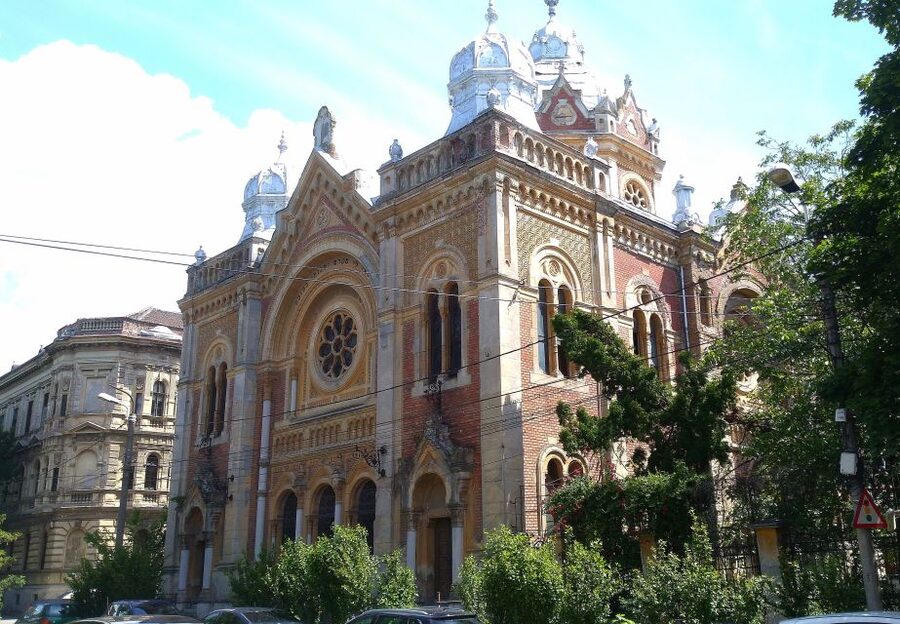
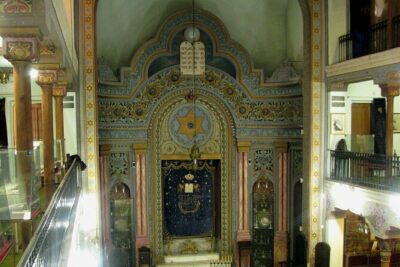
One of the central stops is Timisoara’s beautiful Moorish synagogue. Its style gives the tour a visual lift, but the guide’s explanation is what turns the building into more than a quick photograph.
You can expect to learn about the synagogue’s architecture and its place within the local Jewish community. The supplied details do not confirm interior access, so plan on seeing the building from the outside unless the guide or operator tells you that entry is available. This matters because attraction admission is not included in the $70 tour price.
The synagogue is especially useful for visitors who want to understand how identity can appear in a city’s architecture. A Moorish design in Timisoara raises questions about taste, cultural connections, and the way communities expressed themselves in public space. Your guide can provide the local context that a short visit alone cannot.
Do not judge this stop only by its size or by the possibility that the doors may be closed. The point is to understand why the building was created, how it relates to the community, and what it tells you about Timisoara at the time.
Comparing it with the Status Quo synagogue
The tour later reaches the Status Quo synagogue in the Fabrikstadt neighborhood. This gives you a useful contrast with the Moorish synagogue in the center. You are not seeing one isolated monument. You are following the story of Jewish institutions across different parts of Timisoara.
The Status Quo synagogue is described as impressive, with important architecture and a distinct place in the city’s Jewish story. The guide explains the building and the community connected with it. As with the other stops, admission tickets are not part of the tour, so confirm in advance if you hope to enter.
The move to Fabrikstadt also broadens the experience. You see how Jewish history reaches beyond the most photographed central streets. The walk links neighborhoods, buildings, and changes in the city over time.
For me, this is where a private guide earns the fee. A basic city walk might point out a synagogue and give you a date. A focused Jewish heritage tour can explain differences between the buildings, how Jewish communities were organized, and how the city’s development affected them. The exact depth will depend on your guide, but the route gives the discussion a strong structure.
More of the past around Timisoara:
- The Jewish Heritage Tour of Timisoara
★ 5.0 · 9 reviews - Bucharest: 3-Hour Dark History Tour with a Local
★ 4.9 · 301 reviews - Bucharest: Small Group History, Art & Secrets Tour
★ 4.7 · 152 reviews - Guided Walking Tour of Historical Bucharest
★ 5.0 · 84 reviews
Looking beyond synagogues to Jewish builders
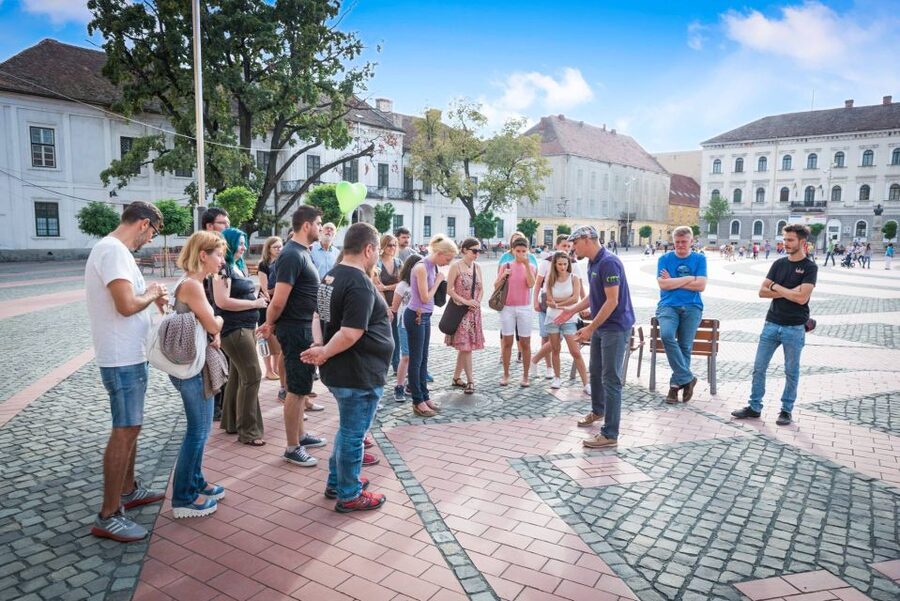
Timisoara’s Jewish influence did not stop at places of worship. The tour points out that a number of the city’s striking buildings were financed and designed by Jewish townsmen.
This is an important part of the experience because it avoids reducing Jewish heritage to loss and persecution. You learn about participation in civic and economic life, as well as the buildings that remain visible today. The city itself becomes part of the story.
You may already have walked past some of these buildings without knowing who helped create them. With a guide, architectural details can take on a second meaning. The walk encourages you to look up, notice façades, and connect private success with public construction.
The information provided does not name each building in advance. If there is a particular structure you want to understand, ask the guide during the walk. A private format should make that sort of question easier than it would be in a large group.
Pausing at Romania’s only Stolperstein
The most solemn stop is the only Stolperstein in Romania. These small stones are made of iron or copper and engraved with the name and life dates of a Holocaust victim. They are set into the pavement, where people encounter them during ordinary daily life.
This memorial is easy to miss without a guide. Its small size is part of its effect. You are not standing before a large monument with a broad inscription. You are looking down at a personal record placed in the street, a reminder of an individual life affected by Nazi crimes during World War II.
The stop also gives the tour a necessary change in tone. Earlier sections focus on community life, architecture, and civic contributions. Here, the guide addresses persecution and murder. You should expect a serious conversation rather than a light sightseeing pause.
The fact that this is the only Stolperstein in Romania makes the stop particularly specific to Timisoara. It is not a generic Holocaust memorial added to the route. It connects a wider European memorial practice with one individual and one place in Romania.
Allow yourself time to listen. The stone may take only a moment to see, but the history behind it deserves more than a quick photograph.
Asking about the Jewish cemetery
At the end of the tour, it may be possible to visit the Jewish cemetery of Timisoara. This depends on availability, and the visit is not guaranteed.
That uncertainty is important when planning your day. Treat the cemetery as a possible addition, not as one of the confirmed core stops. If the cemetery is important to you, ask Timisoara City Tours about current access before booking or at the start of the walk.
The cemetery could add a quieter closing chapter to the tour, especially for visitors interested in names, family history, and the long-term presence of the Jewish community. Still, the supplied information does not promise entry, a specific duration, or a particular set of graves. Keep your expectations flexible.
What $70 means for the experience
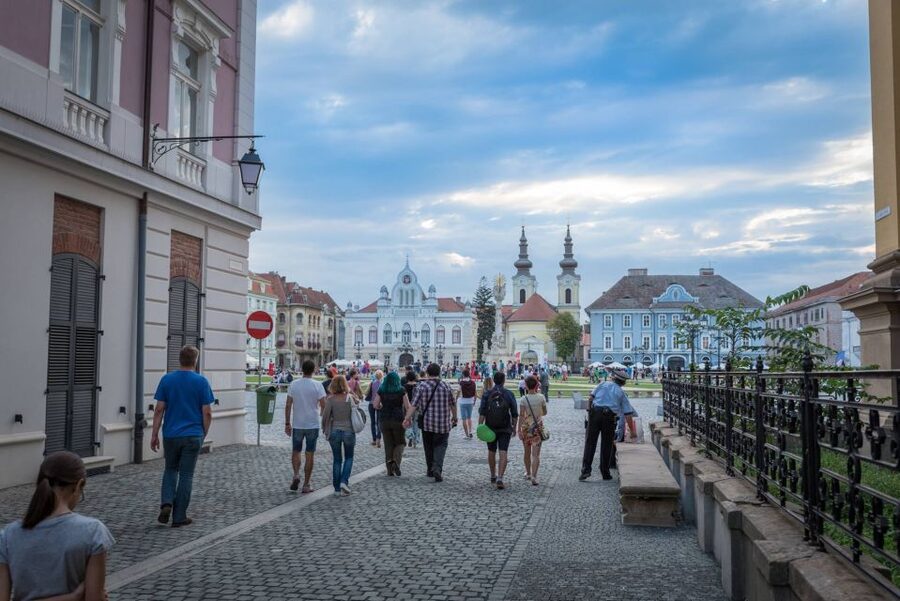
The price is $70 per person. That is not the cheapest way to look around Timisoara, but this is a private, specialist walking tour rather than a general city orientation.
The value depends on how much context you want. If you only need to see the main sights, you may prefer to walk independently and save the money. But if Jewish history is a priority, the cost pays for a focused route, a live guide, and the chance to ask questions as you go.
Private tours are also easier to shape around your interests. You can ask about synagogue architecture, present-day Jewish life, the Stolperstein, or the Jewish townsmen who helped finance and design city buildings. That direct conversation is the main reason to choose this experience over a self-guided walk.
Remember that admission tickets are not included. The supplied details do not list an entrance fee for any specific attraction, and they do not guarantee interior access. Ask what can be entered on your date so you can judge the final cost accurately.
The tour offers free cancellation up to 24 hours before the start time, and you can reserve now and pay later. Those terms are useful if your Timisoara schedule is still shifting.
Who will get the most from this walk
This tour suits you best if you have a strong interest in Jewish history, religious architecture, Holocaust remembrance, or the way communities shape a city. It also works well if you have already seen Timisoara’s main center and want a more focused subject.
It is a good choice for families exploring Jewish roots, though the subject matter around the Holocaust is serious and may not suit very young children. The private format lets you decide how much to ask and how long to pause at difficult sites.
Architecture fans should also consider it. The two synagogues give the walk a clear visual focus, while the buildings financed and designed by Jewish townsmen widen the subject beyond religious landmarks.
You may want a different tour if you prefer a relaxed café-and-square stroll with little historical detail. This experience asks you to pay attention, listen, and walk for two and a half hours. It is rewarding for curious visitors, but it is not simply a sightseeing loop.
Practical advice for a respectful visit
Wear comfortable shoes and dress in a way that feels appropriate for religious and memorial sites. The walking time is moderate, but the route includes more than one neighborhood and may involve standing while the guide explains buildings.
Bring questions. Ask how the Jewish community changed over time, what happened to the synagogues, and which local buildings were funded or designed by Jewish residents. The tour’s value grows when you connect the visible city with the people behind it.
Approach the Stolperstein with care. It is a memorial to a Holocaust victim, not merely an unusual pavement detail. Listen to the explanation and avoid treating the stop as a rushed photo opportunity.
If visiting the Jewish cemetery matters to you, raise the subject early. Since access depends on availability, you will have a clearer sense of what can happen at the end of your walk.
Should you book the Timisoara Jewish Heritage Walking Tour?
Book it if you want a private, focused introduction to Jewish Timisoara rather than a broad overview of the city. The combination of the small Jewish Quarter, the Moorish synagogue, the Status Quo synagogue in Fabrikstadt, Jewish-designed buildings, and Romania’s only Stolperstein gives the walk a strong and varied route.
The $70 price makes the most sense when you value personal guidance and questions. It is less appealing if you mainly want exterior photographs or are trying to keep sightseeing costs low. Also remember that synagogue entry and the cemetery visit are not guaranteed.
For visitors who care about the city’s Jewish past and present, this is a worthwhile way to see Timisoara with more purpose. The tour does not just point out old buildings. It helps you connect community life, architecture, memory, and loss in the streets you are walking through.
FAQ
Where does the Timisoara Jewish Heritage Walking Tour meet?
Meet your guide in front of the Tourist Information Center at Strada Alba Iulia 2, Timișoara 300077.
How long does the tour last?
The walking tour lasts 2.5 hours.
What languages are available?
The live guide is available in English or Romanian.
Is this a private tour?
Yes. The tour is offered for a private group.
What places are included on the route?
The route includes Timisoara’s small Jewish Quarter in the city center, the Moorish synagogue, the Status Quo synagogue in the Fabrikstadt neighborhood, Jewish-related city buildings, and Romania’s only Stolperstein.
Is the Jewish cemetery included?
A visit may be possible at the end of the tour, depending on availability. It is not guaranteed.
Are attraction admission tickets included?
No. Admission tickets to attractions are not included.
What should I bring?
Bring comfortable shoes for the walking route.
Can I cancel for a full refund?
Yes. You can cancel up to 24 hours in advance for a full refund. You can also reserve now and pay later.
Just added around Timisoara
- Timisoara Downtown Dream Tour★ 5.0 · 5 reviews
- The Jewish Heritage Tour of Timisoara★ 5.0 · 9 reviews
- The Grand Tour of Communist Ages at Timisoara★ 5.0 · 17 reviews
- Bite your way through Timisoara – Timisoara’s Street Food Tour★ 5.0 · 14 reviews
- Ecumenical Tour of Timisoara★ 5.0 · 15 reviews
- Nera Gorge National Park – Private Day Tour from Timisoara★ 4.5 · 4 reviews
- One Day in Transylvania – Departure from Timisoara★ 5.0 · 16 reviews
- Day Trip to Turda Salt Mine and Corvin Castle from Timisoara★ 5.0 · 10 reviews
Historical Tours, compared.


Bucharest Jewish Heritage | Holocaust Memorial | Private Car Tour
Read our review →
Private Bucharest: History & Food with Traditional Meal
Read our review →

Discover Romania’s Wine Heritage in Brasov’s Historic Center
Read our review →Browse the lists this tour appears in