
Reviewed · TOURS IN TIMIȘOARA
Timisoara Dream Tour in Elisabetin Neighborhood
Elisabetin is the kind of Timișoara neighborhood you can easily miss if you stick to the grand central squares. This 2.5-hour walk takes you through quiet streets lined with Secession-style buildings, small squares, churches, and stories from the 1890s through the 1989 Revolution. I like the way the route links architecture to local life instead of treating old buildings as decoration. I also like the clear shape of the walk, from Mocioni Square to Bălcescu Square, with about 20 minutes devoted to each main stop.
The main consideration is that this is an outdoor walking tour in all weather, and large bags are not allowed. The $30 price is fair if you want context and a guide’s explanations, but it is less appealing if you prefer to wander quietly at your own pace or already know Timișoara’s architectural story.
Key points to know before you book
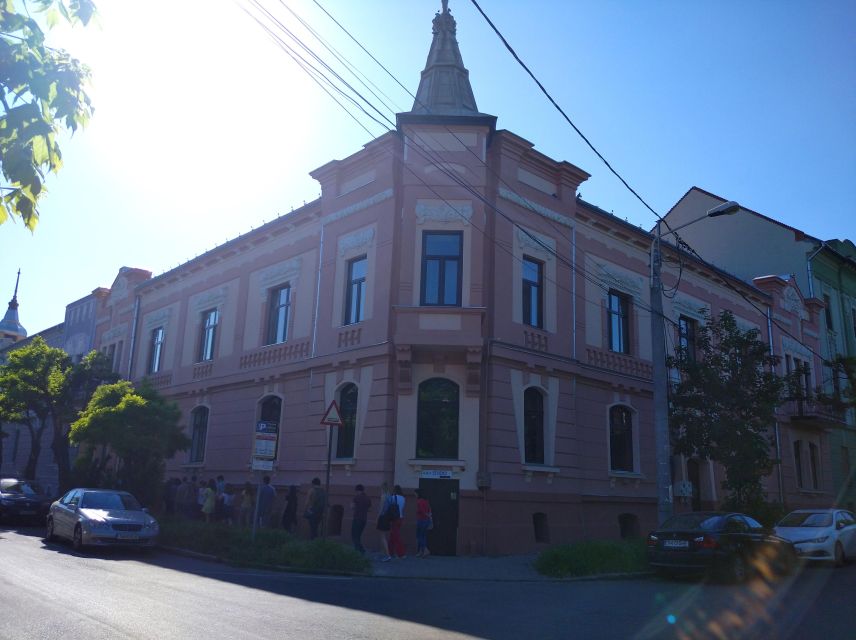
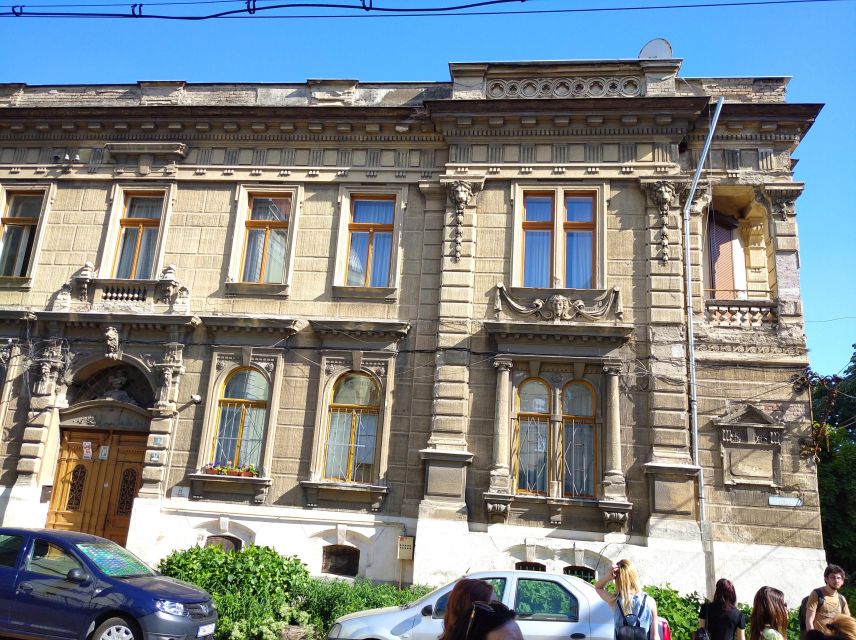
- Art Nouveau and Secession buildings: See the decorated facades of Elisabetin, especially around Plevnei Square and along Gheorghe Doja Street.
- A direct link to the 1989 Revolution: Maria Square, near the Protestant church, marks the area where the Romanian Revolution began.
- A neighborhood walk, not just a monument tour: The route focuses on residential streets, public squares, churches, and the way people lived in Elisabetin around 130 years ago.
- Seven main stops in 2.5 hours: The tour moves from Mocioni Square through Maria Square, Plevnei Square, Carmen Sylva Park, Mihai Viteazu Boulevard, and Bălcescu Square.
- Three language choices: You can take the tour in Romanian, English, or French.
- Simple meeting-point clue: Your guide wears a red coat, making the group easier to spot at Mocioni Square.
Why Elisabetin makes a good walking-tour subject
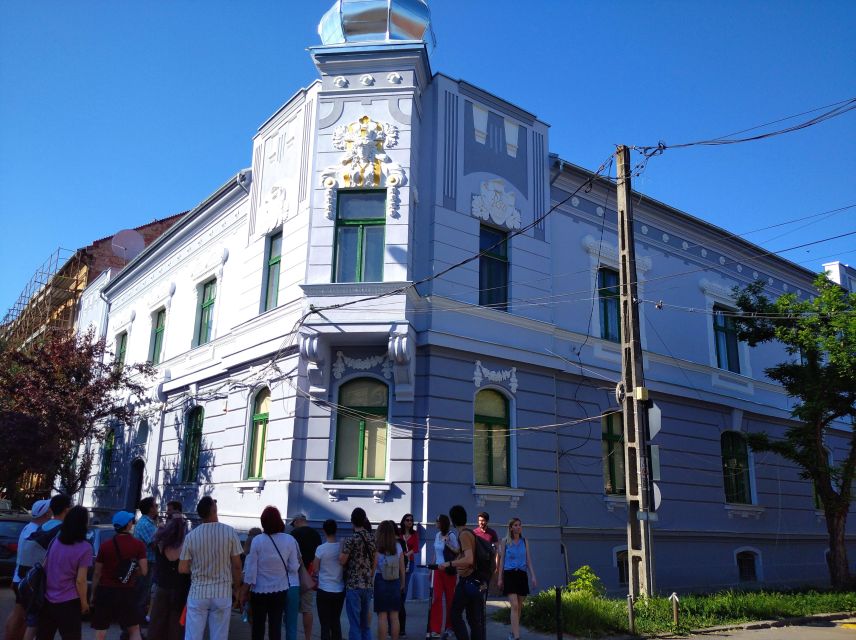
Timișoara is often introduced through its central squares and grand Baroque buildings. Elisabetin offers a different look at the city. It is a residential district with a quieter rhythm, where decorated apartment buildings, churches, parks, and broad streets reveal how Timișoara grew at the end of the 19th century.
I like this setting for a walking tour because the buildings are not isolated museum pieces. You see them along ordinary streets and around working squares. That gives the architecture some meaning. The Secession style, a Central European form of Art Nouveau, appears in facades and decorative details rather than in one large landmark.
The tour also adds political history. Maria Square is connected with the beginning of the Romanian Revolution in 1989, so the walk moves between two very different periods: the urban life of the late 1800s and the events that ended communist rule almost a century later. That contrast gives the route more weight than a simple architecture stroll.
The guide’s role matters here. The buildings may catch your eye, but local stories help you notice why a square, church, or street matters. Two recent ratings gave the experience a full five out of five, with particular praise for the guide’s command of town history and the way the explanations made the district more meaningful. The overall rating is also five out of five from three reviews.
Other days travellers book out of Timisoara:
- The Classic Tour of Timisoara
★ 5.0 · 154 reviews - Weekly Guided Tour in English – Tuesday, Thursday, Saturday
★ 5.0 · 84 reviews - Timisoara All in One – Walking and Tram Tour
★ 5.0 · 72 reviews
Starting at Mocioni Square
The meeting point is Mocioni Square, also called Piața Alexandru Mocioni. Your guide wears a red coat, which is the practical detail to remember when you arrive. The square begins the tour with a useful sense of place before you move deeper into Elisabetin.
The first guided portion lasts about 20 minutes. Expect the guide to set up the neighborhood’s story and explain how this part of Timișoara fits into the wider city. Because the route is built around a series of squares and streets, this opening helps you understand the direction of the walk.
Mocioni Square is also a good place to arrive a little early. The tour does not include food or drinks, and the route has no stated refreshment stop. Have water with you if you need it, but keep in mind that large bags are not permitted.
Maria Square and the beginning of the Revolution
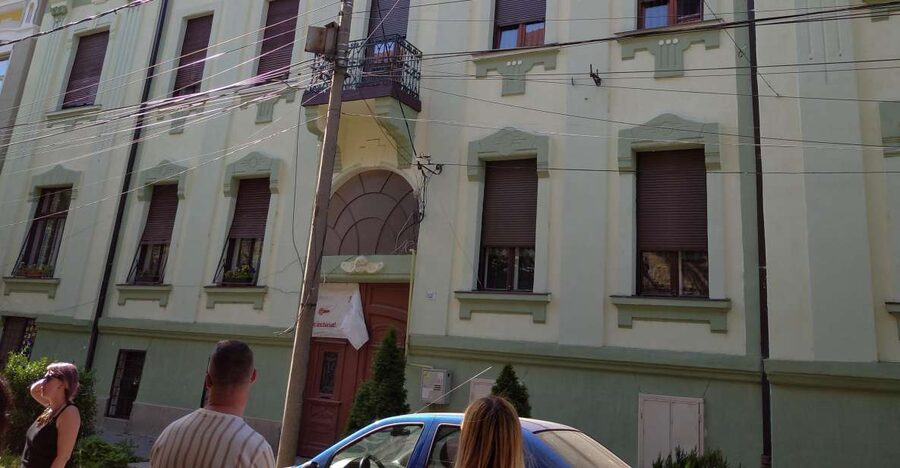
From Mocioni Square, the route continues to Maria Square, or Piața Sfânta Maria. This stop receives another 20 minutes, and it is one of the most important points on the tour because it connects Elisabetin with Romania’s 1989 Revolution.
The Revolution began near the Protestant church in this area. The guide explains the events and the local setting, giving you a place-based account rather than a broad political lecture detached from the street beneath your feet.
I find this kind of stop especially useful because it helps you read the city as a record of recent events. Maria Square is not only an attractive public space. It is also tied to a major turning point in modern Romanian history. If you have only a short time in Timișoara, this connection gives the neighborhood extra importance.
The square also introduces the human side of Elisabetin. The tour covers neighborhood life around the end of the 19th century, so you hear about the people and daily setting behind the facades. The supplied information does not specify the exact stories or names that each guide tells, so you should expect a local account rather than a fixed script described in detail here.
Plevnei Square and the Doja statue
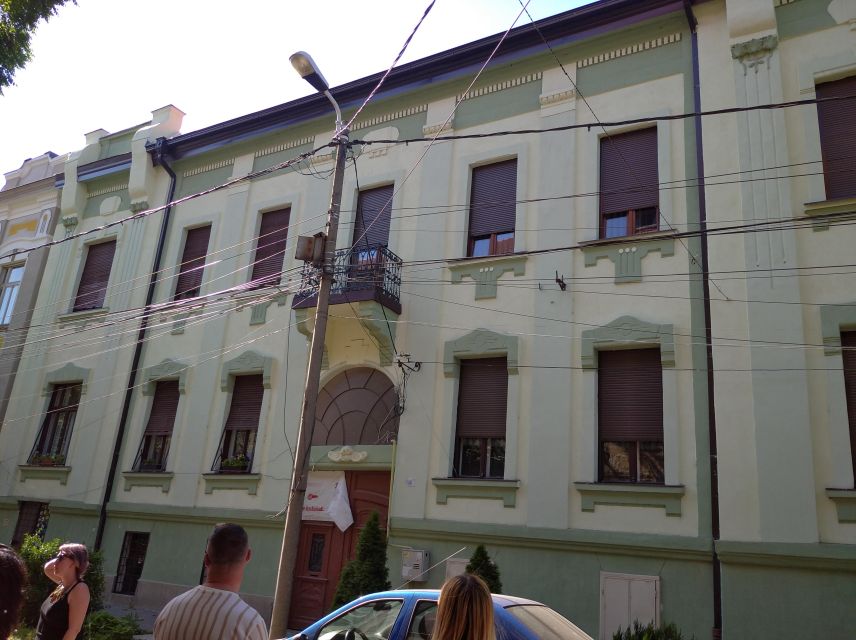
Plevnei Square is the next major stop, with about 20 minutes for a guided look. This is one of the strongest parts of the route for architecture. Buildings around the square carry Art Nouveau and Secession decoration, giving you a chance to compare facades in a compact area.
A statue of Gheorghe Doja occupies the middle of the square. The statue adds a public monument to the architectural setting, and the guide can place it within the story of the area. You are not simply looking up at ornamented buildings. You are also considering how monuments and public spaces express civic memory.
Plevnei Square should appeal to you if you enjoy details that are easy to miss from a passing tram or car. Look for the shapes, decoration, and differences between buildings as you walk. The tour is designed to point out these features, which is where paying $30 can make sense. A guide can direct your attention to details you might otherwise pass without noticing.
The trade-off is pace. Twenty minutes is enough for an introduction, but not enough to study every facade at length. If you are an architecture enthusiast who wants extensive photography time, you may wish the group moved more slowly. For most people, the scheduled stop gives a useful overview without turning the walk into a technical seminar.
Same base, a completely different day:
- Timisoara: Guided Walking Tour
★ 4.9 · 38 reviews - Day trip to Corvin Castle and Sibiu (and back) from Timisoara
★ 5.0 · 30 reviews - Timișoara Highlights – Walking Tour
★ 5.0 · 28 reviews - Danube Gorge & Banat Waterfalls
★ 5.0 · 27 reviews
Gheorghe Doja Street and the residential character of Elisabetin
The route then follows Gheorghe Doja Street, another 20-minute guided section. This is where the character of Elisabetin becomes clearer. Instead of focusing only on squares, you see how the district’s architecture continues along a main street.
The tour description points to several interesting buildings here, but it does not name them individually. That is worth keeping in mind. You will receive commentary about the buildings along the street, but you should not expect a printed checklist of every facade.
I like this part of the walk because streets tell you more about a neighborhood than one carefully framed monument. You can see how the district connects its public spaces and residential buildings. The quiet, refined character of Elisabetin comes through in the combination of decorated structures and ordinary urban movement.
The walk also gives the guide room to explain how the district developed around the end of the 19th century. You get a sense of the neighborhood as a place where people lived, moved, worshipped, and gathered, not simply as a collection of old exteriors.
Carmen Sylva Park and Laszlo Szekely
Carmen Sylva Park provides a change of pace. After the streets and squares, you reach a green public space with a newly built Greek Catholic church. The park section lasts roughly 20 minutes.
Another focal point here is the statue of Laszlo Szekely, the chief architect associated with the creation of modern Timișoara. His presence adds an important architectural thread to the tour. By this point, you have already seen the district’s buildings, and the statue gives you a person to connect with the city’s design and development.
This is also a useful pause in the route. The itinerary remains a walking tour, but moving through a park breaks up the succession of facades. If the weather is poor, the park may feel less comfortable, since the tour operates rain or shine. Wear shoes and clothing suited to outdoor walking rather than treating this as an indoor sightseeing activity.
The Greek Catholic church is another reminder that Elisabetin’s identity is tied to more than one period. The tour includes both older urban fabric and newer religious construction, allowing you to see the neighborhood as a living part of Timișoara rather than a preserved stage set.
Mihai Viteazu Boulevard and the Faculty of Mechanics
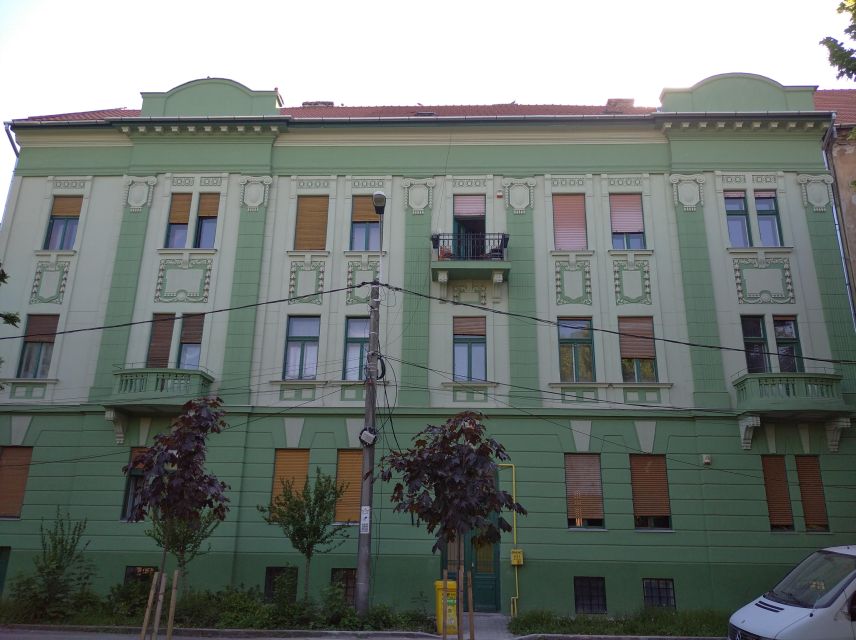
The route continues along Mihai Viteazu Boulevard, where the focus returns to representative buildings. The Faculty of Mechanics is specifically included, making this stop useful for anyone interested in the city’s educational and institutional architecture.
This section lasts about 20 minutes. The boulevard gives you another view of how Elisabetin is organized, with larger public buildings appearing alongside the neighborhood’s residential architecture.
The tour also includes representative buildings on Mihai Viteazu Street and part of Tudor Vladimirescu Street. Since the route covers only part of Tudor Vladimirescu Street, you should think of this as a selected introduction rather than a full survey of every street in the district.
The benefit of a guided route here is focus. A local guide can explain why a particular building matters and connect it to the city’s wider development. The limitation is that the tour has a set schedule, so you may not be able to stop for long at every building that catches your eye.
Bălcescu Square and the Catholic church
The final major stop is Bălcescu Square, also known as Piața Nicolae Bălcescu. The tour ends here after roughly 20 minutes of guided time.
The square is home to a notable Catholic church and the building of a monastery. These religious structures give the last part of the tour a strong visual finish. They also continue the route’s attention to the different communities and institutions that shaped Elisabetin.
By ending in Bălcescu Square, the tour closes with another public space rather than returning to its starting point. That matters for planning. You will need to make your own way onward from the square, but finishing here also puts you in a new part of the neighborhood instead of retracing your steps.
The ending includes additional representative buildings on Mihai Viteazu Street and part of Tudor Vladimirescu Street. If you want to continue exploring, this is a sensible place to keep walking independently, though the tour itself does not provide a separate extension or food stop.
What the $30 price gets you
At $30 per person, this is a mid-priced walking experience for a 2.5-hour route. The price includes the live guide and flyers with useful information. Food and drinks are not included.
I see the value in the guide’s coverage. You are paying for a structured route through a district that is easy to overlook, plus explanations of architectural style, neighborhood life, the 1989 Revolution, churches, and key local figures. That is a broad mix for one afternoon.
The value is strongest if you want help reading buildings and understanding why places matter. It is weaker if your goal is simply to photograph Art Nouveau facades. You can walk through a neighborhood without paying, but you will not necessarily know which buildings or events deserve your attention.
The tour’s perfect five-star rating from three reviews supports the idea that the guide is its main strength. Specific praise focuses on the guide’s ability to explain the town and make the experience more meaningful. Since no guide’s name is provided, you cannot choose a particular person when booking, but the available languages are Romanian, English, and French.
Timing, weather, and practical preparation
The advertised duration is 2.5 hours. The itinerary gives about 20 minutes to each of seven main stops, which totals around 140 minutes before accounting for the walking between locations. That makes the schedule easy to understand and reasonably focused.
This is not a stop-and-start bus excursion. You walk from square to street, from park to boulevard, and then to the final square. Choose comfortable footwear and dress for conditions. The tour goes ahead rain or shine, so a wet forecast should not come as a surprise.
Large bags and luggage are not allowed. Keep your belongings light and manageable. The meeting point is Mocioni Square, and the guide wears a red coat.
You can cancel up to 24 hours in advance for a full refund. You can also reserve now and pay later, which is useful if your Timișoara plans are still changing. Starting times depend on availability, so check the available time before you commit to the rest of your day.
Who will enjoy this Elisabetin walk
I would choose this tour if you like architecture but want more than a list of styles. The route gives you Art Nouveau and Secession buildings, but it also adds churches, public monuments, the Faculty of Mechanics, parks, and political history.
It suits first-time visitors who have already seen central Timișoara and want a less obvious district. It also works for anyone who enjoys hearing how local streets connect to major events, especially the 1989 Revolution.
The tour may be less suitable if you want a private, slow photography walk. The seven-stop structure keeps the group moving, and the 2.5-hour schedule leaves limited time for independent exploration. It is also not ideal if you are carrying luggage, since large bags are not permitted.
Families and mixed-age groups may appreciate the clear route and short sections, but the available information does not specify accessibility arrangements. If mobility or seating needs are important to you, ask the provider before booking.
Should you book the Timisoara Dream Tour?
Book it if you want to understand Elisabetin rather than simply pass through it. The combination of Secession architecture, Maria Square and the 1989 Revolution, Carmen Sylva Park, Laszlo Szekely, religious buildings, and neighborhood stories gives the walk a strong sense of place.
At $30, the experience is a good buy for a first visit, especially if you value a local guide’s explanations. The strongest reason to go is not one single monument. It is the way the route connects many modest sights into a readable story of Timișoara.
Skip it if you dislike walking in uncertain weather, need to carry large luggage, or prefer exploring without a schedule. Otherwise, meet the guide in the red coat at Mocioni Square, bring comfortable shoes, and expect a focused look at one of Timișoara’s most characterful residential districts.
FAQ
Where does the tour start?
The tour starts at Piața Alexandru Mocioni, also called Mocioni Square.
Where does the tour finish?
The tour finishes at Piața Nicolae Bălcescu, also called Bălcescu Square.
How long does the tour last?
The tour lasts 2.5 hours.
What languages are available?
The live tour guide can conduct the tour in Romanian, English, or French.
What are the main places visited?
The route includes Mocioni Square, Maria Square, Plevnei Square, Gheorghe Doja Street, Carmen Sylva Park, Mihai Viteazu Boulevard, and Bălcescu Square.
Is food or drink included?
No. Food and drinks are not included in the tour price.
What happens if it rains?
The tour takes place rain or shine. Dress appropriately for outdoor walking.
Just added around Timisoara
- Timisoara Downtown Dream Tour★ 5.0 · 5 reviews
- The Jewish Heritage Tour of Timisoara★ 5.0 · 9 reviews
- The Grand Tour of Communist Ages at Timisoara★ 5.0 · 17 reviews
- Bite your way through Timisoara – Timisoara’s Street Food Tour★ 5.0 · 14 reviews
- One Day in Transylvania – Departure from Timisoara★ 5.0 · 16 reviews
- Ecumenical Tour of Timisoara★ 5.0 · 15 reviews
- Nera Gorge National Park – Private Day Tour from Timisoara★ 4.5 · 4 reviews
- Day Trip to Turda Salt Mine and Corvin Castle from Timisoara★ 5.0 · 10 reviews
Tours in Timișoara, compared.
Weekly Guided Tour in English – Tuesday, Thursday, Saturday
Read our review →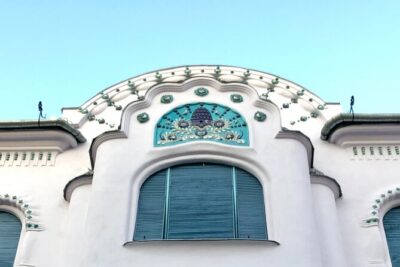

Day trip to Corvin Castle and Sibiu (and back) from Timisoara
Read our review →

Browse the lists this tour appears in