
Reviewed · TRANSYLVANIA DAY TRIPS
Castle Tour of Transylvania
Transylvania’s best-known castles and medieval towns are packed into two long days on this Cluj-Napoca tour. You’ll see Sighișoara’s clock tower, Bran Castle, Peleș Palace, Brașov, and the Saxon village of Viscri, with breakfast, dinner, transport, and several entry fees covered.
I like the convenient hotel pickup and the chance to pair famous sights with smaller historic places, especially Sighișoara and Viscri. I also like that guides such as Andrei, George, and Oliver have been praised for clear explanations and warm service. The drawback is the tight schedule: long drives, weather, and changing castle access can mean less time inside the places you most want to see.
Key points before you book
- Sighișoara gives you Romania’s finest medieval town setting, including the Clock Tower, citadel, fortified towers, and Vlad Dracul’s birthplace.
- Peleș Castle is the artistic highlight, with lavish rooms and a Gustav Klimt fresco.
- Bran Castle is more legend than confirmed Dracula home, but its hilltop setting and Gothic story make it a major stop.
- Kalnoky Castle is available Friday through Sunday only, with Viscri and its UNESCO-listed fortified church replacing it on other days.
- The route covers a lot of ground, so expect substantial driving and a full sightseeing pace.
- The maximum group size is 40, though the exact pickup and group arrangement should be checked before departure.
What $546.72 buys you over two days
At $546.72 per person, this is not a budget day trip. The value rests in how much is bundled into the price: transport from Cluj-Napoca, hotel pickup and return, breakfast, dinner, and admission tickets for the listed paid attractions.
You are also paying for the ability to connect places that are spread across Transylvania and the southern Carpathian region. Reaching Sighișoara, Bran, Sinaia, and Viscri independently would take careful planning, several transport changes, and more than a little patience.
The price makes better sense if you want a ready-made route and a guide who explains the history along the way. It makes less sense if you prefer slow visits, public transport, or choosing your own stops. Two days is enough to sample these places, but not enough to linger everywhere.
The tour is offered in English, and the published maximum is 40 people. That is a fairly large possible group for narrow old-town streets and compact castle rooms. If a smaller or private departure matters to you, ask for confirmation before paying, especially since one family described booking a private tour while also feeling that the schedule did not match its main goal.
Other days across Transylvania from Cluj Napoca:
- Transylvania Gems: Sighisoara, Medias, Biertan & Gypsy life
★ 4.9 · 29 reviews - Transylvania: Dracula’s Castle and Birthplace Tour
★ 4.5 · 28 reviews - Sighisoara and Biertan: UNESCO in Transylvania
★ 5.0 · 27 reviews
Day one begins with Sighișoară’s medieval heart
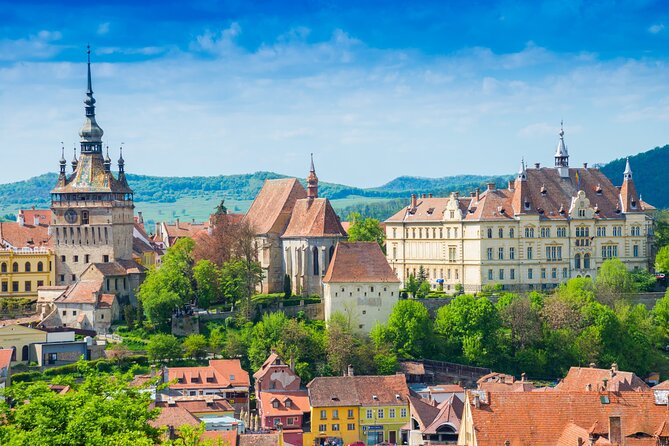
The first major stop is Sighișoara, reached from Cluj after the morning departure. You get about two hours in the historic center, which is the right amount of time for a focused introduction, though not enough for every museum and side street.
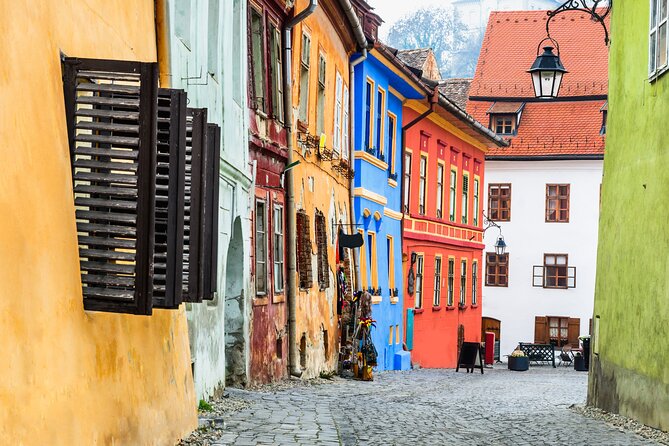
The town’s citadel is its great pleasure. Stone lanes rise toward the Clock Tower, and fortified walls and defensive towers still give the center a clear medieval shape. The town has also been used as a film setting, which is easy to understand once you see its intact appearance.
You’ll visit the Clock Tower, the Church on the Hill, the citadel, and the old walls. You’ll also see the birthplace of Vlad Dracul, the Wallachian ruler whose name later became tied to the Dracula character in Gothic fiction and film.
That last point deserves a little care. Sighișoara connects to the real Vlad Dracul, while Bram Stoker’s Dracula is a literary creation. The tour can help you separate documented Romanian history from the later vampire myth, which is far more useful than treating every Dracula claim as fact.
Two hours here will feel brisk. Keep your walking shoes on, stay aware of the meeting time, and do not spend the whole visit in one shop or café. Sighișoara is one of the places where the town itself matters more than a single attraction.
Brașov brings Gothic stone and a famous church
The Brașov stop lasts about two hours and focuses on historic monuments. The main sight is the Black Church, a fourteenth-century Gothic church and one of the city’s defining buildings.
Inside, the unusual collection of Oriental carpets adds a detail you might not expect in a Protestant church. It gives the visit more character than a quick look at another old European church. The church is not simply a backdrop for photographs, and the guide’s explanations are useful here.
You’ll also have time to see part of Brașov’s historic center. The schedule does not promise a long independent wander, so treat this as an orientation visit rather than a full exploration of the city.
This stop also shows the tour’s central tradeoff. The guide may spend time explaining monuments, local history, and places along the road. That can make the journey more meaningful, but it can also reduce the time available for castle interiors. If your priority is to enter every listed castle, say so clearly at the start.
Bran Castle is the Dracula stop, but keep the legend straight
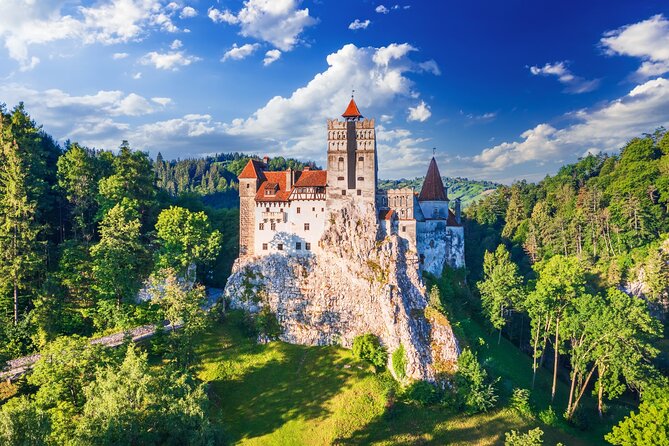
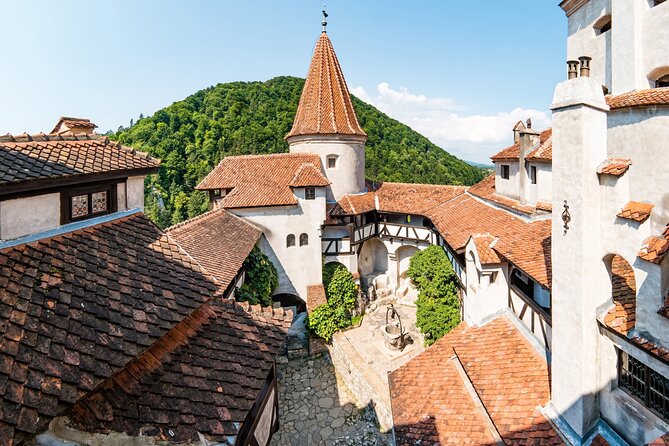
Bran Castle receives about 90 minutes, with admission included. It sits near the former border between Transylvania and Wallachia and was built to protect a major trading route. The castle was later enlarged and restored.
Its Dracula connection is famous, but the details are less tidy than the name suggests. The castle is linked in popular culture with Vlad Țepeș, or Vlad the Impaler, while Bram Stoker’s novel created the fictional Count Dracula that made the site internationally famous. The tour presents both the place and the story that surrounds it.
The setting is part of the appeal. The castle rises above the surrounding area, and one review specifically praised the views from Bran. Inside, you can expect a museum visit rather than a simple abandoned fortress. The rooms and displays help explain the building’s royal and defensive past, though the Dracula branding will be impossible to miss.
Ninety minutes sounds generous, but queues, stairs, and group movement can use much of that time. Keep your expectations sensible. This is a popular attraction, and the stop is designed to give you a strong taste of Bran rather than a scholarly examination of every room.
The first day combines three different kinds of history: a preserved medieval town, an urban Gothic monument, and a castle shaped by both border politics and modern legend. That mix is one of the route’s strongest features.
Same base, a completely different day:
- Curly Tour – Day trip from Cluj 🙂
★ 5.0 · 330 reviews - Cluj: Turda Salt Mine, Corvin Castle, Alba Carolina Tour
★ 4.8 · 184 reviews - Cluj-Napoca: 2.5-Hour Guided Walking Tour
★ 4.8 · 104 reviews - From Cluj: Turda Salt Mine, Gorge, and Remetea Full-Day Trip
★ 5.0 · 84 reviews
Peleș Castle is the second day’s main reward
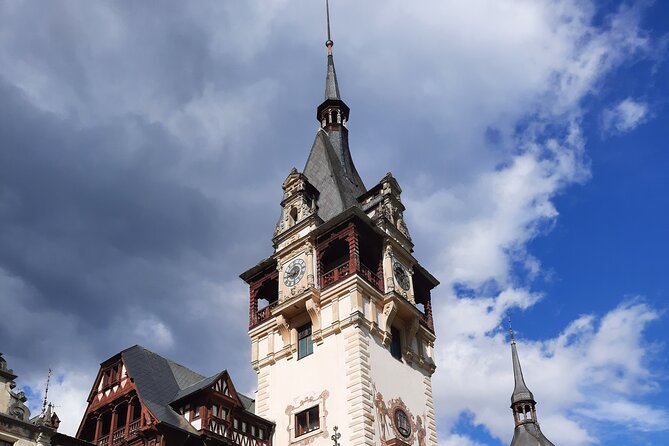
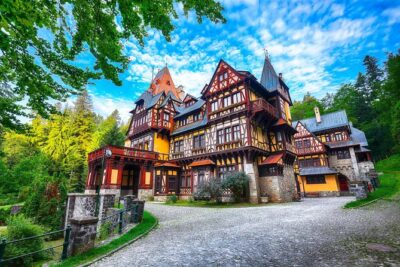
Peleș Palace is scheduled for about 90 minutes, with admission included. It was built in the late nineteenth century as a summer residence for Romania’s royal family and designed to resemble castles from the late Middle Ages.
The building is more palace than fortress. Its rooms are richly furnished, and the interiors are the reason to pay close attention here. A fresco by Gustav Klimt is among the works noted inside, adding a major artistic detail to the visit.
One guide-led experience gave Peleș the highest praise, calling its extraordinary detail the favorite stop. I can understand that choice. Bran carries the Dracula story, but Peleș offers a more refined look at royal taste, decorative arts, and the ambitions of modern Romania’s monarchy.
The time limit is again important. Ninety minutes lets you see the main rooms, but you will want to move at the group’s pace. If Peleș is your main reason for booking, check the opening schedule and the expected visit plan before you go. The supplied details confirm admission, but they do not promise a long free period inside.
Kalnoky Castle or Viscri, depending on the day
The route’s final major section changes according to the day of the week. Kalnoky Castle is open Friday through Sunday. On other days, the tour visits Viscri and its old fortified church instead.
Kalnoky Castle is a seventeenth-century country residence linked to a Hungarian noble family. Its late Renaissance and neo-classical elements, along with a nineteenth-century English-style park, offer a different kind of castle experience from Bran and Peleș. You get about one hour there.
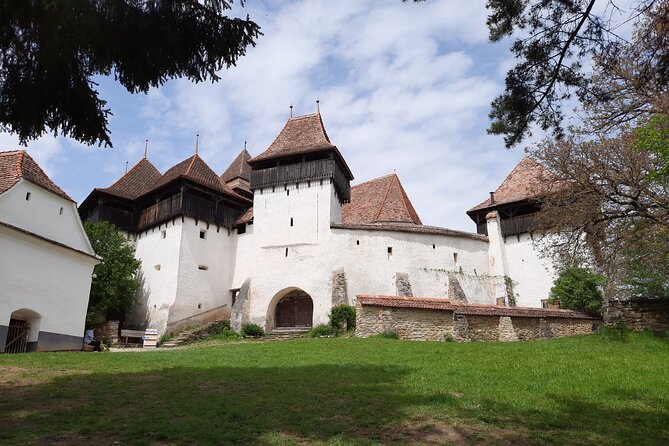
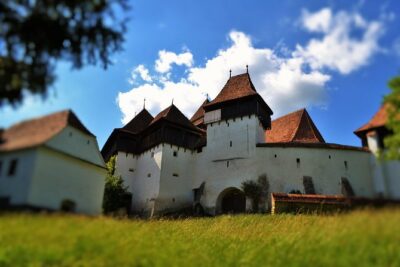
Viscri gives you a more rural and local experience. The Saxon village is described as carefully maintained, with old buildings and a quiet setting away from the main roads. You’ll visit the fortified church, which is UNESCO-listed, and a house belonging to King Charles of Great Britain.
I like this substitution because it keeps the tour from becoming a parade of similar palaces. Viscri shows how a historic community looked and functioned, while the church reflects the defensive needs of Saxon settlements. If your heart is set on three castle interiors, however, the replacement may disappoint.
The schedule also matters because one reported experience missed a planned castle while spending more time at other historic sites. That does not prove every departure will run poorly, but it gives you a practical lesson: confirm the day’s exact route and explain which stops matter most to you.
The reviews also record one substitution for Castle Cantacuzino when Kalnoky was unavailable. The mountain views from Cantacuzino were praised, but this is not part of the stated standard route, so treat it as a possible change rather than a promised stop.
The guide can shape the whole experience
The strongest praise centers on the guides. Andrei was described as enthusiastic and well informed about the sites, roadside landmarks, and Romanian history. George was praised for kindness and education, while Oliver received praise for clear and interesting explanations and for handling the meeting points smoothly.
That matters on a route with long stretches between stops. A good guide turns driving time into context: why Transylvania had different cultural influences, how fortified towns worked, and why Dracula stories became so powerful. You are not just being moved between photo stops.
But guiding style is personal. One family felt that explanations became too long, especially in bad weather, and that more time was spent on historical sites than on the castles it had chosen the tour to see. With a young child, standing in rain while listening to a long talk can be miserable.
You can reduce this risk by stating your priorities early. Tell the guide if castle interiors matter more to you than extended commentary. Also bring layers and rain protection, even if the forecast looks friendly. One family’s six-year-old became very cold during outdoor explanations, and the route includes plenty of time outside.
Transport, meals, and timing
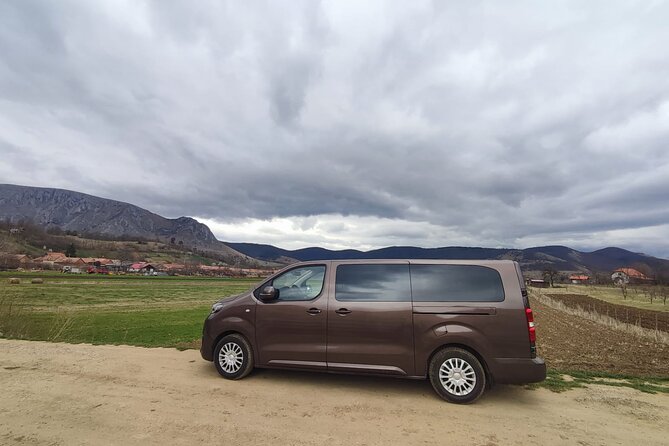
Hotel pickup and drop-off are offered only from hotels within Cluj-Napoca. If you are staying elsewhere, you will use a meeting point, and pickup times along the route are also arranged at meeting points.
The start time is 9:00 a.m., but your exact pickup time is sent the day before. That is useful, though you should keep the morning flexible. The activity ends back at the meeting point after the second day.
Breakfast and dinner feature local cuisine, which adds practical value to a route with limited free time. Lunch is not listed, so plan for that expense unless the operator gives you different instructions. Admission tickets for the stated paid stops are included, helping prevent small entrance fees from piling up.
The tour runs for approximately two days, not two relaxed hotel-based days. You will cover several regions, and the road time is part of the experience. Families with small children should think carefully about the pace, especially if everyone needs regular breaks.
Confirmation normally arrives at booking. If you book within one day of departure, confirmation comes as soon as possible and depends on availability. Free cancellation is available until 24 hours before the start time. After that point, the payment is not refunded, and changes are not accepted.
Who should book this Transylvania route?
I would choose this tour if you have limited time in Romania and want the major Transylvania names handled in one organized trip from Cluj. It suits first-time visitors who value transport, entry tickets, meals, and a guide more than complete control over the schedule.
It also works well for people who want more than Dracula. Sighișoara, Brașov, Peleș, and Viscri give you medieval town life, church art, royal architecture, village traditions, and fortified religious buildings.
I would hesitate if your main goal is to inspect every castle at leisure. The route is ambitious, the group may be large, and the final castle stop changes by day. Weather and guide pacing can also affect the balance between explanations and sightseeing.
Should you book it?
Book this experience if you want a broad, efficient introduction to Transylvania and accept a busy schedule. The strongest reasons are the excellent range of places, included admissions and meals, hotel pickup in Cluj, and guides such as Andrei, George, and Oliver, who bring strong historical context to the drive.
Before booking, confirm the exact departure day, the Kalnoky or Viscri plan, the group setup, and how much time will be spent inside each castle. If you make your priorities clear and pack for changing weather, this can be a rewarding way to connect Transylvania’s famous legends with its real towns, churches, royal homes, and village life.
FAQ
Where does the Castle Tour of Transylvania start?
The tour starts at 9:00 a.m. Pickup is available from individual hotels in Cluj-Napoca. The exact pickup time is sent the day before.
Does the tour return to Cluj-Napoca?
The activity ends back at the meeting point. Hotel drop-off is offered for hotels in Cluj-Napoca.
What language is the tour offered in?
The tour is offered in English.
Are entrance tickets included?
Yes. Admission is included for Sighișoara, Bran Castle, Peleș Castle, and the listed Kalnoky Castle or Viscri visit.
Is food included?
Breakfast and dinner are included and feature local cuisine. Lunch is not listed as included.
Will I visit Kalnoky Castle?
You will visit Kalnoky Castle when it is open, from Friday through Sunday. On other days, the tour visits Viscri and its old fortified church instead.
How large can the group be?
The activity can have a maximum of 40 travelers.
Can I cancel for a refund?
You can cancel at least 24 hours before the experience start time for a full refund. Cancellations or changes made less than 24 hours before the start time are not accepted for a refund.
Just added around Cluj Napoca
- Turda Salt Mine, Gorge & Rimetea Village (private from Cluj)★ 5.0 · 5 reviews
- Private tour to Turda Salt Mine, Rimetea and Alba Iulia★ 4.8 · 5 reviews
- Turda salt mine and Corvin Castle day tour from Cluj★ 5.0 · 9 reviews
- Two days tour to Bucovina & UNESCO Painted Monasteries★ 5.0 · 3 reviews
- Transylvania: Dracula’s Castle and Birthplace Tour★ 4.5 · 28 reviews
- Turda Gorge, salt mine and Rimetea village private tour★ 5.0 · 12 reviews
- Sighisoara, UNESCO & wine tasting (1 day, from Cluj)★ 5.0 · 4 reviews
- Snowshoeing Fun Tour from Cluj Napoca★ 4.5 · 7 reviews
Transylvania Day Trips, compared.
Transylvania and Dracula Castle Full Day Tour from Bucharest
Read our review →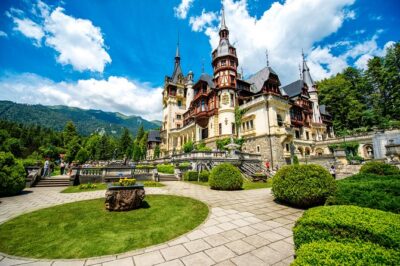
2-Day Medieval Transylvania with Brasov,Sibiu and Sighisoara Tour from Bucharest
Read our review →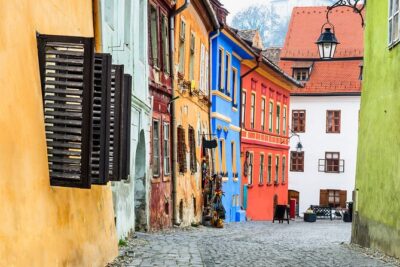
SB01 – City Tour Sibiu: Exploring the Heart of Transylvania
Read our review →
Day trips and excursions in nature, cities in Transylvania, Brasov!
Read our review →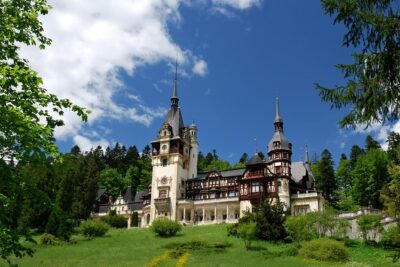
2-Day Transylvania from Bucharest: Brasov, Bran, Sighisoara
Read our review →
4-Day Private Tour in Transylvania from Bucharest
Read our review →Browse the lists this tour appears in