
Reviewed · MARAMUREȘ & MONASTERIES
Two days tour to Maramures: local experiences and culture
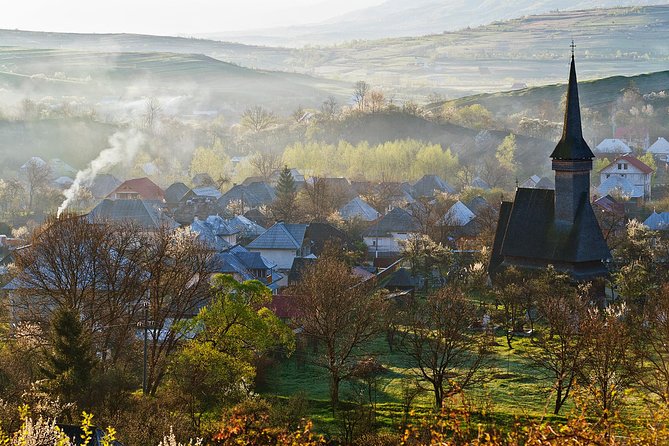
Maramures is the sort of place where a carved wooden gate, a hand-painted grave marker, or a wool rug washed in a stream can tell you more than a museum display. This two-day trip takes you from Cluj-Napoca into Breb and nearby villages, where old customs still shape daily life. You’ll see the Merry Cemetery, UNESCO-listed wooden churches, local workshops, and forests where brown bears roam.
I like the way the tour combines culture with scenery, rather than treating Maramures as a quick photo stop. I also like the private format, which gives your group its own English-speaking guide, with Florin and Ilona Farkas among the guides associated with this experience. The main drawback is the long road journey from Cluj, with only two days to cover a large area.
Key points to know before booking
- Breb is the heart of the first day: You walk through one of Maramures’ most traditional villages, eat a regional lunch, and sleep in a traditional cottage.
- The Merry Cemetery is unusually personal: More than 800 colorful wooden crosses use carved images and short epitaphs to tell stories about the people buried there.
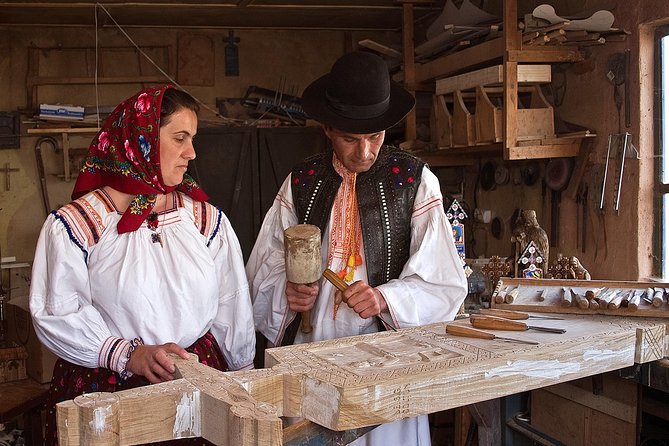
- You see several forms of living craft: Expect wooden gates, wood carving, pottery, and the Valtori whirlpools used to wash heavy wool rugs.
- The churches connect faith and local skill: Barsana and Poienile Izei show the detailed woodworking that earned Maramures international recognition.
- Meals are part of the experience: Breakfast, one traditional lunch, and one traditional dinner are included, while drinks and other extra purchases are not.
- This is a private trip with a flexible feel: Only your group participates, and pickup is offered for the 9 a.m. start from Cluj-Napoca.
Why Maramures works best as an overnight trip
You can visit Maramures on a long day from Cluj-Napoca, but the region makes more sense when you sleep there. The drive is a large part of the experience, and the overnight stay keeps you from reducing the area to a string of roadside photographs.
The tour takes you to Breb on the first day and uses the second day for churches, crafts, the cemetery, and forest scenery. That division gives the village time to breathe. You are not simply stepping off a bus, taking a picture, and rushing away.
Maramures is known for family traditions passed through woodwork, food, farming, and religious life. The tour does not present these customs as frozen folklore. Instead, you see practical objects still tied to local life, including gates, pottery, and large wool rugs washed with water power.
The private setup matters here. In a large group, a quiet village walk can feel like a procession. With only your own group, you can ask your guide about the details that catch your eye. Florin is praised for clear explanations of Romanian history and buildings, while Ilona Farkas is associated with strong knowledge of the area’s cultural and artistic meaning. Guide assignments can vary, so confirm who will lead your departure.
Other monasteries and painted churches from Cluj Napoca:
- Maramures best, full day tour from Cluj
★ 5.0 · 33 reviews - From Cluj-Napoca: Maramures Day Tour
★ 5.0 · 19 reviews - Maramures Activ Tour
★ 5.0 · 6 reviews
Day one: the road from Cluj to Breb
The tour begins at 9 a.m., with pickup offered in Cluj-Napoca. The supplied meeting point is Cluj-Napoca City Hall, though you should confirm the exact pickup arrangement before departure if you are staying elsewhere in the city.
Transportation is provided in a modern vehicle. Even so, this is a road trip, not a compact city excursion. You will spend a good part of the day moving north toward Maramures, so bring water and keep your camera ready for changing views along the route.
The payoff is Breb, one of the region’s most traditional villages. It was first recorded in 1715, and the walking tour focuses on the character of the village rather than a single major monument. You will see the shape of local life through homes, gates, paths, and old building traditions.
A village walk also gives your guide room to explain what you are seeing. Pay attention to the carved woodwork. In Maramures, decoration is not limited to churches or museums. It appears at the entrance to homes and in ordinary objects, giving the village a strong visual identity.
The traditional lunch served in Breb is one of the day’s useful features. It breaks up the drive and gives you a taste of regional cooking in the place you are visiting. Since drinks and unspecified meals are not included, budget separately for beverages and any additional food.
That night, you stay in a traditional cottage or inn. The accommodation is not presented as a luxury hotel, and that is the point. You are choosing local character over a standardized room. One guest specifically found Veronica’s comfortable and praised the food, though the exact lodging may depend on the departure.
Day two: colorful graves and serious craftsmanship
The second day begins with the Merry Cemetery, one of Maramures’ most unusual cultural sights. The cemetery contains more than 800 colorful wooden crosses, each marked by a carved image and an epitaph.
The tradition began with woodcarver Stan Ioan Pătraș in 1935. His approach turned grave markers into short visual biographies. Instead of presenting death only through solemn symbols, the crosses can show a person’s work, habits, or place in village life.
You will want time to read the carvings, not just photograph the colors. The cemetery is especially valuable with a guide who can explain the local references and the way the tradition developed. The one-hour visit is enough for an introduction, though readers who enjoy folk art or social history may wish it lasted longer.
The name can sound lighthearted, but the experience is not simply comic. The crosses reflect a direct village view of life and death. They offer a glimpse into how a community remembers individuals in public, visual form.
Barsana and Poienile Izei: Maramures in wood
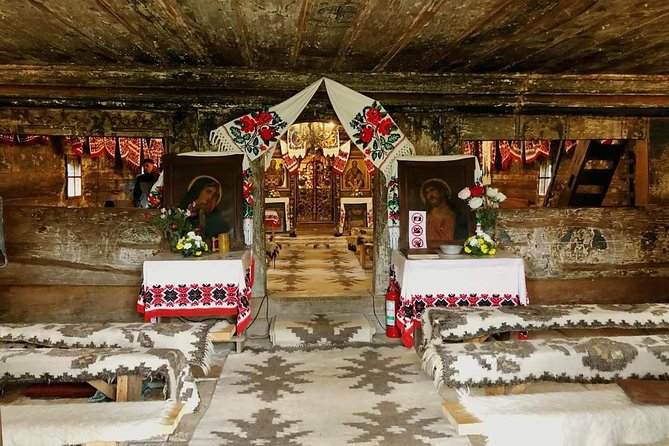
The route then turns to the religious side of the region with visits to wooden churches at Barsana and Poienile Izei. These churches are part of the Wooden Churches of Maramures UNESCO World Heritage Sites.
The buildings show how local craftspeople worked with wood to create places of worship that are both practical and finely decorated. Look at the proportions, carved details, and sense of height. The churches are not grand because of marble or large stone construction. Their power comes from skilled carpentry and the care put into every element.
Barsana is also connected with a monastery complex, making it one of the better-known religious stops in the area. The tour describes these churches as gifts of gratitude to God, which helps explain why so much effort went into their construction and decoration.
Poienile Izei adds another example of the regional style. Visiting both is worthwhile because you can compare their details rather than treating one building as a complete picture of Maramures church design.
The one-hour timing listed for this part of the route covers more than a simple church visit. It also includes stops with local craftspeople. Still, the schedule may feel brisk if you want long periods inside each church or extended conversations with artisans.
Other two-day trips from Cluj Napoca:
- Maramures: 2 Days in Rural Romania
★ 5.0 · 5 reviews - From Cluj-Napoca: Two Day Tour to Maramures
★ 5.0 · 5 reviews - Two days tour to Bucovina & UNESCO Painted Monasteries
★ 5.0 · 3 reviews - 2-Day Medieval Transylvania with Brasov,Sibiu and Sighisoara Tour from Bucharest
★ 4.5 · 145 reviews
Local gates, pottery, and the Valtori whirlpools
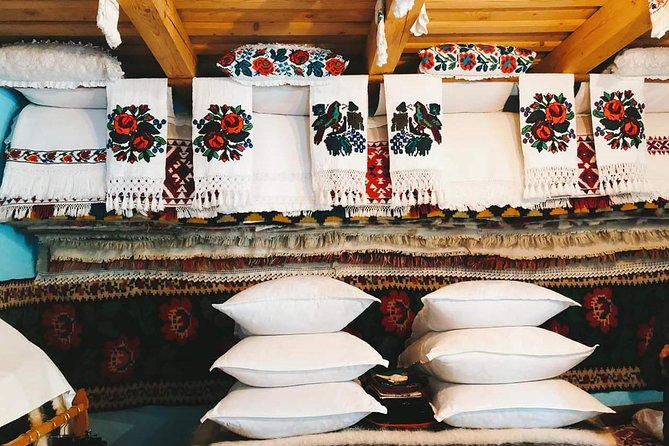
The craft visits bring the tour closer to everyday work. You will see hand-carved wooden gates and pottery, and you may watch local artisans practice their skills.
The gates deserve close attention. They are not merely decorative entrances. They mark the boundary between public road and private home, and their carvings carry local design traditions into ordinary village life. A guide can help explain what the patterns mean and how the gates fit into the region’s customs.
Pottery offers a different view of local skill. Wood dominates the visual identity of Maramures, but clay shows that the region’s craft traditions are broader than carved churches and fences.
The Valtori whirlpools are one of the tour’s most practical stops. These natural washing systems use moving water to clean heavy wool rugs, which would be difficult to handle by hand. Local women still use them, so the site connects old technology with a continuing household task.
I like this stop because it shows ingenuity without turning the past into a display. A whirlpool used for washing is easy to understand: it solves a real problem with local materials and natural force. It is also a reminder that rural technology can be simple without being crude.
The tour identifies the stop as the most ecological washing machine in the area. That is colorful wording, but the basic point is sound: the Valtori system uses the force of running water rather than modern machinery.
Forests, hill villages, and the return to Cluj
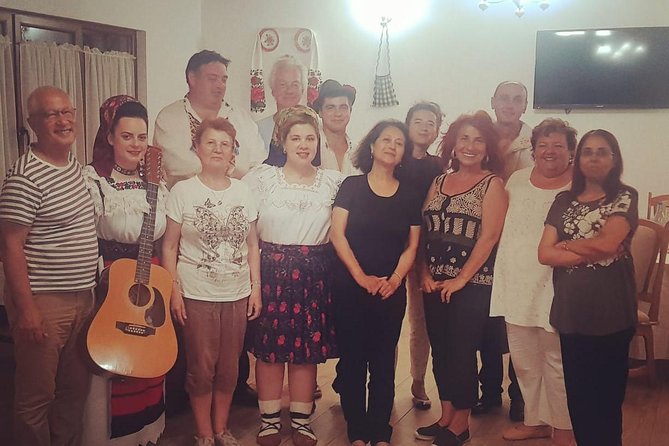
The final part of the trip shifts toward nature. You will pass through forested areas described as among the last virgin forests in Maramures, with more than 10,000 species of animals and plants and brown bears in the wider woodland environment.
Do not expect a wildlife-viewing expedition. The forest stop is about scenery and the feeling of entering a less altered part of the region. Bears are part of the area’s natural life, but there is no promise of seeing one. Stay with your guide and follow any local instructions.
The route also climbs to viewpoints over hill villages. These elevated sections provide some of the trip’s best scenery, with rounded hills, scattered villages, and wooded slopes. The views may remind you of a fantasy film, but the appeal is real and firmly rooted in rural Romania.
This is a good counterweight to the cultural stops. After churches, cemeteries, and workshops, the open views give you a sense of why Maramures developed the traditions you have just seen. Geography helped keep villages distinct, while forests supplied wood for homes, gates, churches, and tools.
The itinerary gives about an hour for the final scenic section before returning to Cluj. That is enough for viewpoints and short stops, but not for a serious hike. If you want long walks in the forest, this tour is not designed for that.
What the $685.67 price means
At $685.67 per person, this is a costly two-day excursion. The price makes more sense if you value a private vehicle, a dedicated English-speaking guide, overnight lodging, and several included meals. You are paying for access to a distant region without having to arrange the route, accommodation, church visits, and village stops yourself.
The tour includes transportation in a modern vehicle, accommodation in a traditional cottage, breakfast, one traditional dinner, and a traditional lunch in Breb. Admission to the listed stops is included, as is the guide.
The cost is harder to justify if you mainly want scenery or a quick look at one wooden church. You could spend less on a basic transport option, but you would give up the private format and the connected cultural program.
Because the price is per person, group size matters. A private trip for one or two people will feel expensive. A small group using the private arrangement may find the cost more reasonable, especially if convenience and local interpretation are priorities.
Budget extra money for beverages, souvenirs, personal calls, travel insurance, and any photography fees. Meals not specifically included are also your responsibility.
Who should book this Maramures tour?
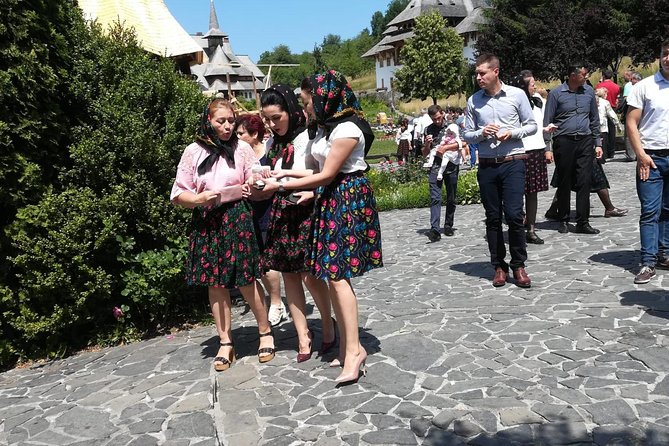
I would recommend it to you if you want Romanian culture presented through real places and working traditions. It suits people who enjoy village walks, folk art, religious architecture, local food, and scenery more than nightlife or polished resort comforts.
It is also a strong choice if you are staying in Cluj-Napoca and do not want to rent a car for a remote two-day route. The guide and vehicle remove much of the planning burden.
You should think twice if you dislike long drives, modest traditional accommodation, or a full schedule. The tour covers several sites in a short time. It is not built around sleeping late or lingering for half a day at one church.
The experience is private, which helps, but private does not mean slow. You still need to cover the distance between Cluj and Maramures and return within two days.
Cancellation terms are strict close to departure. Cancel at least six full days ahead for a full refund. Cancellation two to six days before departure receives a 50 percent refund, while cancellations under two days receive no refund. The local cutoff time applies.
Should you book it?
Book this tour if you want Maramures as a connected cultural experience, not just a collection of scenic stops. Breb, the Merry Cemetery, the wooden churches, the Valtori whirlpools, and the craft visits work well together, and the overnight stay gives the region more substance.
The price is high, but the private guide, transport, lodging, meals, and admission costs add real value. I would choose it for a first visit when time in Romania is limited, especially if you want guidance from someone such as Florin or Ilona Farkas.
Skip it if your priority is hiking, wildlife watching, or a low-cost day out. For everyone else, this is one of the more direct ways to see why Maramures remains one of Romania’s most distinctive regions.
FAQ
Where does the tour begin?
The tour begins in Cluj-Napoca at 9 a.m. The listed meeting point is Cluj-Napoca City Hall, and pickup is offered.
How long does the tour last?
The tour lasts approximately two days and includes one overnight stay in Maramures.
Is the tour private?
Yes. Only your group participates in the private tour or activity.
What type of transportation is provided?
Transportation is provided in a modern vehicle.
Where do you stay overnight?
You stay in a traditional cottage or inn in the Maramures region. One accommodation associated with the experience is Veronica’s.
Which meals are included?
Breakfast, one traditional dinner, and one traditional lunch served in Breb are included. Other meals and beverages are not included unless specified.
Which wooden churches do you visit?
The tour includes visits to the wooden churches of Barsana and Poienile Izei, which are part of the UNESCO-listed Wooden Churches of Maramures.
What is the Merry Cemetery?
The Merry Cemetery is a cemetery with more than 800 colorful wooden crosses featuring carved images and epitaphs. The tradition began with woodcarver Stan Ioan Pătraș in 1935.
Can you cancel for a full refund?
Yes, if you cancel at least six full days before the experience start time. Cancellations two to six full days before departure receive a 50 percent refund, while cancellations less than two full days before departure are not refunded.
Just added around Cluj Napoca
- Turda Salt Mine, Gorge & Rimetea Village (private from Cluj)★ 5.0 · 5 reviews
- Private tour to Turda Salt Mine, Rimetea and Alba Iulia★ 4.8 · 5 reviews
- Turda salt mine and Corvin Castle day tour from Cluj★ 5.0 · 9 reviews
- Two days tour to Bucovina & UNESCO Painted Monasteries★ 5.0 · 3 reviews
- Turda Gorge, salt mine and Rimetea village private tour★ 5.0 · 12 reviews
- Transylvania: Dracula’s Castle and Birthplace Tour★ 4.5 · 28 reviews
- Sighisoara, UNESCO & wine tasting (1 day, from Cluj)★ 5.0 · 4 reviews
- Snowshoeing Fun Tour from Cluj Napoca★ 4.5 · 7 reviews
Maramureș & Monasteries, compared.

3-Castle: Peles,Bran,Rasnov,Sinaia Monastery from Brasov w pickup
Read our review →
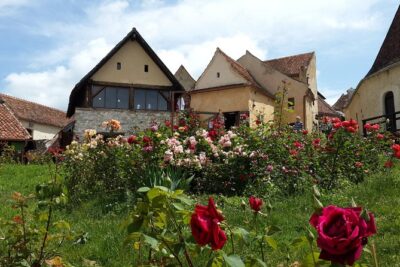
Peles Castle, Bran Castle, Rasnov Fortress and Sinaia Monastery Tour from Brasov
Read our review →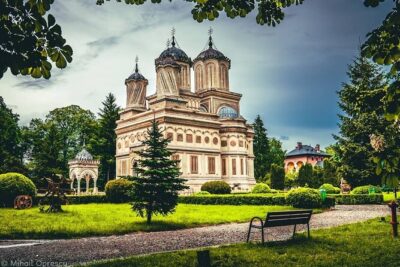
Princely Court of Târgoviște and Curtea de Argeș Monastery
Read our review →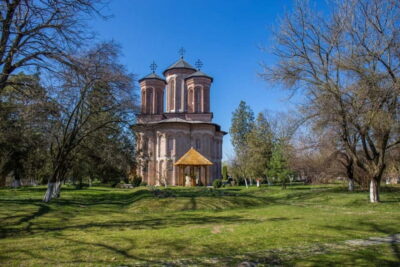
Small Group Tour to Mogosoaia Palace & Snagov Monastery
Read our review →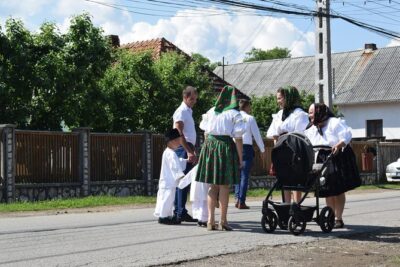
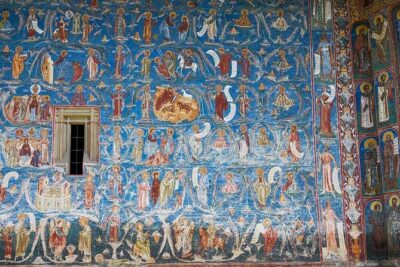
1-Day Bucovina Painted Monasteries tour from Suceava – English
Read our review →
Sacred Monasteries Private Tour: Snagov, Țigănești & Căldărușani
Read our review →Browse the lists this tour appears in