
Reviewed · DRACULA & BRAN CASTLE TOURS
Snagov Monastery, Ceaușescu Mansion, & Village Museum – 6h
The surprise here is Snagov Monastery, a small religious site on an island about 40 minutes from Bucharest. It is associated with Vlad the Impaler, the historical figure behind Dracula, so this private tour quickly moves from village traditions to communist power and medieval legend.
I like the private car and flexible route, which let you spend more time where your interest lies. I also like the sharp contrast between the Village Museum’s modest wooden homes and Ceaușescu’s carefully designed private palace. The main drawback is pace: six hours covers a great deal, and some city stops will be brief.
- Snagov Monastery sits on an island, giving the excursion an unexpected change of scene outside Bucharest.
- Ceaușescu Mansion reveals private life behind a public dictatorship, including the family residence used from 1965 to 1989.
- The Village Museum brings Romanian traditions together, with homes, mills, churches, and farm buildings from across the country.
- Calea Victoriei links royal, communist, religious, and commercial Bucharest in one walk and drive.
- A private multilingual guide and car are included, with fuel, parking, and road tolls covered.
- The price is $254 per person, with entrance fees of about 17 euros per person paid separately.
One morning, three very different Romanias
This is not a single-theme excursion. In roughly six hours, you move between rural customs, royal and communist Bucharest, and the legend of Dracula. That range is the tour’s main strength, but it also explains why the schedule feels full.
The trip begins with pickup in Bucharest. Your guide-driver meets you with a sign showing your last name and stays with you throughout the day. You travel in a private tourism car or minibus, rather than joining a large shared group.
That setup matters. You can ask for extra explanation, adjust the order of stops, or spend less time at a place that does not hold your interest. The advertised flexibility includes changes even after the tour begins, though the total six-hour limit still means you cannot linger everywhere.
The guide can speak Romanian, English, Italian, French, Spanish, or German. No guide’s personal name is supplied, so you should confirm the assigned guide if that matters to you. The available feedback points to a cultured, informative guide, with one visitor especially praising the way the day connected communist buildings, Art Deco and Baroque architecture, the lake, and Dracula’s tomb.
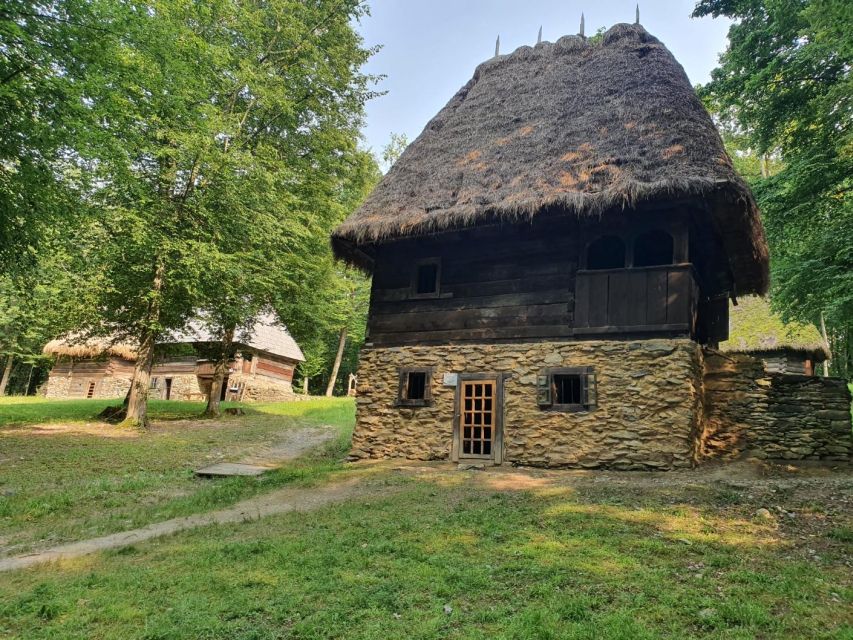
The Village Museum: Romania in one open-air visit
The Dimitrie Gusti National Village Museum is an efficient introduction to Romanian life outside the capital. Instead of visiting one preserved village, you see traditional houses and structures brought together from different parts of the country.
Your guide can point out homes built from wood, adobe, stone, and other local materials. The point is not simply to admire old buildings. These houses show how people used nearby materials, organized family space, and worked with the seasons.
The grounds also include familiar rural symbols such as a mill and wooden churches. They help explain how work, worship, and community life fit together. For a first visit to Romania, this is useful context before you encounter the grand public buildings and political monuments of central Bucharest.
You have about an hour here. That is enough for a guided overview and photographs, but not for a slow examination of every building. If traditional architecture is your main interest, ask your guide to focus on the houses and regions that appeal to you most.
The museum also gives the tour a useful moral contrast. Many of the homes reflect a practical and modest way of living, with close attention to the local setting. Later, at the Ceaușescu Mansion, you see how a ruling family used space, decoration, and privacy to separate itself from ordinary Romanian life.
Other Dracula castle trips in Bucharest:
- Bucharest: Dracula’s Castle, Peles Castle, & Brasov Old Town
★ 4.5 · 17,858 reviews - Bucharest: Dracula Castle, Peles Castle & Brasov Old Town
★ 4.6 · 10,891 reviews - Bucharest: Dracula’s Castle, Peleș Castle & Brașov Day Trip
★ 4.5 · 5,919 reviews
Snagov Monastery and the Dracula connection
From the city, the drive to Snagov takes about 40 minutes. The monastery is on an island, which gives the stop a different feel from Bucharest’s streets and museums. The crossing and setting are part of the appeal, even though the visit itself is planned for about an hour.
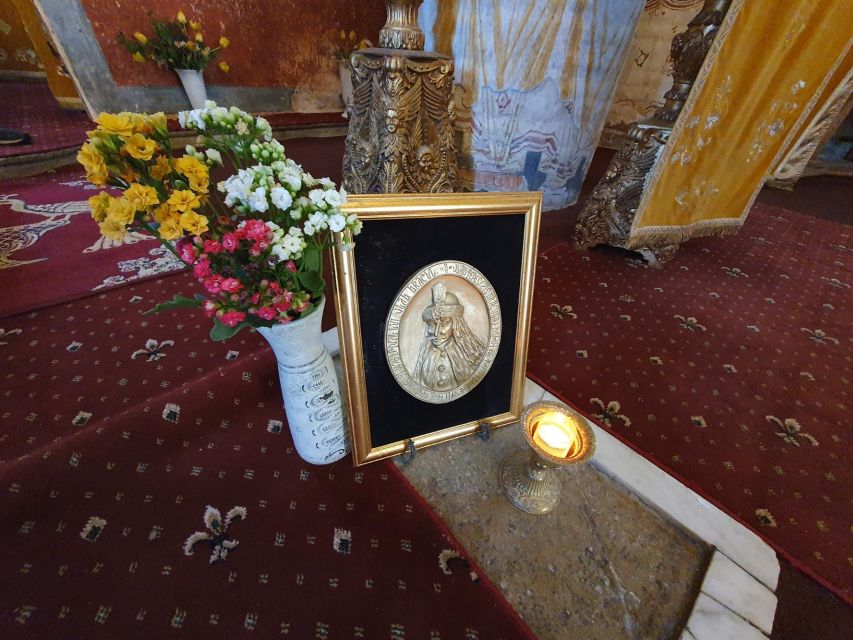
Snagov Monastery is linked to Vlad the Impaler, the 15th-century ruler often connected with the Dracula story. The tour presents the site as the location of Dracula’s tomb, so this is the stop most likely to catch the attention of visitors drawn to the legend.
I would keep your expectations measured. This is a historical and religious site with a Dracula association, not a theatrical vampire attraction. The interest comes from the meeting of place, ruler, legend, and Romanian identity.
You get a guided visit and time for photographs. The island setting helps make Snagov feel like a genuine excursion rather than another urban monument. It is also one reason the private vehicle is valuable: reaching a site outside Bucharest is simpler when transportation, parking, and road tolls are already handled.
The route includes scenic views on the way, but the supplied details do not promise a long nature outing or a boat trip. Treat Snagov as a compact cultural stop with an unusual setting, not as a full day beside the lake.
Ceaușescu Mansion: power behind closed doors
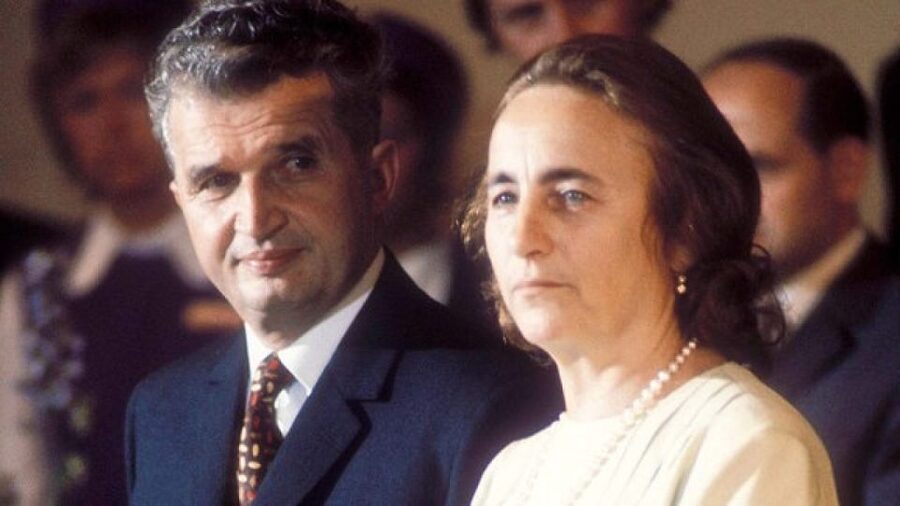
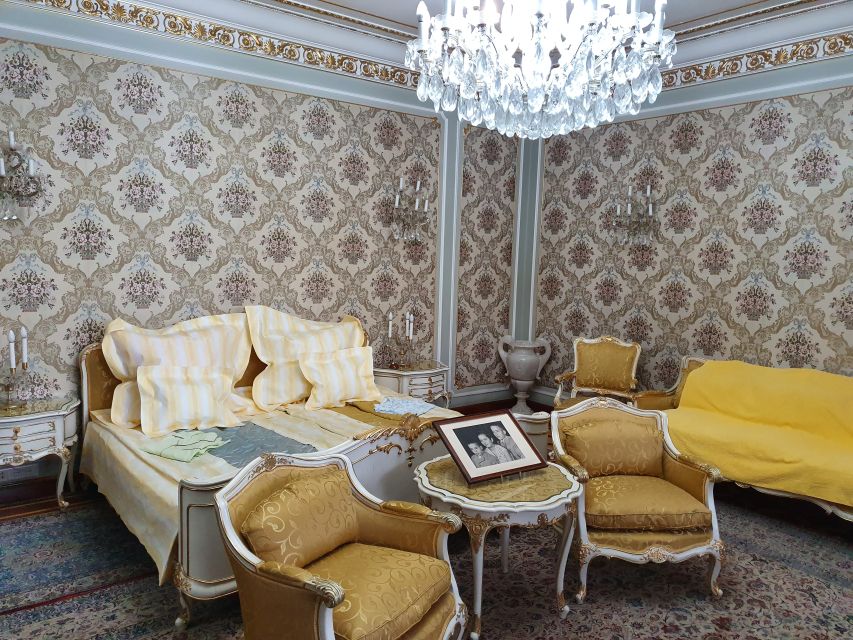
The House of Ceaușescu was the private residence of Nicolae and Elena Ceaușescu and their children, Nicu, Zoia, and Valentin, for about a quarter-century, from 1965 until 1989. At the time, it was known as the Spring Palace.
The building began in the mid-1960s and was enlarged between 1970 and 1972. Architect Aron Grimberg-Solari designed the residence, while architect Robert Woll worked on the interior furnishings and the grounds, with landscape engineer Teodosiu involved in the outdoor design.
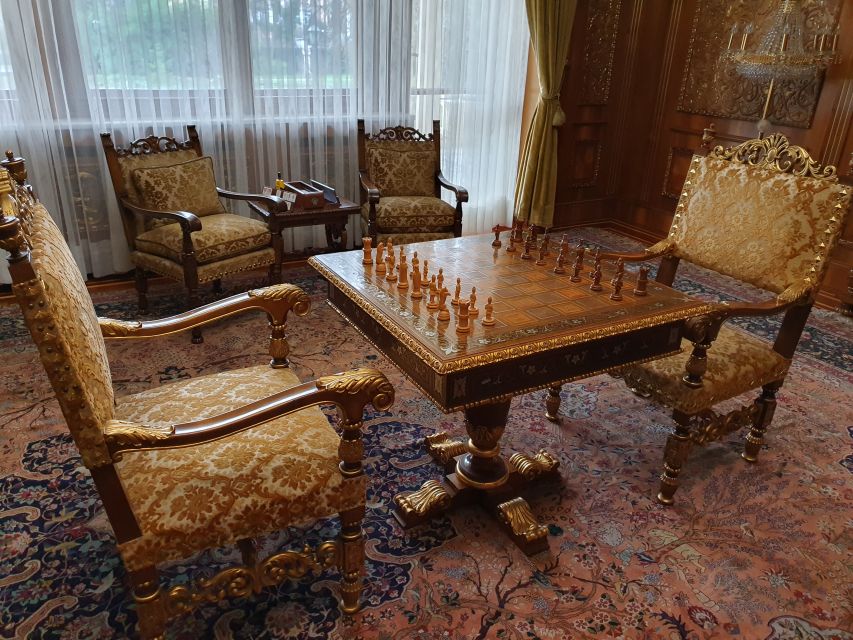
You should pay attention to the difference between the public image of communist Romania and this private home. The building was created for a ruling family that promoted a worker-centered political message, yet it offered a protected and carefully planned domestic world for the Ceaușescus.
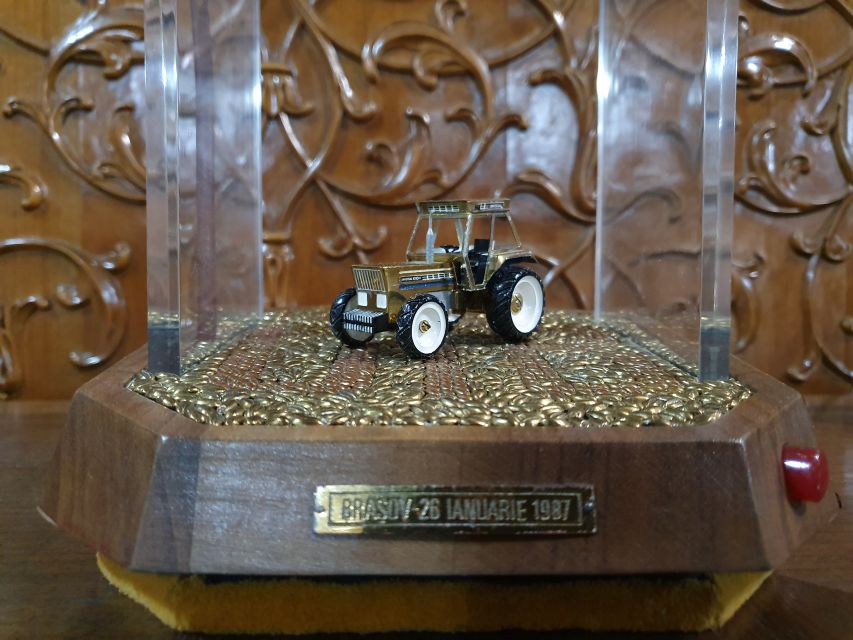
The visit lasts about an hour and includes a guided walk, scenic driving, and time to look around. The guide’s explanation is important here. Without context, a palace interior can become a parade of rooms and furnishings. With context, the mansion helps you understand the gap between official austerity and the privileges enjoyed by the country’s leaders.
This stop is especially useful if you want more than a general account of Ceaușescu’s rule. You see the family residence rather than only the offices, public speeches, and monuments connected to his government.
Calea Victoriei: a street built from contradictions
Calea Victoriei is the main city stretch of the tour, with about an hour and a half for guided sightseeing, walking, and free time. This is where Bucharest’s layers sit close together.
Your guide can show you the Royal Palace on one side and the former Central Committee of the Romanian Communist Party on the other. That pairing captures the city’s political changes in a single view. One building represents monarchy and court life, while the other recalls the party leadership that ruled Romania under communism.
Along the avenue, you may see Orthodox churches, museums, theaters, restaurants, tea shops, music stores, casinos, retail shops, and places to buy souvenirs. The route also includes major landmarks such as the National History Museum and the Romanian Athenaeum.
This is a good place to ask for a walking balance. The schedule includes both driving and walking, and Calea Victoriei rewards attention to façades and street detail. Still, the tour has several later stops, so free time for shopping will be limited if the group wants to keep the full route.
I like this part because it gives you a usable mental map of central Bucharest. You are not simply ticking off isolated buildings. You are seeing how royal, religious, cultural, commercial, and communist institutions share the same city corridor.
Other trips to Dracula's castle from Bucharest:
- Bucharest: Day Trip to Dracula Castle, Peles Castle & Brașov
★ 4.4 · 3,049 reviews - Bucharest to Dracula Castle, Peles Castle and Brasov Guided Tour
★ 4.5 · 2,933 reviews - Dracula’s Castle, Peles Castle and Brasov Day Trip from Bucharest
★ 4.5 · 1,804 reviews - Transylvania and Dracula Castle Full Day Tour from Bucharest
★ 4.5 · 1,589 reviews
Revolution Square and the fall of Ceaușescu
The stop at Revolution Square lasts about 30 minutes. That is short, but the location carries major importance in Romania’s modern story.
The former Central Committee building is tied to the December 1989 revolution. This is where the uprising that removed Ceaușescu from power began, and where he famously fled by helicopter after losing control of the situation.
The guide’s role is particularly valuable here because the physical setting does not automatically explain the events. You need the sequence of protests, repression, public pressure, and political collapse to understand why this square matters.
The tour also places the building within the wider story of Ceaușescu’s fortune, the state security service, and controversies over offshore accounts. These subjects are serious and politically charged. Expect explanation rather than a light sightseeing stop.
Thirty minutes gives you time to see the principal site and ask questions, but not to study every monument around the square. If 20th-century politics is your main reason for booking, tell your guide early so this stop receives the attention you want.
The Athenaeum, CEC Palace, and Parliament
The Romanian Athenaeum follows with another 30-minute visit. This landmark adds a cultural and architectural counterpoint to the political sites. You get a guided look, a walk, and scenic views on the way.
The Athenaeum helps broaden the day beyond dictatorship and revolution. It represents Bucharest’s role as a city of music, public culture, and grand civic buildings. The visit is not presented as a full concert or extended interior program, so treat it as an architectural and cultural stop.
CEC Palace receives about 15 minutes for a photo stop, visit, guided explanation, and short break. The building is one of Bucharest’s notable architectural sights, and its ornate appearance contrasts with the institutional buildings connected to the communist period.
The short timing means this is mainly a focused look from outside or a quick visit, rather than a long museum experience. Have your camera ready and listen closely while the guide explains what you are seeing.
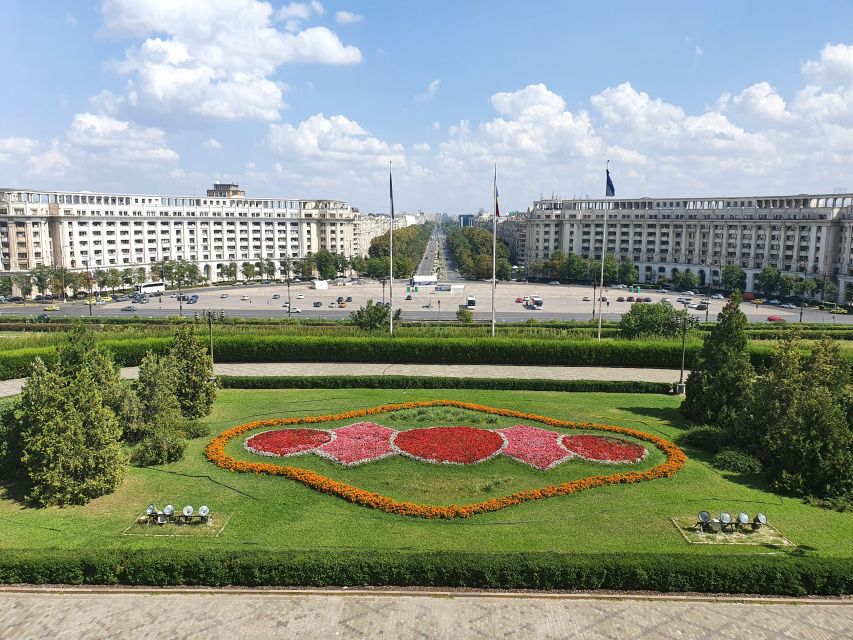
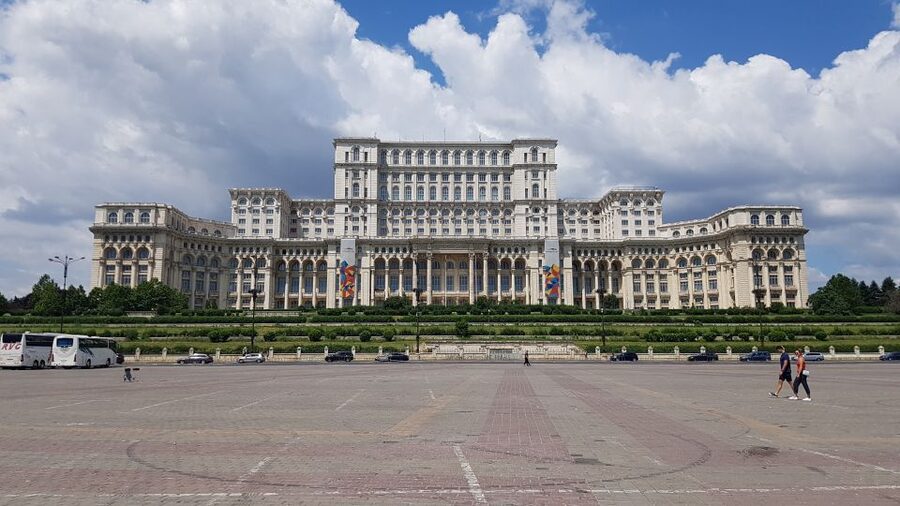
The Palace of Parliament receives about 30 minutes for photographs, sightseeing, and a guided walk. It is one of the clearest symbols of Ceaușescu’s rule and the scale of the state project associated with it.
The information provided does not promise a full interior tour of the parliament building. You should therefore confirm exactly which areas are included before booking if entering the building is essential to you. Even a guided exterior visit is useful because the size and setting make sense only when tied to Ceaușescu’s urban plans and political power.
Is $254 per person good value?

At $254 per person, this is a costly day if you are comparing it with a basic group bus tour. The price makes more sense if you are traveling with family or friends and value a private vehicle, a dedicated guide, hotel pickup, and the ability to alter the pace.
Fuel, parking, and road tolls are included. That is useful for Snagov, which sits outside Bucharest, and it removes the need to arrange separate transportation for the island visit.
Entrance fees are extra and estimated at about 17 euros per person. Food and drinks are also not included. Since the schedule is full, plan to eat before departure or ask the guide how the day’s breaks can work. Do not assume that a meal stop is built into the six hours.
The value is strongest for first-time visitors who want an overview with interpretation. You see traditional rural buildings, a communist leader’s home, the revolution site, and major central landmarks without managing several separate bookings.
The value is weaker if you prefer slow museum visits or independent wandering. Six hours is enough for breadth, not a leisurely study of every stop. A private tour gives you control, but it cannot create extra time.
Who will enjoy this private Bucharest tour?
I would recommend it to you if you want a wide historical sweep and have limited time in Bucharest. It suits families, couples, and small groups who prefer a private car over public transport or a large coach.
It is also a strong choice if you are curious about Ceaușescu. The combination of his home, the former party headquarters, Revolution Square, and the Palace of Parliament gives you several ways to understand his rule.
The tour also works well for visitors who want a Dracula connection without giving up the city’s main sights. Snagov is more grounded than a themed attraction, and the Village Museum adds local culture to the medieval and communist subjects.
You may want a different plan if your priority is a long visit to one museum, extensive shopping, or a full day in the countryside. The schedule moves often, and the city section includes many photo and orientation stops.
Free cancellation is available up to 24 hours before departure, with a full refund. You can also reserve and pay later, which helps if your Bucharest schedule is still changing.
Should you book it?
Book this tour if you want one private day that connects Romania’s village traditions, royal and communist Bucharest, the 1989 revolution, and the Dracula legend at Snagov. The best feature is the contrast between the stops, from modest rural homes to a dictator’s private residence and oversized state buildings.
Before paying, confirm the exact starting time, which interiors are entered, and how your guide plans to divide the six hours. If you accept a brisk pace and pay the additional entrance fees, this is a practical way to see far more than central Bucharest alone. If you want slow, detailed visits, choose fewer sights and spend more time at each one.
FAQ
How long does the tour last?
The tour lasts six hours, including pickup in Bucharest, the Snagov excursion, and the city sightseeing stops.
Is transportation included?
Yes. You travel in a private car or minibus, with fuel, parking, and road tolls included.
Is this a private group tour?
Yes. The vehicle and guide are reserved for you and your friends or family.
What languages can the guide speak?
The available guide languages are Romanian, English, Italian, French, Spanish, and German.
Is the Dracula tomb included?
Yes. The Snagov Monastery visit includes the site identified with Dracula’s tomb.
Are entrance fees included in the price?
No. Entrance fees are paid separately and are estimated at about 17 euros per person. Food and drinks are also not included.
Where does pickup take place?
Pickup is in Bucharest. The driver holds a sign showing your last name.
More communism tours in Bucharest
- Bucharest: Palace of Parliament Tickets and Guide
★ 4.3 · 3,182 reviews - Bucharest: Palace of Parliament Tickets and Guided Tour
★ 4.4 · 1,877 reviews - Bucharest: Parliament Palace Skip-the-line Ticket
★ 4.2 · 1,518 reviews - The Real tour of Communism
★ 5.0 · 666 reviews
More monastery trips around Bucharest
- Princely Court of Târgoviște and Curtea de Argeș Monastery
★ 4.5 · 50 reviews - Small Group Tour to Mogosoaia Palace & Snagov Monastery
★ 4.4 · 41 reviews - Sacred Monasteries Private Tour: Snagov, Țigănești & Căldărușani
★ 5.0 · 32 reviews - Private Half Day Trip to Snagov Monastery & Mogosoaia
★ 4.1 · 29 reviews
Just added around Bucharest
- Winery touring & private wine tasting – one day private tour★ 5.0 · 3 reviews
- Village Museum Bucharest Guided Tour★ 5.0 · 6 reviews
- Bucharest: Dealu Mare Winery Private Trip with Wine Tasting★ 4.9 · 6 reviews
- Traditions in Bucharest: Village Museum and Wine Tasting★ 5.0 · 8 reviews
- Transylvania Tour: Dracula’s Castle, Peles Palace & Brasov★ 5.0 · 19 reviews
- Airport Henri Coanda (Otopeni) to Bucharest – Private Transfer – Driver★ 5.0 · 5 reviews
- Gems of Transilvania: Brasov,Sighisoara,Sibiu,Viscri and more★ 5.0 · 6 reviews
- Discover Medieval Transylvania Small Group Tour – 7 days★ 5.0 · 4 reviews
Dracula & Bran Castle Tours, compared.
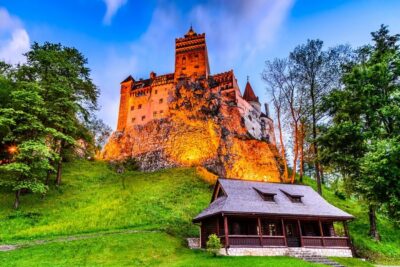
Dracula’s Castle, Peles Castle, & Brasov Old Town
Read our review →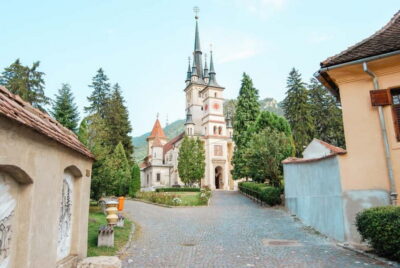
Dracula’s Castle, Peleș Castle & Brașov Day Trip
Read our review →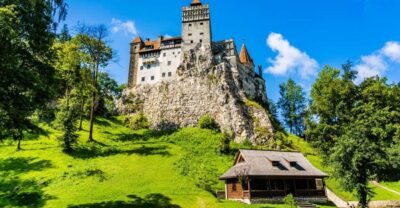
Day Trip to Dracula Castle, Peles Castle & Brașov
Read our review →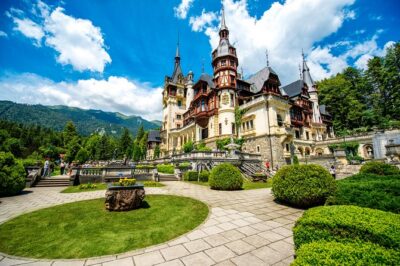
Bucharest to Dracula Castle, Peles Castle and Brasov Guided Tour
Read our review →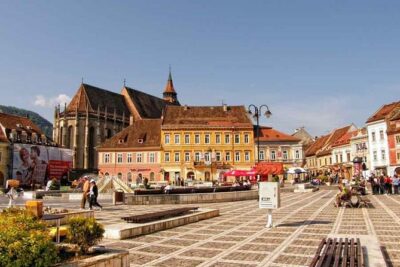
Dracula’s Castle, Peles Castle and Brasov Day Trip from Bucharest
Read our review →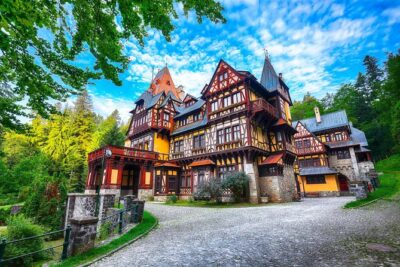
Transylvania and Dracula Castle Full Day Tour from Bucharest
Read our review →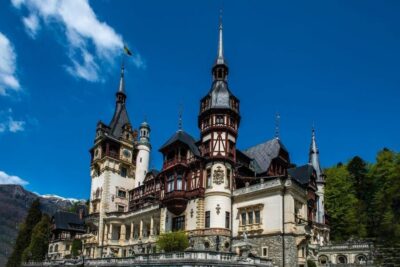
Peles Castle, Bran Castle, & Brasov Old Town Tour
Read our review →Browse the lists this tour appears in