
Reviewed · MARAMUREȘ & MONASTERIES
Maramures in a nutshell
Merry Cemetery is the surprise at the heart of this day. Its painted tombstones tell local stories with plain words, bright colors, and a touch of humor, making death feel unusually human. You also meet craftspeople connected to the cemetery, then move through old wooden churches and villages that many people never reach.
I like the private pickup from Sighetu Marmatiei, which saves you from finding a meeting point and gives your group room to ask questions. I also like the mix of crafts, church art, traditional clothes, and lunch, since this is not just a run through monuments. Guide Ioana adds useful context about both the region and everyday life in Romania.
The main consideration is the pace. Nine hours covers a lot of ground, and several stops are short, including 20 minutes at Sapanta-Peri and 30 minutes at some churches. If you want long museum visits or slow village wandering, this full-day route may feel brisk.
Key points to know before booking
- Merry Cemetery leads the day: Read the painted tombstones, then connect the cemetery to the local craftspeople who make them.
- Private transport begins at your accommodation: Pickup is offered in Sighetu Marmatiei and the nearby area at 9:00 am.
- Six very different stops fit into about nine hours: You see a cemetery, monasteries, UNESCO wooden churches, and village workshops.
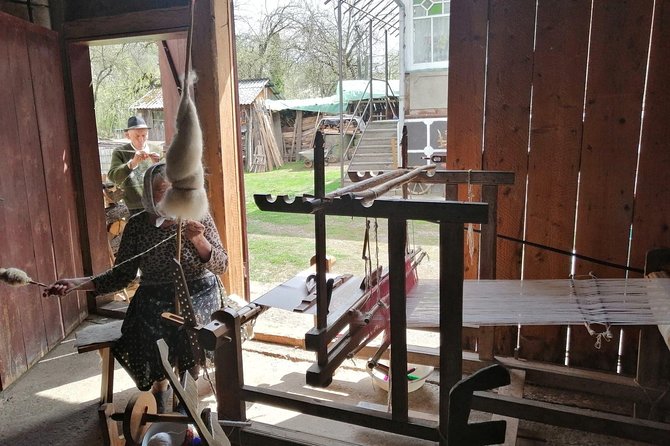
- Sârbi gives the day a hands-on local focus: Women may be weaving carpets or dresses, while men may be weaving hats or distilling fruit.
- Traditional clothing and lunch add daily life: The experience goes beyond looking at old buildings.
- The $180.44 price is strongest for a small group: A private day with pickup and a guide can be good value when shared by several people, especially with any group discount.
Why this Maramures day feels different
Maramures is best understood through small details. A carved wooden church tells you about faith and building skills. A handwoven carpet shows how useful objects can also carry local style. A painted tombstone gives you a glimpse of how one community remembers its dead.
This tour brings those pieces together in one day from Sighetu Marmatiei. You are not limited to a standard town walk or a single museum. Instead, the route moves through Săpânța, Bârsana, Desești, Budești, and Sârbi, with each place offering a different view of the region.
The private format matters. Your group starts at your accommodation at 9:00 am, and only your party takes part. That makes it easier to pause for questions, spend a little longer at a favorite stop, or ask guide Ioana about life in Romania. The tour is offered in English, and confirmation arrives at booking.
At roughly nine hours, this is a full day. The route is not designed for a lazy morning followed by one attraction. You should expect a steady sequence of visits, with enough time to see each place but not unlimited time at any one of them.
Other monasteries and painted churches from Romania:
- 3-Castle: Peles,Bran,Rasnov,Sinaia Monastery from Brasov w pickup
★ 5.0 · 274 reviews - Bucovina Painted Monasteries Day Tour
★ 5.0 · 83 reviews - Peles Castle, Bran Castle, Rasnov Fortress and Sinaia Monastery Tour from Brasov
★ 5.0 · 55 reviews
Reading the stories at Merry Cemetery
Merry Cemetery is the day’s most distinctive stop. Rather than using only solemn gray stones, the cemetery is known for painted tombstones that show scenes and words connected with the person buried there. The result is direct, personal, and sometimes funny.
You have about 30 minutes here, with admission included. That is enough to walk around and read a selection of the tombstones, though you will need to choose what interests you most. Do not expect to study every inscription at a slow pace.
The wording on the stones is part of the experience. You are not simply looking at decoration. The tombstones present brief accounts of work, family, habits, and death, turning the cemetery into a record of village life. The phrase empiric tombstones used for the visit points to this plain, homemade quality.
A particularly valuable part of the stop is the chance to meet the family connected with making the tombstones. That link takes you beyond the finished objects. You see how a local craft tradition connects with the cemetery itself, and you can better understand why the site feels like a living part of the community rather than a formal monument.
If this is your main reason for booking, keep your expectations focused. You get a short, vivid introduction, not an extended cemetery study. Still, this is the kind of stop that can stay with you long after the more familiar church interiors blur together.
Wooden churches from Desești to Budești
Maramures is known for wooden churches that combine practical construction with careful decoration. The tour visits three churches or church sites, giving you a useful comparison instead of a single example.
At Desești, you spend about 30 minutes at the UNESCO wooden church. At Budești Josani, you visit St Nicholas Church, another UNESCO-listed wooden church, with admission included and about 30 minutes set aside. These short visits are enough to see the buildings and hear the main stories, but they leave little room for lingering.
The churches matter because they show how local communities built important religious spaces from available materials. Their timber construction is not just an architectural oddity. It reflects local skill and the way village traditions shaped worship spaces.
The Budești visit is especially useful for comparison with Desești. You can look for differences in scale, decoration, and atmosphere as Ioana explains what you are seeing. I would pay close attention to the details inside rather than treating these as quick photo stops.
The tour also includes Barsana Monastery, where you have about an hour. Here, the focus shifts from one old parish church to a larger religious site, with stories and legends about the church and a museum of old religious artifacts. The hour gives you more breathing room than the shorter church stops.
Barsana may appeal most if you want context along with architecture. The stories help turn the building from a pretty wooden structure into a place with local meaning. The small museum adds another layer, letting you see religious objects rather than only the building that houses them.
The route is not a specialist architectural tour. You will not get long technical lectures at every church. Instead, the value comes from seeing several sites in one day and hearing how they fit into the region’s religious and cultural life.
Sapanta-Peri and the tallest wooden church experience
Sapanta-Peri Monastery offers a different visual moment. Its wooden church rises more than 70 meters, making it an immediate landmark and one of the most dramatic structures on the route.
You have about 20 minutes here, and admission is free. That time works for seeing the church, taking in its height, and hearing the basic story of the site. It is not enough for an extended visit, so think of Sapanta-Peri as a focused stop between longer visits.
The contrast with the smaller wooden churches is part of the appeal. Desești and Budești invite attention to traditional village church design, while Sapanta-Peri gives you scale. Seeing all three helps you understand that wooden architecture in Maramures is not one fixed style.
Because the visit is short, this stop may feel more visual than reflective. If you prefer a slow examination of church interiors, you may wish the schedule allowed more time. If you like a day with varied sights, the quick change of scale keeps the route moving.
Same base, a completely different day:
- Bucharest: Dracula’s Castle, Peles Castle, & Brasov Old Town
★ 4.5 · 17,858 reviews - Bucharest: Dracula Castle, Peles Castle & Brasov Old Town
★ 4.6 · 10,891 reviews - Bucharest: Dracula’s Castle, Peleș Castle & Brașov Day Trip
★ 4.5 · 5,919 reviews - Bucharest: Palace of Parliament Tickets and Guide
★ 4.3 · 3,182 reviews
Meeting Maramures artisans in Sârbi
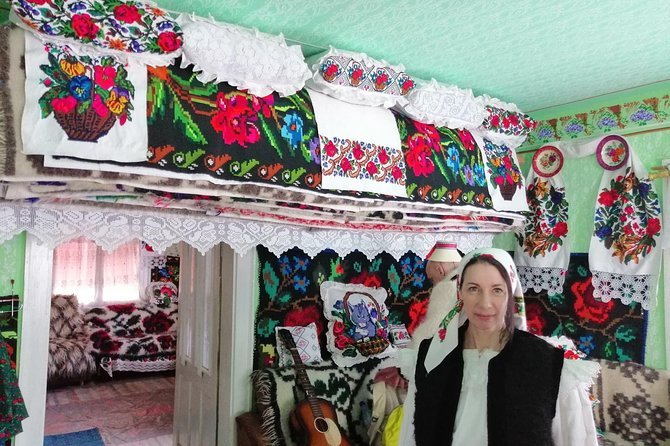
Sârbi is where the tour shifts from heritage sites to working craft traditions. You meet local artisans and see activities such as women weaving carpets or dresses, men weaving hats, and fruit distilling.
The wording is important here: the craft work may vary. You should see village skills in practice, but the exact demonstration can depend on who is available and what is being made that day. That uncertainty is part of a real working community, though it means you should not expect a fixed stage show.
You have about an hour, with no admission charge. This is enough time to look closely, ask questions, and understand how these objects are produced. If you enjoy buying or wearing traditional items, this stop gives you a better sense of the labor behind them.
The visit can also help you connect the other stops. The painted tombstones, timber churches, woven clothing, and village tools all come from a culture where practical work and local identity overlap. You are seeing more than isolated souvenirs.
A further highlight is trying on traditional clothing. That makes the stop more personal than simply watching someone work. It also gives you a memorable way to connect with the region’s dress traditions without turning the visit into a staged performance.
Lunch, local stories, and the guide’s role
Traditional lunch is part of the experience, and it is taken at a local inn. The exact dishes are not specified, so you should not book this expecting a particular menu. The important point is that the meal is built into the day rather than left for you to arrange while moving between villages.
That is useful on a nine-hour route. You avoid spending part of the day searching for a place to eat, and a local inn fits the wider focus on everyday Maramures. Lunch also gives you a natural pause after the morning’s visits.
Guide Ioana is a major part of the experience. She explains the places on the route, answers questions, and also discusses what it is like to live in Romania. That broader conversation is valuable because monuments alone cannot explain how a region works today.
You should make use of the private format by asking questions. Ask about the legends at Barsana, the tombstone makers, village crafts, or daily life. The day is likely to feel much more rewarding when you treat it as a conversation rather than a series of scheduled photo stops.
The guide’s role also helps with the route’s uneven timing. A 20-minute visit can feel brief, but a good explanation gives that stop purpose. At the longer stops, you can ask for more detail or return to a feature that caught your eye.
What $180.44 buys you
The listed price is $180.44 per person. That is not a budget half-day outing, but this is also not a basic transfer between attractions. You are paying for a private, approximately nine-hour experience with pickup, an English-speaking guide, multiple admissions, cultural visits, and lunch included as part of the day.
Value depends heavily on group size. Since only your group participates, the price makes more sense when shared among several people, and group discounts may be available. A solo visitor pays more per person for the same private structure, while a couple or family may find the convenience easier to justify.
Admission is included at Merry Cemetery, Barsana Monastery, and Budești’s St Nicholas Church. Sapanta-Peri and Desești are listed with free admission. That reduces small out-of-pocket costs during the day, though the main value is the guide and private transport rather than the entrance fees.
I would compare this with the cost and effort of arranging the same route independently. You would need to connect several villages, decide how long to spend at each one, find the churches, and arrange a local lunch. The private pickup from Sighetu Marmatiei removes much of that work.
The tour is booked, on average, about 90 days ahead. That does not guarantee that every date sells out, but it suggests you should plan early if your schedule in Maramures is fixed.
Pace, comfort, and who should book
Most people can participate, and service animals are allowed. The tour is near public transportation, but pickup is provided from your accommodation in Sighetu Marmatiei and the nearby area, so you do not need to begin by navigating to a public meeting point.
The schedule suits you if you want a broad introduction to Maramures in one day. It is a good fit for someone who wants culture, architecture, village life, and a meal in one package. It also works well for a private group that prefers questions and flexible conversation over a large coach tour.
You may want a different experience if you prefer one site in great depth. The short visits to Sapanta-Peri, Desești, and Budești leave limited time for extended photography or detailed study. The route favors range and contrast.
The tour also suits people who are curious about ordinary skills, not just famous landmarks. The artisans in Sârbi, the tombstone makers, and the traditional clothing give the day a human scale. For many people, those encounters will be more memorable than simply checking off another church.
Free cancellation is available up to 24 hours before the start time for a full refund. Changes or cancellations inside that 24-hour window are not accepted for a refund, so keep the local cutoff time in mind.
Should you book this Maramures tour?
Book it if you have one full day in the Sighetu Marmatiei area and want a structured introduction to the region’s strongest cultural sights. Merry Cemetery and the artisan visit are the most distinctive parts, while the wooden churches and monasteries give the day substance and variety.
I would especially recommend it for couples, families, or small groups who can share the private-tour cost and value pickup, an English-speaking guide, and a local lunch. Guide Ioana’s personal explanations add something a map and rental car cannot easily provide.
Think twice if your priority is a slow schedule. Six main stops in about nine hours means you will keep moving, and some churches receive only 30 minutes. For most people, though, the range is the point: you see the region’s humor, faith, craft, and village life in one well-filled day.
FAQ
Where does the tour start?
The tour starts at your accommodation in Sighetu Marmatiei or the nearby area. Pickup is provided for the private tour.
What time does the tour begin?
The start time is 9:00 am.
How long does the experience last?
The tour lasts approximately nine hours.
Is the tour private?
Yes. Only your group participates in the activity.
Is the tour offered in English?
Yes. English is one of the offered languages.
Which places are included?
The route includes Merry Cemetery, Barsana Monastery, Sapanta-Peri Monastery, the UNESCO wooden church at Desești, St Nicholas Church in Budești Josani, and an artisan visit in Sârbi.
Can I cancel for a full refund?
Yes. You can cancel at least 24 hours before the experience begins for a full refund. Cancellations or changes made less than 24 hours before the start time are not accepted for a refund.
Just added around Romania
- Winery touring & private wine tasting – one day private tour★ 5.0 · 3 reviews
- Village Museum Bucharest Guided Tour★ 5.0 · 6 reviews
- Bucharest: Dealu Mare Winery Private Trip with Wine Tasting★ 4.9 · 6 reviews
- Turda Salt Mine, Gorge & Rimetea Village (private from Cluj)★ 5.0 · 5 reviews
- Private tour to Turda Salt Mine, Rimetea and Alba Iulia★ 4.8 · 5 reviews
- Turda salt mine and Corvin Castle day tour from Cluj★ 5.0 · 9 reviews
- Traditions in Bucharest: Village Museum and Wine Tasting★ 5.0 · 8 reviews
- Transylvania Tour: Dracula’s Castle, Peles Palace & Brasov★ 5.0 · 19 reviews
Maramureș & Monasteries, compared.

3-Castle: Peles,Bran,Rasnov,Sinaia Monastery from Brasov w pickup
Read our review →
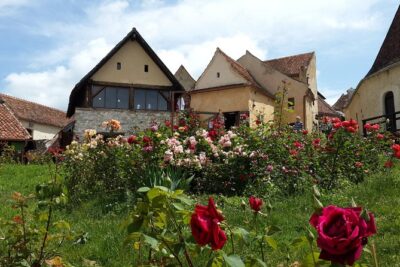
Peles Castle, Bran Castle, Rasnov Fortress and Sinaia Monastery Tour from Brasov
Read our review →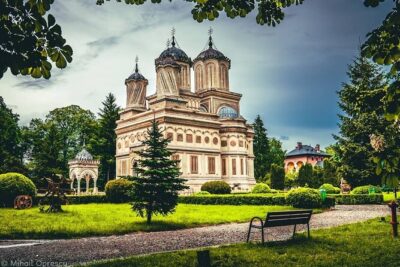
Princely Court of Târgoviște and Curtea de Argeș Monastery
Read our review →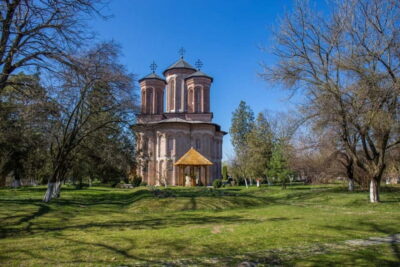
Small Group Tour to Mogosoaia Palace & Snagov Monastery
Read our review →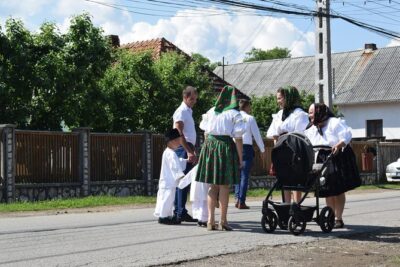
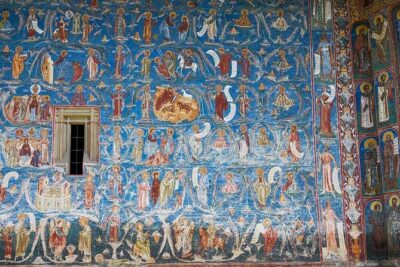
1-Day Bucovina Painted Monasteries tour from Suceava – English
Read our review →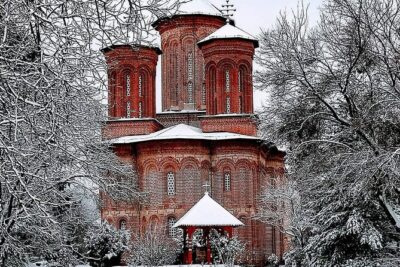
Sacred Monasteries Private Tour: Snagov, Țigănești & Căldărușani
Read our review →Browse the lists this tour appears in