
Reviewed · COMMUNISM & CEAUȘESCU TOURS
Exploring a Former Communist Prison
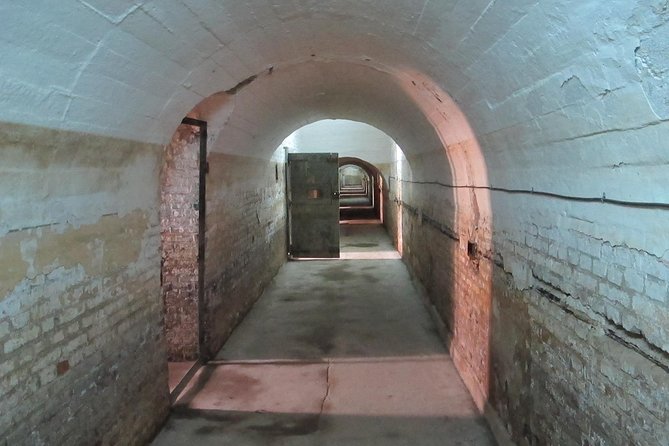
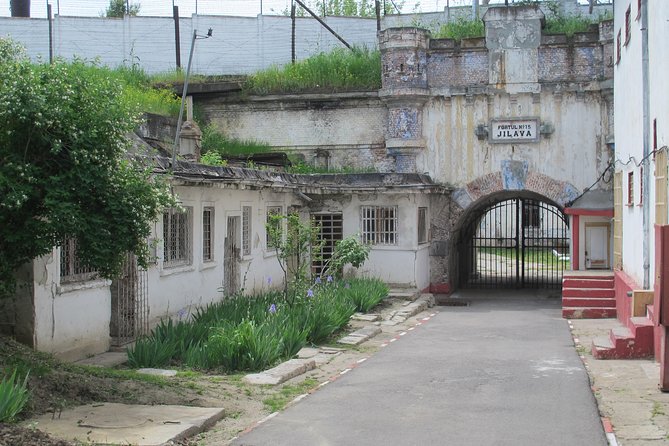
The most powerful part of this six-hour Bucharest experience comes at Fort 13 Jilava, a 19th-century military fort later used as a communist prison and execution site. You enter a place tied to Romania’s hardest political years, then connect it to the streets, housing blocks, monuments, and public spaces that shaped daily life under the regime.
I like the way the tour joins Revolution Square with the city’s communist neighborhoods instead of treating the prison as an isolated museum visit. I also like the small-group format, with no more than eight people, and the chance to hear the story from a guide such as Mircea, who was in Revolution Square when communism fell in December 1989.
The main drawback is the subject matter. Fort 13 Jilava is a grim place, and the two-hour visit may feel heavy rather than entertaining. You should also remember that mobile phones are not allowed inside, and photos require a separate camera.
Key points before you book
- Fort 13 Jilava is the main event: Spend about two hours inside a former military fort used as a communist prison.
- Mircea may lead the tour: His personal connection to the December 1989 events can add useful context at Revolution Square.
- The route reaches beyond central Bucharest: You drive through Ferentari, a working-class district rarely included in standard sightseeing tours.
- The Palace of Parliament is viewed from outside: The quick stop is for photographs and discussion, not an interior visit.
- Food and drinks are included: Expect a covrig, local bites, bottled water, coffee or tea, and one beer or equivalent.
- Plan for a serious day: This suits people interested in political history, memory, prisons, and ordinary life under communism.
Why Fort 13 Jilava gives the day its weight
Bucharest’s communist past can be hard to grasp from grand buildings alone. You can admire the Palace of Parliament, photograph a monument, and still miss how the system affected homes, neighborhoods, work, fear, and private life.
Fort 13 Jilava changes that. The site began as a 19th-century military fort, but later became part of Bucharest’s prison system under communism. It was used to hold people who opposed the regime and is described as a detention and execution camp. The fort is now a memorial inside Bucharest’s largest prison.
That setting matters. You are not simply looking at a display of objects behind glass. You are visiting an old military structure that was adapted for confinement. The prison’s location inside an active prison complex also makes the visit feel connected to the continuing reality of incarceration, rather than sealed away as a neat historical exhibit.
You should expect the fort to be stark. The tour is about understanding what happened there, not finding polished attractions or light entertainment. If you have a strong interest in political history, this is the kind of stop that can remain with you long after the more familiar city sights blur together.
More of the communist years around Bucharest:
- Bucharest: Palace of Parliament Tickets and Guide
★ 4.3 · 3,182 reviews - Bucharest: Palace of Parliament Tickets and Guided Tour
★ 4.4 · 1,877 reviews - Bucharest: Parliament Palace Skip-the-line Ticket
★ 4.2 · 1,518 reviews
Revolution Square and the fall of communism
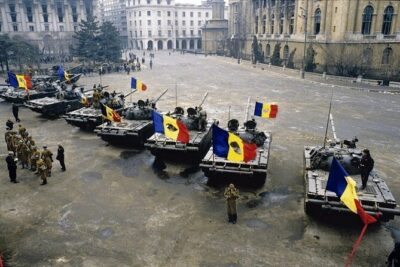
The tour begins at the Memorial of Rebirth in Piața Revoluției at 9:30 in the morning. This is an important starting point because the square is closely tied to the collapse of Romania’s communist government in December 1989.
The opening hour combines a look at Bucharest’s older development with the events that shaped the modern city. You learn how Bucharest changed over roughly 500 years and how its military fortification system developed. That background helps explain why the tour later turns toward a fort outside the city.
The square also gives the experience a personal edge. Mircea, one of the local hosts, was present there when communism fell. If he leads your group, you may hear the events from someone with a direct connection to that moment, rather than only receiving a standard timeline.
I value this beginning because it places the prison story in a wider civic setting. The regime did not exist only behind prison walls. Its collapse played out in public squares, and its effects still shape how Bucharest remembers the past.
You will spend about an hour exploring this part of the city by car and on foot as appropriate. The exact balance is not specified, so do not expect a long walking tour of every monument in the square. The focus is the historical explanation and the link between the city’s older defenses and its later political history.
A quick look at the Palace of Parliament
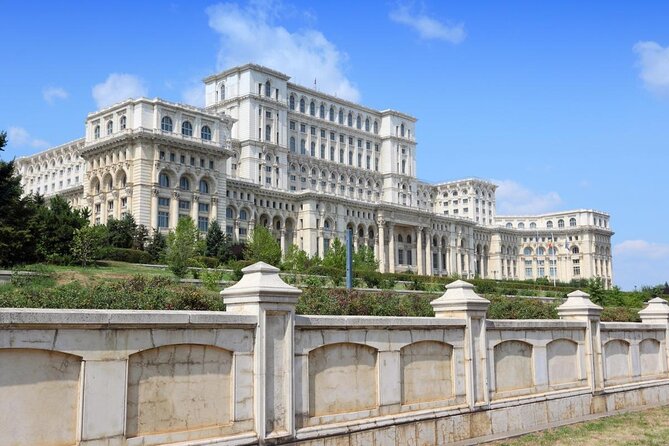
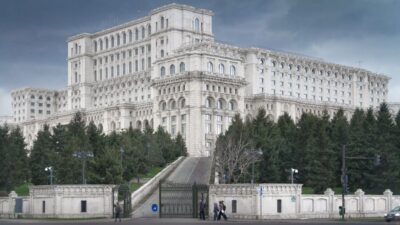
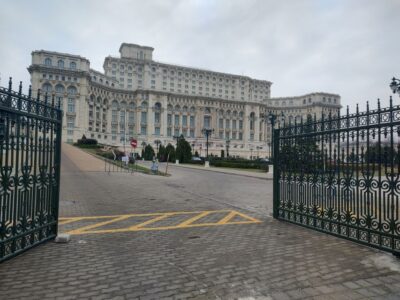
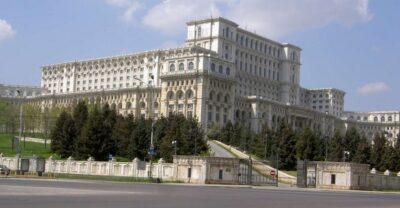
The Palace of Parliament receives about 20 minutes. This is an exterior stop, with time to circle the building, take photos, and hear about its less comfortable meaning for local people.
It is one of the world’s largest administrative buildings, but size is not the whole story. The structure belongs to the final years of Nicolae Ceaușescu’s rule and represents the massive reshaping of Bucharest under communism. Its construction involved major demolition and displacement, so the building carries both architectural force and political cost.
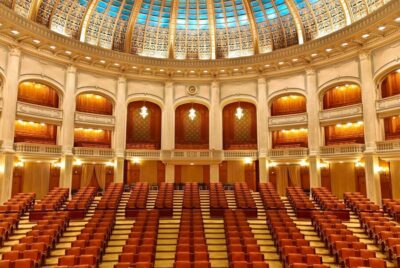
The short stop works well as part of a broader route. You get the visual impact without spending half a day touring the interior. The tradeoff is clear: if you want to see the grand halls inside, admission is not included and this tour does not provide that visit.
For a first look, the outside circuit is useful. You can take in the scale, hear why the building remains controversial, and then move on to the human side of the era in the city’s neighborhoods.
Driving through Ferentari, the Bronx of Bucharest
The route then crosses Ferentari, described as the Bronx of Bucharest. This is not a polished sightseeing district, and that is precisely why it belongs on this route.
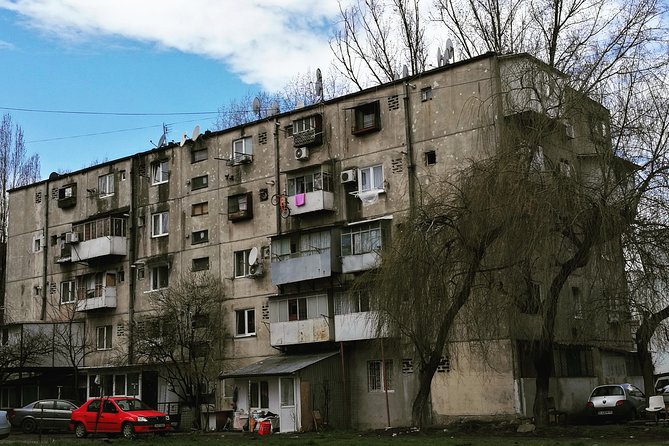
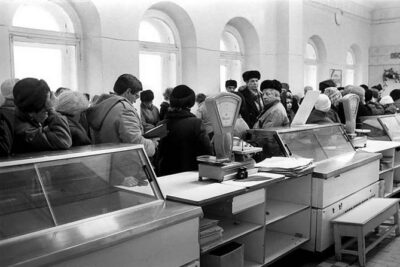
You see communist-era apartment dormitories and neighborhoods that reflect the social structure of the last 50 years of Romanian history. The drive offers a reality check. Instead of viewing communism through monuments alone, you see the housing environments where ordinary people lived and where the regime’s planning shaped daily routines.
The wording used for Ferentari can sound dramatic, so keep your expectations grounded. This is a drive through the area, not a carefully staged neighborhood walk or a promise of access to private homes. The point is to observe the urban setting and discuss the contrast between official projects and lived experience.
I like this part because it links the central city to the less polished edges of Bucharest. A major advantage of a small vehicle is that the guide can explain what you are seeing as the route changes. With a maximum of eight people, you should have a better chance to ask questions than on a large coach.
The route also takes you outside central Bucharest toward Jilava. That makes the day more than a set of nearby monuments. You are moving through different layers of the city before reaching the prison itself.
Same base, a completely different day:
- Bucharest: Dracula’s Castle, Peles Castle, & Brasov Old Town
★ 4.5 · 17,858 reviews - Bucharest: Dracula Castle, Peles Castle & Brasov Old Town
★ 4.6 · 10,891 reviews - Bucharest: Dracula’s Castle, Peleș Castle & Brașov Day Trip
★ 4.5 · 5,919 reviews - Bucharest: Day Trip to Dracula Castle, Peles Castle & Brașov
★ 4.4 · 3,049 reviews
Carol Park, a mausoleum, and a communist-era meal
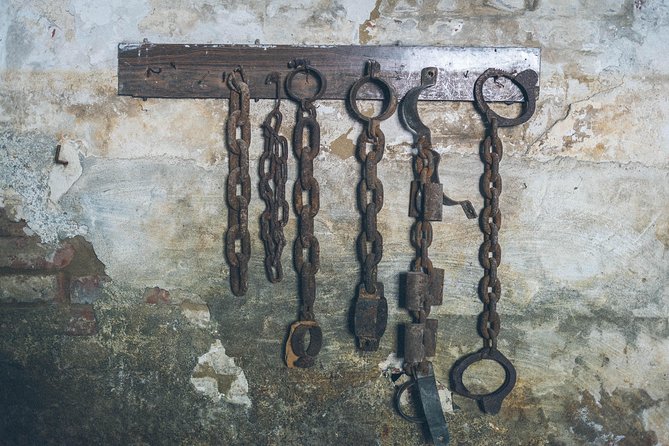
Carol Park provides a pause before the fort visit. Here you see a mausoleum associated with local communist leaders, set in one of Bucharest’s most emblematic parks.
The stop lasts about 30 minutes. That is enough for a look around and a chance to discuss how public monuments were used to honor political figures and shape collective memory. It is not enough for an extended park visit, so think of this as a focused historical stop rather than free time in a large green space.
Food is part of the pause. The tour includes local traditional bites, a street pretzel known as a covrig, bottled water, and coffee or tea. You also receive one 400-milliliter beer or an equivalent drink. The meal is described as a traditional communist meal, giving the stop a social and cultural purpose rather than treating food as an afterthought.
The included food is useful on a six-hour outing. You will not need to leave the route to find a snack, and the stop gives the group a chance to talk before entering a serious site. Still, do not confuse these inclusions with unlimited meals or drinks. Additional food, drinks, souvenirs, and personal purchases cost extra.
Inside Fort 13 Jilava
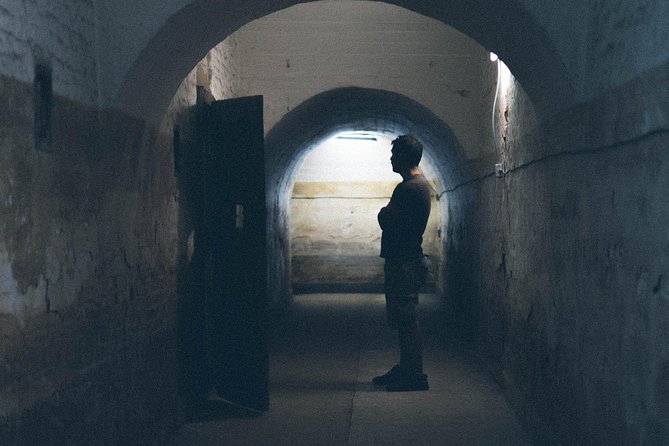
The fort visit lasts about two hours, making it the longest part of the experience. That timing tells you where the emphasis lies. The city stops prepare the story, but Jilava is where the tour asks you to face it.
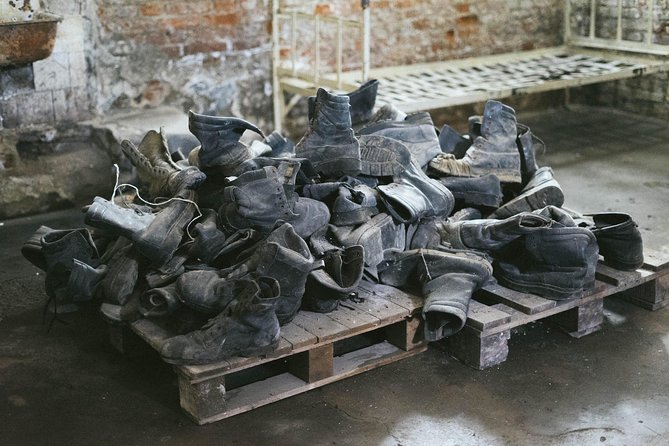
The fort’s earlier military purpose helps explain its physical form. Under communism, the structure became a prison for people who resisted the regime. The tour presents it as a place of detention and execution, and its memorial role gives the visit a clear purpose: to remember the people held and harmed there.
You should wear practical clothing and arrive ready for a site that may feel stark and demanding. The supplied details do not specify the condition of every passage or the exact interior route, so I would not assume a polished museum setup or a fully easy walk. The attraction is the place itself and the guide’s explanation.
The photography rules are strict. Mobile phones are not allowed inside the prison. Photos are permitted only with a camera, so bring a separate camera if recording the visit matters to you. Do not count on using your phone for notes, pictures, or communication during the fort portion.
This rule is more than a minor nuisance. Many people now rely on a phone for every photo and reservation, so you need to prepare before entering. You may find it better to listen closely and let the guide’s story carry the visit, but anyone hoping to document the fort should bring a permitted camera.
Because the fort remains inside an active prison, you should follow the guide’s instructions carefully. The supplied information does not promise a theatrical presentation, reconstructed cells, or a particular set of artifacts. Book this for the setting, the political history, and the chance to think about Romania’s past in a place directly connected to it.
What the small group and vehicle add
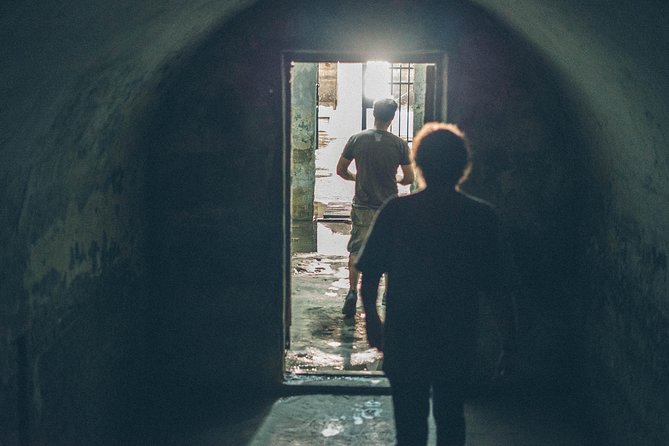
The experience uses an air-conditioned vehicle and caps the group at eight people. That is a strong fit for a route with several scattered stops, especially when you are crossing from central Bucharest toward Jilava and back.
A small group can make the historical conversation more natural. You have more room to ask how the regime changed housing, public monuments, or the prison system. You also avoid the impersonal feel that can come with a large bus, although the actual quality of the day still depends on the guide leading it.
The mobile ticket makes entry straightforward at the meeting point, the Memorial of Rebirth in Revolution Square. The activity ends back there, which is helpful if you want to continue sightseeing in the center after the tour.
The listed price is $173.47 per person. That is not a low-cost city tour, so value depends on what you want. You are paying for a six-hour route, private vehicle transport, a small group, entry to Fort 13 Jilava, a guide, and several included refreshments. You are not paying for the interior of the Palace of Parliament or unlimited food and drinks.
For someone who only wants famous Bucharest sights, the price may feel high. For someone who wants a focused communist-history day with access to a former prison that is not part of a normal city walk, the cost is easier to justify. The fort access is the key value, not the quick photo stops.
Who should book this experience
I would recommend this tour to you if you want history with a human and political edge. It suits people who are curious about the 1989 revolution, communist housing, memorials, prison history, and the way a city carries difficult memories.
It is also a good choice if you have already seen central Bucharest and want to move beyond the usual route. The drive through Ferentari and the visit to Jilava show parts of the city that standard sightseeing often skips.
You should think twice if you want a light, easygoing day of architecture and food. The prison visit is serious, the subject is painful, and the phone restrictions may frustrate photographers. The tour also requires good weather, and the operator may cancel if the minimum group size is not reached. In either case, you are offered another date or a full refund.
Cancellation is free up to 24 hours before the 9:30 start time. Changes or cancellations inside that window are not accepted for a refund.
Should you book Fort 13 Jilava?
Book it if you want to understand Bucharest through its recent past, not just its grand buildings. The combination of Revolution Square, Ferentari, Carol Park, and Fort 13 Jilava gives you a fuller picture of how communism shaped public space, housing, memory, and punishment.
The strongest reason to go is the fort. The strongest practical advantages are the small group, included transport, and guide-led context from someone such as Mircea. The main reasons to skip it are the price, the serious subject, and the strict no-phone rule inside the prison.
For a curious and historically minded visitor, this is one of the more unusual ways to spend six hours in Bucharest. Bring a camera if you want photographs, keep your schedule open for the full morning and afternoon, and prepare for a day that asks more of you than a standard city tour.
FAQ
Where does the tour start?
The tour starts at the Memorial of Rebirth in Piața Revoluției, Bucharest. The start time is 9:30 am.
Where does the tour end?
The activity ends back at the original meeting point in Revolution Square.
How long does the experience last?
The tour lasts approximately six hours.
How many people can join the tour?
The group has a maximum of eight participants.
Is the Palace of Parliament included?
The tour includes a quick exterior stop at the Palace of Parliament. Admission to the building is not included.
Can I use my mobile phone inside Fort 13 Jilava?
No. Mobile phones are not allowed inside the prison.
Can I take photographs at the fort?
Yes, but photos are allowed only with a camera. Mobile-phone photography is not permitted inside.
What food and drinks are included?
The tour includes a covrig, local traditional bites, one 500-milliliter bottle of water, one 400-milliliter beer or equivalent, and coffee or tea. Additional food and drinks are not included.
Just added around Bucharest
- Winery touring & private wine tasting – one day private tour★ 5.0 · 3 reviews
- Village Museum Bucharest Guided Tour★ 5.0 · 6 reviews
- Bucharest: Dealu Mare Winery Private Trip with Wine Tasting★ 4.9 · 6 reviews
- Traditions in Bucharest: Village Museum and Wine Tasting★ 5.0 · 8 reviews
- Transylvania Tour: Dracula’s Castle, Peles Palace & Brasov★ 5.0 · 19 reviews
- Airport Henri Coanda (Otopeni) to Bucharest – Private Transfer – Driver★ 5.0 · 5 reviews
- Gems of Transilvania: Brasov,Sighisoara,Sibiu,Viscri and more★ 5.0 · 6 reviews
- Discover Medieval Transylvania Small Group Tour – 7 days★ 5.0 · 4 reviews
Communism & Ceaușescu Tours, compared.
Parliament Senate Entry Tickets and Guided Tour
Read our review →
Bucharest Essential Tour: Old Town, Calea Victoriei & Communism
Read our review →Browse the lists this tour appears in