
Reviewed · DRACULA & BRAN CASTLE TOURS
7-Day Dracula Tour in Romania from Bucharest including ‘The Ritual of Killing of a Living Dead’
The most unusual part of this seven-day journey is the Ritual of Killing of a Living Dead in Turda, a theatrical nod to Romanian vampire lore that gives the Dracula theme a playful local setting. The trip also takes you to real places tied to Vlad Tepes, including Snagov Monastery and Poienari Castle.
I like the way the route mixes famous sights with places that explain the wider story: Bran Castle for the legend, and Corvin Castle, Sighisoara, Brasov, and Peles for Romania’s actual medieval and royal character. I also like that hotels, most entry fees, breakfasts, and two dinners are built into the price. The main caution is the cost, $1,685.87 per person, and the long road days across a large part of Romania.
Key points at a glance
- The Dracula story has real and invented parts: Your guide helps separate Vlad Tepes from Bram Stoker’s fictional count.
- Snagov and Poienari bring Vlad closer to the tour: One is linked by legend to his burial, while the other is his old fortress ruin.
- Turda adds something completely different: You descend into one of Romania’s major salt mines before the special evening event.
- The route includes Romania beyond Dracula: Sighisoara, Sibiu, Brasov, Cluj-Napoca, Peles Palace, and Targoviste broaden the trip.
- Meals and lodging reduce planning work: Six breakfasts, two dinners, six hotel nights, transport, and listed admissions are included.
- The tour needs a minimum of four people for the ritual: The full group can reach 50 participants, so the feel may vary by departure.
A Dracula tour that treats the legend as a starting point
This is not just a castle-hopping trip built around spooky names. The best part is the contrast between the old Wallachian ruler Vlad Tepes, the medieval towns he knew, and the fictional Dracula created by Bram Stoker.
You begin and end in Bucharest, but most of the week is spent on the road through Transylvania. That means less time arranging trains, buses, hotels, and entry tickets, but more time sitting in a coach, minibus, or car. The vehicle depends on the number of people booked, and the group may include as many as 50 participants.
The English-speaking guide is important here. A good guide gives context to sites that might otherwise blur together: Vlad’s political world, Saxon towns, royal Romania, Gothic castles, and the later growth of the Dracula legend. Robert is named as one particularly strong guide, while Andrei is praised for combining driving with a background in history. Guide assignments can vary, but those details show the level of explanation you should hope to receive.
Other Dracula castle trips in Bucharest:
- Bucharest: Dracula’s Castle, Peles Castle, & Brasov Old Town
★ 4.5 · 17,858 reviews - Bucharest: Dracula Castle, Peles Castle & Brasov Old Town
★ 4.6 · 10,891 reviews - Bucharest: Dracula’s Castle, Peleș Castle & Brașov Day Trip
★ 4.5 · 5,919 reviews
Day 1: Snagov Monastery and the first Vlad connection
The tour starts at 10:00 am from Moxa Bucharest Boutique Hotel on Calea Victoriei. Pickup is offered from that meeting point, with the final return to the same general starting point in Bucharest.
Your first stop is Snagov Monastery, reached by a short drive from the capital. The monastery is linked by legend to Vlad Tepes’s burial after his assassination. That wording matters. This is a place connected to the Dracula story, but the story is not presented as a simple, proven fact.
The included visit takes about an hour. It is a useful opening because it introduces the difference between documented history and later folklore before the tour reaches its more theatrical moments.
A welcome dinner is included on the first night, and accommodation is in a centrally located four-star hotel. The exact hotel is not specified in the tour details, so you should treat the four-star category as the firm promise rather than expect a particular property.
Day 2: Poienari Castle and Sibiu after dark
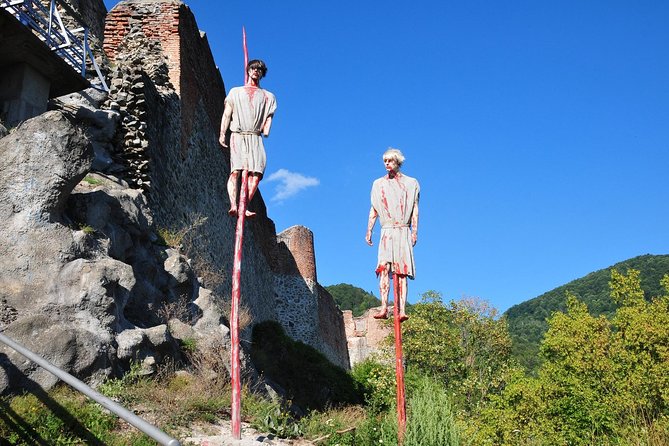
Day two takes you to Poienari Castle, the ruined fortress linked closely to Vlad Tepes. The visit lasts about an hour and includes admission.
Poienari is not the polished, easy-access castle many people picture when they hear Dracula. It is an old fortress ruin, and its value lies in the connection to Vlad’s own rule. The site helps shift the focus away from Bram Stoker and toward the real Wallachian prince who inspired parts of the legend.
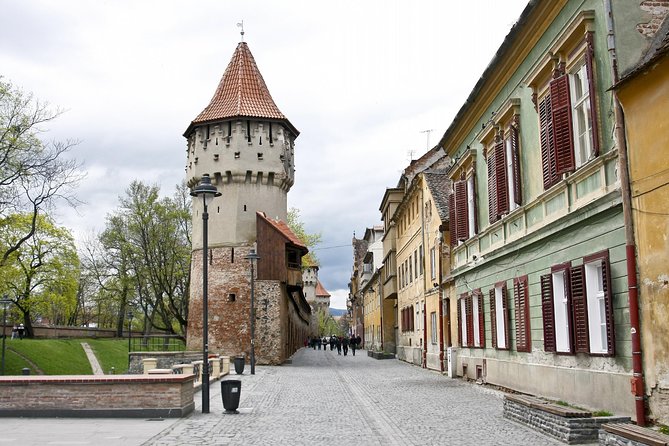
The day continues to Sibiu, where you tour the fortified historic town. Sibiu gives the trip a welcome change of pace. Instead of another isolated fortress, you get an urban setting shaped by medieval defensive walls, civic buildings, and Saxon influence.
The schedule is well judged in concept: a Vlad site in the morning, then a historic city in the evening. Still, the road time between stops can make this a tiring day. Bring water and keep your camera ready, but do not expect every transfer to feel short.
Day 3: Gothic drama at Corvin Castle and salt below Turda
Day three has one of the most varied combinations in the program. In Hunedoara, you visit Corvin Castle, also called Corvinesti or Castelul Corvinilor. It is described as Romania’s greatest Gothic-style castle, and the one-hour visit is included.
This is an important stop for anyone who wants more than Dracula branding. Corvin Castle has its own strong medieval identity, with towers, stonework, and a dramatic appearance that suits the mood of the tour without needing a vampire story attached to it.
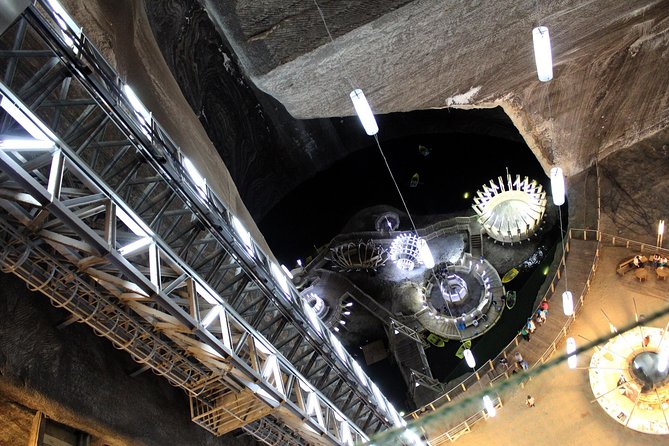
Next comes Turda, a small town with a medieval atmosphere and one of Romania’s old salt mines. At Salina Turda, you go underground into the mine for about an hour, with admission included.
The salt mine gives the day a welcome change from castles and fortified towns. You are not simply hearing another account of Vlad or Dracula. You are seeing a major industrial and geological site that shows another side of Romania’s past.
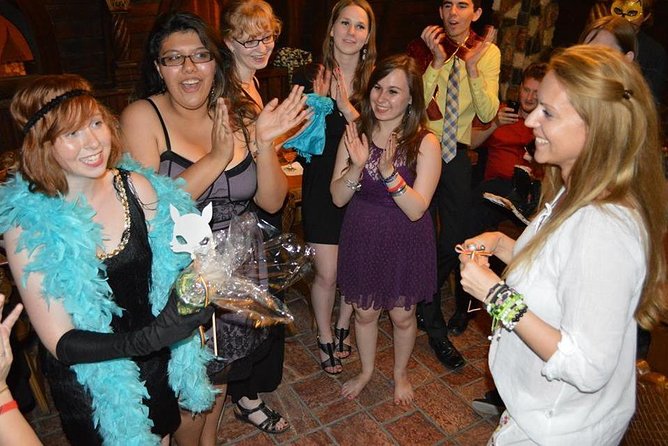
Dinner in Turda includes a vampire menu, followed by the special Ritual of Killing of a Living Dead. The event takes place only when at least four people are in the group. Since the tour can carry up to 50 participants, the atmosphere may be intimate on one departure and more public on another.
You should think of the ritual as themed entertainment rather than a historical reenactment. That is not a criticism. It is part of the fun, especially after a day spent in castles and underground chambers. If your interest is strictly archaeological or historical, this may feel like the most staged part of the week.
The night is spent near Borgo Pass at a three-star hotel built in line with Bram Stoker’s imagined setting. This is one of the most direct links to the novel, and it gives the tour a memorable Dracula-themed overnight stop. The accommodation category is lower than the four-star hotels used on three nights, so expectations should stay realistic.
Other trips to Dracula's castle from Bucharest:
- Bucharest: Day Trip to Dracula Castle, Peles Castle & Brașov
★ 4.4 · 3,049 reviews - Bucharest to Dracula Castle, Peles Castle and Brasov Guided Tour
★ 4.5 · 2,933 reviews - Dracula’s Castle, Peles Castle and Brasov Day Trip from Bucharest
★ 4.5 · 1,804 reviews - Transylvania and Dracula Castle Full Day Tour from Bucharest
★ 4.5 · 1,589 reviews
Day 4: Cluj-Napoca and the road to Bistrita
The route continues to Cluj-Napoca, where you take a city tour lasting about an hour. The program points to medieval buildings such as Saint Andrews Cathedral.
Cluj adds an urban and cultural break after the castle and salt-mine stops. The visit is fairly short, so you should see it as an introduction rather than a full exploration of the city. The same applies to the drive toward Bistrita and Borgo Pass, following the path associated with Jonathan Harker in Stoker’s novel.
This is where the tour’s two subjects meet most clearly. The road links a fictional character to real towns and mountain routes, while your guide can explain how a novel turned parts of Transylvania into an international symbol of horror.
The day is also a reminder that this is a moving tour. You change locations often, and the reward is a wide look at the region. The tradeoff is that you do not settle into one base for several nights.
Day 5: Three hours in the medieval citadel of Sighisoara
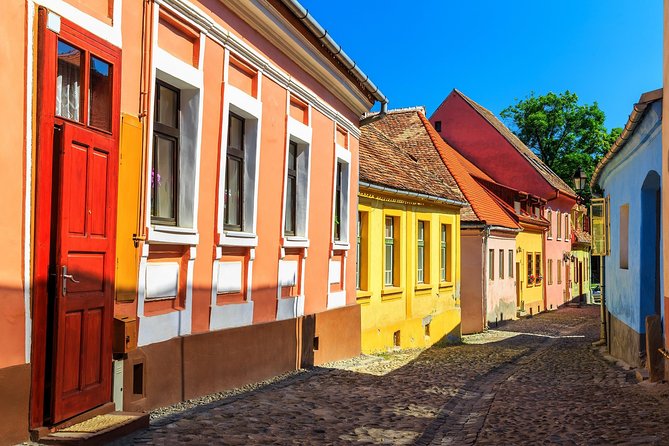
Sighisoara is one of the strongest stops for understanding the real setting behind the Dracula image. The medieval citadel is a UNESCO World Heritage Site, and the program gives you about three hours there.
That is a useful amount of time. You can walk through the historic center without treating it as a quick photo stop, and you have room to notice the town’s streets, defenses, and old civic buildings.
The Clock Tower is included, with about an hour set aside for the visit. It was once used for council meetings and for storing the town’s archive and treasury. This practical detail helps you see the tower as part of the city’s government and defense system, not just a picturesque landmark.
Sighisoara is also linked to Vlad Tepes in the wider Dracula story. The town helps you compare the real medieval prince with the supernatural character created centuries later. That contrast is one of the tour’s best educational threads.
Day 6: Bran Castle, Brasov, and the famous Dracula image
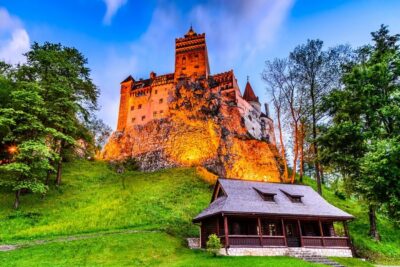
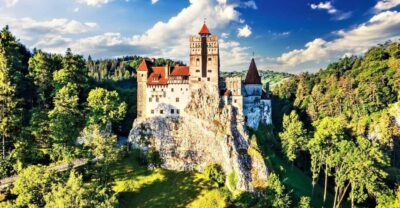
Bran Castle is the tour’s headline stop. It is Transylvania’s best-known Dracula symbol, even though its connection to Bram Stoker’s fictional castle is largely a matter of later association and atmosphere.
You have about two hours to explore the castle, with entry included. The building’s setting and design make it easy to understand why it became attached to the Dracula legend. At the same time, you should not arrive expecting a museum devoted only to vampires. The guide’s explanation is what helps you sort out the real castle from the popular image.
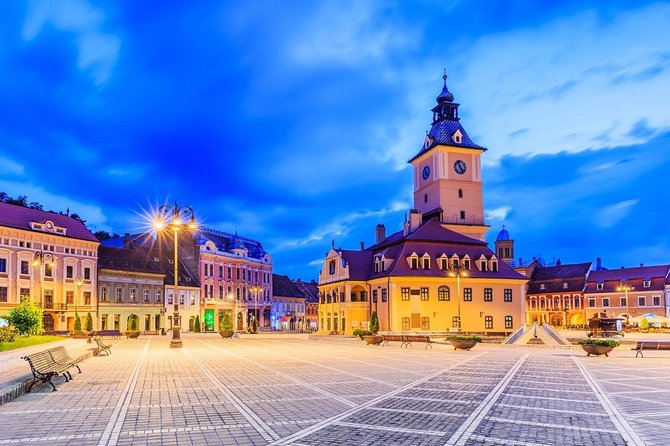
The afternoon continues in Brasov, a medieval Saxon city with a historic center and defensive works built between the 15th and 17th centuries. Two hours are set aside for the historic center.
This pairing works well. Bran supplies the famous name, while Brasov gives you a broader view of how towns in the region developed, defended themselves, and traded. I like that the program does not rush straight from Bran back to Bucharest. Brasov gives the day more substance.
Day 7: Peles Palace, Targoviste, and the return to Bucharest
The last day begins with a drive to Sinaia and a visit to Peles Palace. The royal palace is one of the tour’s included highlights, with about an hour for the visit.
Peles shifts the tone again. After ruins, fortresses, medieval towns, and vampire lore, you see a royal residence connected to a later period of Romanian history. It helps prevent the trip from becoming a single-theme fantasy tour.
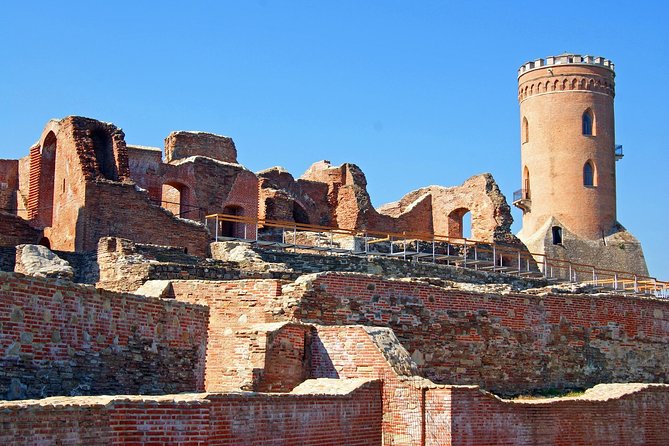
The final historic stop is Targoviste, the former capital of Wallachia. You visit the ruins of Vlad Tepes’s old court, with entry listed as included. Targoviste brings the real ruler back into focus before the trip ends.
Return to Bucharest is expected after 7:00 pm, with the stated hotel drop-off window around 5:00 to 7:00 pm. Since the timing depends on the road and the day’s schedule, do not plan an important evening flight or fixed appointment in Bucharest.
What the $1,685.87 price covers
At $1,685.87 per person, this is not a budget way to see Romania. The price makes more sense when you count what is included: six hotel nights, six breakfasts, two dinners, air-conditioned transport, an English-speaking guide, the special Turda event, and admission to the listed attractions.
You receive three nights in four-star hotels and three nights in three-star hotels, all described as centrally located. The mix is sensible for a route that includes both regular city stops and the Dracula-themed overnight near Borgo Pass.
The included meals are helpful but not full-board travel. You get a welcome dinner, the vampire menu dinner in Turda, and six breakfasts. Lunches, drinks, extra meals, photo and video fees, and anything not listed are outside the price.
The real value is convenience. You are paying to have a route across Bucharest, Wallachia, Transylvania, and several major towns organized for you. If you prefer independent rail travel and choosing your own hotels, the price may feel high. If you want one booking to handle a complicated week of road travel, it is easier to justify.
Who will enjoy this route most
I would recommend this tour to you if you like Dracula literature, medieval castles, and the historical figure of Vlad Tepes in equal measure. It also suits people who want Romania’s major highlights without managing several separate transfers.
The route is especially good for first-time visitors who want structure. You will see famous places, receive English-language guiding, and sleep in the towns rather than return to Bucharest every night.
You should think twice if you dislike long drives, changing hotels, or themed entertainment. The living-dead ritual is a central selling point, but it will not appeal to everyone. Also remember that the tour is non-refundable and cannot be changed after booking, except when the operator cancels because the minimum group size is not met.
The tour is generally suitable for most participants, and service animals are allowed. Children must be accompanied by an adult. A vegetarian meal option is available if requested at booking.
Practical details before you reserve
Pickup is from Moxa Bucharest Boutique Hotel, and the scheduled start is 10:00 am. You can show either a paper or electronic voucher.
The vehicle may be a coach, minibus, or car, depending on group size. With a maximum of 50 people, the pace and personal feel can vary. A smaller departure may make questions and conversation easier, while a full group may feel more like a standard escorted tour.
There is no accommodation included on the final night in Bucharest. Plan your own room if you are staying after the return, and do not assume the last evening includes a hotel.
Should you book the seven-day Dracula tour?
Book it if you want the full story, not just Bran Castle. The strongest reason to go is the range: Snagov and Poienari for Vlad, Corvin Castle and Peles for architecture, Sighisoara and Brasov for medieval towns, Turda for the salt mine, and Bran for the world-famous Dracula association.
Skip it if you want a slow holiday based in one city or a strictly serious history program. The route moves often, the price is substantial, and the Turda ritual adds a theatrical note.
For the right person, this is a practical way to connect Romania’s real places with one of Europe’s most durable legends. Just leave room in your expectations for both: the documented past and the wonderfully exaggerated vampire story.
FAQ
Where does the tour start?
The tour starts at Moxa Bucharest Boutique Hotel, 129 Calea Victoriei, corner of 2-4 Mihail Moxa Street, Bucharest. The scheduled start time is 10:00 am.
How long does the tour last?
The tour lasts approximately seven days and returns to Bucharest on the final day, usually after 7:00 pm.
Is hotel pickup available?
Pickup is offered from Moxa Bucharest Boutique Hotel. The listed meeting point is also the tour’s starting point.
Which meals are included?
Six breakfasts and two dinners are included. The dinners are a welcome dinner and a vampire menu dinner in Turda.
Is the Ritual of Killing of a Living Dead guaranteed?
The ritual takes place for groups of at least four participants. The tour information does not promise it for smaller groups.
Are attraction admission fees included?
Admission is included for Snagov Monastery, Targoviste Citadel, Peles Palace, Bran Castle, Turda Salt Mines, Poienari Citadel, and Corvin Castle in Hunedoara.
What type of accommodation is included?
The package includes three nights in centrally located four-star hotels and three nights in centrally located three-star hotels.
Can I cancel the booking?
No. This experience is non-refundable and cannot be changed for any reason. If the operator cancels because the minimum number of participants is not reached, you can receive a full refund or choose a different date or experience.
Just added around Bucharest
- Winery touring & private wine tasting – one day private tour★ 5.0 · 3 reviews
- Village Museum Bucharest Guided Tour★ 5.0 · 6 reviews
- Bucharest: Dealu Mare Winery Private Trip with Wine Tasting★ 4.9 · 6 reviews
- Traditions in Bucharest: Village Museum and Wine Tasting★ 5.0 · 8 reviews
- Transylvania Tour: Dracula’s Castle, Peles Palace & Brasov★ 5.0 · 19 reviews
- Airport Henri Coanda (Otopeni) to Bucharest – Private Transfer – Driver★ 5.0 · 5 reviews
- Discover Medieval Transylvania Small Group Tour – 7 days★ 5.0 · 4 reviews
- Bucharest Airport Transfer To Constanta Mamaia★ 5.0 · 3 reviews
Dracula & Bran Castle Tours, compared.
Dracula’s Castle, Peles Castle, & Brasov Old Town
Read our review →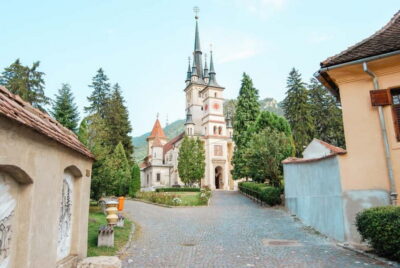
Dracula’s Castle, Peleș Castle & Brașov Day Trip
Read our review →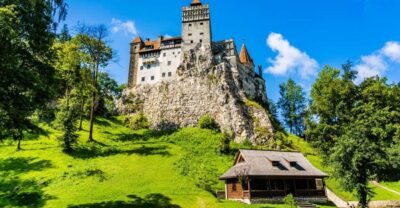
Day Trip to Dracula Castle, Peles Castle & Brașov
Read our review →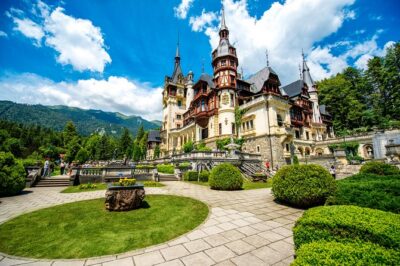
Bucharest to Dracula Castle, Peles Castle and Brasov Guided Tour
Read our review →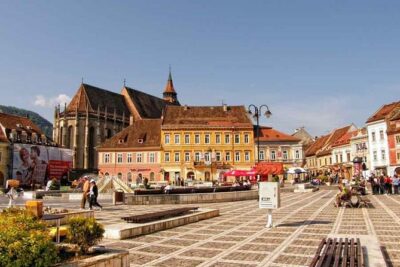
Dracula’s Castle, Peles Castle and Brasov Day Trip from Bucharest
Read our review →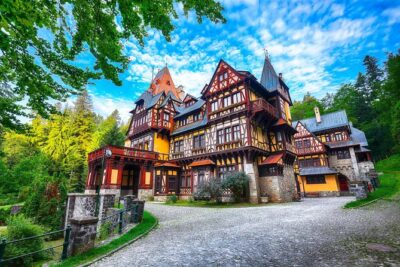
Transylvania and Dracula Castle Full Day Tour from Bucharest
Read our review →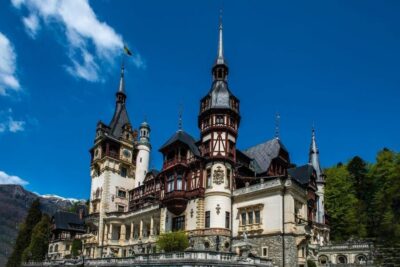
Peles Castle, Bran Castle, & Brasov Old Town Tour
Read our review →Browse the lists this tour appears in