
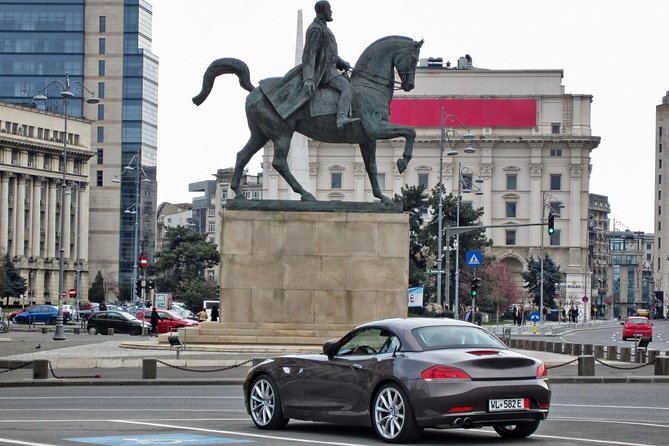
Reviewed · TRANSYLVANIA DAY TRIPS
5 Days Private Tour in Romania from Bucharest to Transylvania
The most striking thing about this five-day route is its range. In one trip, you move from Bucharest’s communist-era monuments to a ruined fortress reached by 1,480 steps, then on to Saxon villages, medieval citadels, royal castles, and the mountain bends of Transfagarasan Highway. It is a lot of Romania in a short time.
I like the private format, which lets you adjust the daily plan with your guide, and I like the mix of major sights and smaller historic places such as Biertan. The main catch is cost: at $1,488.35 per person, before your hotels, meals, and admission tickets, this makes the most sense for people who value a dedicated car and guide over the lower price of a group tour.
Key points to know before booking
- Bucharest begins with modern political history: The Palace of Parliament and Revolution Square explain Romania’s communist past through the buildings where power was concentrated.
- The mountain day is physically demanding: Poienari Castle requires a climb of 1,480 stairs, while the Transfagarasan section depends on suitable access conditions.
- The private car saves time: Your group travels alone, with Wi-Fi, fuel, parking, tolls, and a licensed English-speaking guide and driver included.
- Transylvania is more than Dracula: Sibiu, Biertan, Sighisoara, and Brasov bring medieval towns, Saxon architecture, churches, and local food into the trip.
- The price is not all-inclusive: Accommodation, meals, drinks, attraction tickets, and some photo fees are paid separately.
- The route returns to Bucharest: The final day includes Peles Castle, Sinaia Monastery, and Snagov Monastery before the tour finishes in the capital.
Why this route works for a first look at Romania
This is a road trip built around contrast. Bucharest can feel sprawling and modern, while Transylvania offers stone walls, church towers, wooded mountain roads, and town squares that reward walking. The itinerary gives you both sides of the country instead of treating Romania as only a Dracula destination.
You also get useful historical range. The first day focuses on monarchy, communism, revolution, architecture, and the old commercial center. Later days shift toward Wallachian rulers, Transylvanian Saxons, Romanian royalty, and Orthodox religious sites.
I especially like that the route includes Biertan and Sighisoara alongside the famous castles. Bran Castle draws the crowds, but Biertan’s fortified church and Sighisoara’s still-inhabited citadel offer a better sense of how medieval communities actually functioned.
The schedule is full. You spend several hours on the road each day, and some stops have fixed visiting times while others are walking visits. The private vehicle helps, but you should still expect an active tour rather than a slow holiday with long afternoons at the hotel.
Other days across Transylvania from Bucharest:
- Transylvania and Dracula Castle Full Day Tour from Bucharest
★ 4.5 · 1,589 reviews - Castles of Transylvania: Private Day Trip from Bucharest
★ 4.5 · 248 reviews - 2-Day Medieval Transylvania with Brasov,Sibiu and Sighisoara Tour from Bucharest
★ 4.5 · 145 reviews
Bucharest: Parliament, revolution, and old streets
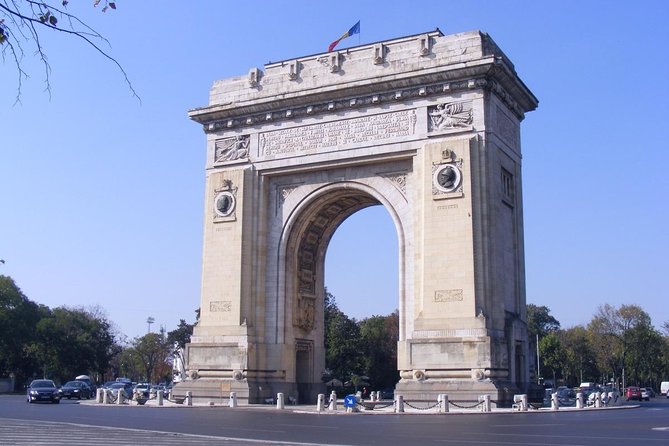
The first day begins with the Palace of Parliament, also known as the People’s House. The one-hour visit is less about decorative detail than scale and political meaning. You see what Nicolae Ceausescu’s dictatorship built at enormous cost, and your guide can explain how the building reflects the excess and control of Romania’s communist period.
Admission is not included, so you should budget for the ticket. The same applies to some of the other major sights on the route. Ask Nicolas Experience Tours for the current entrance arrangements when you book, since the tour price covers the guide’s admissions but not your own.
From there, the route moves into Bucharest’s Old Town. Hanul lui Manuc is a useful starting point because it was once a fortified inn and a meeting place for merchants. Its story gives the historic center more substance than a simple stroll past cafés and souvenir shops.
Revolution Square adds the political chapter. The former Central Committee building is tied to the December 1989 uprising that removed Ceausescu from power. This is one of the better places to hear how Romania changed from communist rule to a new political era, especially when the guide connects the buildings to the events that took place there.
The Romanian Athenaeum provides a very different mood. Its exterior is one of Bucharest’s best-known architectural symbols, and its European Heritage designation reflects its cultural importance. The visit is listed at 30 minutes, with admission extra.
Calea Victoriei ties the morning together. Along this avenue, you see royal buildings, churches, museums, shops, theaters, restaurants, the CEC Palace, and sites linked to communist power. That mixture is the point. Bucharest is not a single-style city, and the best way to understand it is to notice how different eras sit close together.
The listed stops also include the Centrul Shakti area, another chance to walk through the historic center and pause for food or a drink. The exact balance between sightseeing and stops can be adjusted because the tour is private.
Curtea de Arges and the 1,480-step climb
Day two leaves Bucharest for Curtea de Arges, Poienari Castle, the Transfagarasan Highway, and Sibiu. The first stop, Curtea de Arges Monastery, combines royal burial sites, religious art, and the ruins of the old Wallachian princely court. You also see the 13th-century Royal Church.
The monastery has a dramatic building story centered on sacrifice, which your guide can explain on site. Admission is not included. Allow about 45 minutes, enough for a focused visit rather than a long wander through the town.
Poienari Castle is the day’s physical test. This ruined fortress is linked to Vlad the Impaler, the historical ruler associated with the Dracula story. Reaching it requires climbing 1,480 stairs, and the scheduled stop lasts around two hours.
You should take this seriously when choosing the tour. Poienari is not a quick roadside photo stop. The reward is the setting and the connection to Vlad, but the climb may not suit every member of your group. The private format helps because your guide can explain the site and adjust the pace, yet the stairs themselves remain unavoidable.
After Poienari comes the Transfagarasan Highway. The road is famous for its mountain views and sweeping curves, and the two-hour visit is meant for scenery rather than a single monument. In the right season, you can expect fresh mountain air, forests, and high-country views. Seasonal conditions matter, so ask about the road section when confirming your dates.
The day ends in Sibiu’s Big Square. Sibiu’s 900-year story and its former European Capital of Culture status give the evening a strong cultural finish. The old center, Evangelical Cathedral, and square are best handled on foot.
This is a long day, but the transitions make sense. You move from Wallachian religious and political history into mountain scenery, then finish in a polished Transylvanian city.
Biertan and Sighisoara: the medieval core of the tour
Day three is one of the most rewarding parts of the route because it focuses on places that feel more grounded than the better-known Dracula attractions.
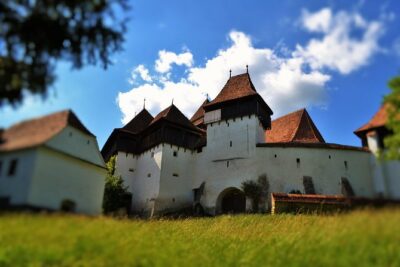
Biertan’s fortified church sits on a hill in the center of town, surrounded by three defensive walls and seven bastions. The church belongs to the UNESCO World Heritage listing, and the two-hour stop gives you time to understand why the settlement was fortified and how the church served the surrounding Saxon community.
The local story about only one divorce in three centuries is memorable, but the architecture matters more. Biertan shows how religion, defense, and village life could occupy the same compact space. It is also a good counterpoint to the castles, since the focus is on a community rather than a single ruler.
Sighisoara brings a larger medieval setting. Its citadel dates to the 12th century, with cobbled streets, gates, thick stone walls, and towers. The historic center remains inhabited, which gives it more life than a preserved monument that closes at the end of the day.
The town is also associated with Vlad the Impaler’s birthplace, though the place works best when you treat the Dracula connection as one part of the story rather than the whole reason to visit. The three-hour stop allows time for a proper walk through the citadel.
Some admission fees are extra, including at these historic sites. Wear comfortable shoes, since cobblestones and inclines are part of the experience. You will get more from Sighisoara if you leave room to look upward at the towers and building details instead of rushing from one named sight to the next.
Other five-day trips from Bucharest:
- Off Road Adventures in Wild Carpathians – 5 Days
★ 5.0 · 13 reviews - Private 5-Day Tour in Transylvania from Bucharest Hotel Pick-up and Drop off
★ 4.5 · 11 reviews - Transylvania Region In-Depth (5 Days Private Tour from Bucharest)
★ 5.0 · 4 reviews - 5-Day Private Dracula’s Legends Tour from Bucharest
★ 5.0 · 4 reviews
Brasov and Bran Castle, myth beside local life
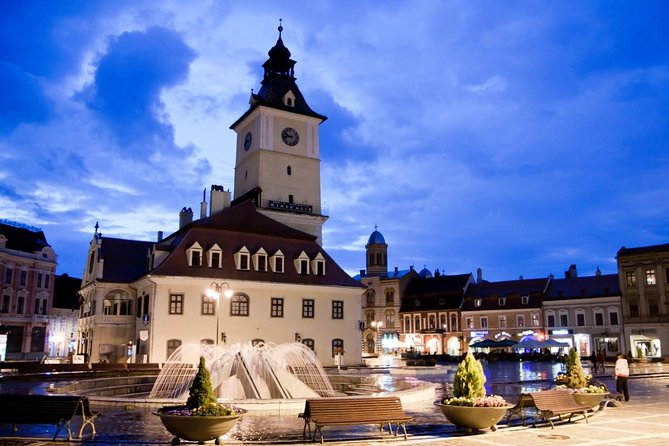
Brasov gives you a larger town and a chance to slow down. The three-hour visit covers the historic center, the old square, the Black Church, and sections of the medieval walls. You also receive free time for a café, which is welcome after two days of road travel and walking.
The Black Church is the key landmark, but the pleasure of Brasov lies in the way the streets, square, walls, and mountain setting work together. The evening meal is not included, yet the itinerary recommends a local restaurant where you can try Transylvanian food.
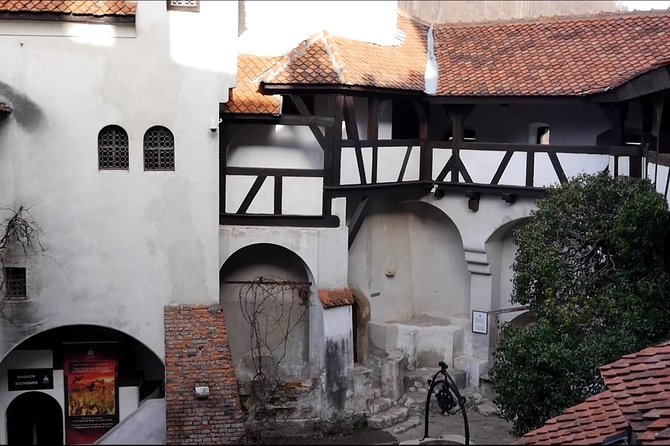
Bran Castle follows, with about two hours scheduled. The castle’s Dracula reputation comes mainly from its resemblance to the fictional setting associated with Bram Stoker’s novel. The historical connection to Vlad the Impaler is much less direct, so keep your expectations straight: this is a castle wrapped in Dracula imagery, not a confirmed home of the fictional count.
That distinction does not make Bran uninteresting. The castle’s position and rooms are worth seeing, and the visit gives you a chance to separate popular legend from Romanian history. Admission is extra.
Outside the castle, you can sample traditional foods such as handmade cheeses, pálinka, and locally produced ham and sausages. These tastings add a useful food element to a day otherwise focused on architecture.
Brasov and Bran are likely to be among the more popular stops on the route. If you prefer quieter places, Biertan may appeal to you more. If you want the most recognizable Dracula stop, Bran is the one that delivers it.
Peles, Sinaia, and the final return to Bucharest
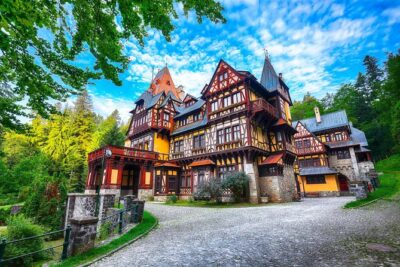
The final day opens at Peles Castle, the former summer residence of Romania’s royal family. The castle took 41 years to build, from 1873 to 1914, and the two-hour visit gives you time to appreciate its decorative interiors and mountain setting.
Peles is one of the strongest architectural stops on the route. It feels very different from Bran: more refined, more closely tied to the Romanian monarchy, and less dependent on popular fiction. Admission is not included, and photo fees may apply at some sights.
Sinaia Monastery follows for about 45 minutes. The fortified monastery offers a quieter stop, with Orthodox religious art and a chance to hear more about the spiritual and royal importance of Sinaia. It is a useful change of pace after the castle.
The last stop is Snagov Monastery, reached during a 90-minute visit. The site is linked to the disputed story that Vlad Tepes’s remains were secretly brought there and buried in front of the altar. The story is controversial, which makes it a good final chapter for a tour that repeatedly separates documented history from legend.
Snagov also brings the trip back toward Bucharest and completes the circle. You begin with the capital’s modern political story and finish with a medieval ruler whose name became part of a worldwide myth.
What the private format adds

The tour includes a private tourism car or minibus for your group, an English-speaking licensed guide and driver, wireless internet, fuel, parking, and road tolls. The guide’s accommodation and meals are also covered.
That arrangement matters on a route with many changes in scenery. You are not waiting for unrelated pickups, and the itinerary can be changed after the tour starts. Nicolas is identified as the guide in the supplied information, and the tour company can also provide a comfortable minivan with a child seat.
The private approach has been used for different kinds of trips, including family travel and more active routes involving hiking and caves. One solo woman specifically chose the service for added safety while touring from Bucharest through Transylvania. Those details suggest that the format can work for families, small groups, and people who want a local driver-guide rather than a large coach.
Still, flexibility does not make the trip leisurely. You cover a large area in five days, with several two- and three-hour sightseeing blocks. If you want time for museums, long meals, or independent wandering in every town, you may need a slower itinerary.
Is $1,488.35 per person good value?
The price is high if you compare it with a basic group bus tour. It becomes more reasonable when you count the private vehicle, driver-guide, fuel, parking, tolls, Wi-Fi, and the ability to alter the route for your own group.
The price does not include your accommodation, meals, drinks, entrance tickets, or photo fees. The company recommends and can book hotels and meals, but those costs remain separate. You need to add them before comparing the total with other five-day packages.
For a couple or family that values privacy, the price may be easier to justify. For a solo visitor, it is a much larger spend unless having a private guide and car is a top priority.
Group discounts are available, which can improve the per-person value for a larger party. Free cancellation is available up to 24 hours before the start time, while later cancellations and last-minute changes are not accepted.
Who should book this Romania tour?
I would choose this trip if you want Romania’s major sights in one connected route and prefer a guide to handle the driving. It suits people who want history explained on the road, families who need a private vehicle, and small groups that want control over the pace.
You should think twice if you dislike long drives, have difficulty with many stairs, or want entrance fees and hotels folded into one simple price. Poienari is the clearest physical challenge, while the number of castles and fortified churches may feel repetitive if you are not interested in architecture or history.
For most first visits, the route has a strong balance. Bucharest gives you the modern political story, Transylvania supplies the medieval towns, and Peles and Sinaia add royal and religious detail. I would book it for a small group that wants a broad, efficient introduction to Romania, but I would confirm seasonal access to the Transfagarasan Highway and request a full estimate for lodging, meals, and tickets before paying.
FAQ
What is included in the five-day Romania tour?
The tour includes a private car or minibus, a licensed English-speaking guide and driver, Wi-Fi in the vehicle, fuel, parking, road tolls, and the guide’s accommodation and meals.
Are hotels included?
No. Your accommodation is not included, although the company recommends and can book accommodation for you.
Are meals and drinks included?
No. Your meals and beverages are separate costs. A dinner in Brasov and local food tastings near Bran Castle are part of the suggested experience, but you pay for them yourself.
Are entrance tickets included?
No. Entrance fees for the listed attractions are not included. Some attractions also charge separate photo fees.
Is this a private tour?
Yes. Only your group participates, and the vehicle is reserved for you and your friends or family.
Can the itinerary be changed?
Yes. The tour offers flexibility for changes to the daily itinerary, including after the tour has started.
How difficult is the Poienari Castle visit?
The climb to Poienari Castle involves 1,480 stairs, with about two hours scheduled for the stop. You should be comfortable with a substantial stair climb before booking.
Does the tour include the Transfagarasan Highway?
Yes. The itinerary includes about two hours on the Transfagarasan Highway, with access depending on suitable seasonal conditions.
Where does the tour begin and end?
The tour begins in Bucharest and follows a loop through Transylvania before returning to Bucharest.
Just added around Bucharest
- Winery touring & private wine tasting – one day private tour★ 5.0 · 3 reviews
- Village Museum Bucharest Guided Tour★ 5.0 · 6 reviews
- Bucharest: Dealu Mare Winery Private Trip with Wine Tasting★ 4.9 · 6 reviews
- Traditions in Bucharest: Village Museum and Wine Tasting★ 5.0 · 8 reviews
- Transylvania Tour: Dracula’s Castle, Peles Palace & Brasov★ 5.0 · 19 reviews
- Airport Henri Coanda (Otopeni) to Bucharest – Private Transfer – Driver★ 5.0 · 5 reviews
- Gems of Transilvania: Brasov,Sighisoara,Sibiu,Viscri and more★ 5.0 · 6 reviews
- Discover Medieval Transylvania Small Group Tour – 7 days★ 5.0 · 4 reviews
Transylvania Day Trips, compared.
Transylvania and Dracula Castle Full Day Tour from Bucharest
Read our review →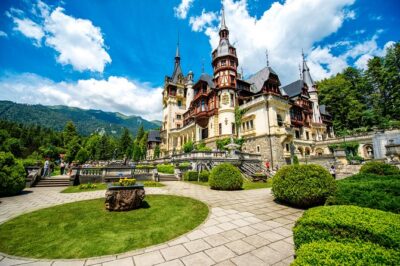
2-Day Medieval Transylvania with Brasov,Sibiu and Sighisoara Tour from Bucharest
Read our review →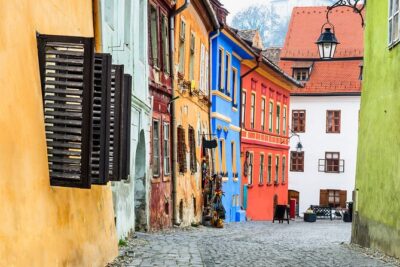
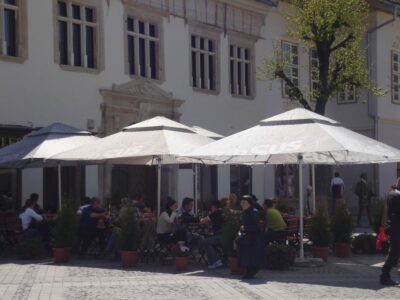
SB01 – City Tour Sibiu: Exploring the Heart of Transylvania
Read our review →
Day trips and excursions in nature, cities in Transylvania, Brasov!
Read our review →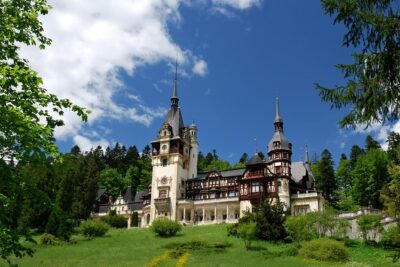
2-Day Transylvania from Bucharest: Brasov, Bran, Sighisoara
Read our review →
4-Day Private Tour in Transylvania from Bucharest
Read our review →Browse the lists this tour appears in