
Reviewed · COMMUNISM & CEAUȘESCU TOURS
Bucharest: Communist Tour including Ceausescu Residence
Bucharest’s communist story makes the most sense when you see both sides of it: the monumental buildings built for power and the plain worker housing built for daily life. This seven-hour tour links metro stations, a working-class neighborhood, the Palace of the Parliament, and the Ceausescu family’s private home at Spring Palace.
I like the wide range of stops, which helps you connect politics with ordinary life. I also like the hotel pickup and private-group format, since moving between scattered sites by car or minibus saves time and energy.
The main caution is that this is a serious, history-heavy day, not a light sightseeing loop. Parliament visits can involve delays, and one booking specifically expected access to a bunker that was not provided. Confirm exactly what your visit includes before paying $256.
Key points at a glance
- Metro stations first: See practical communist-era construction before moving on to grander symbols of power.
- Worker housing included: Visit a neighborhood created for the working class and consider how urban planning shaped daily life.
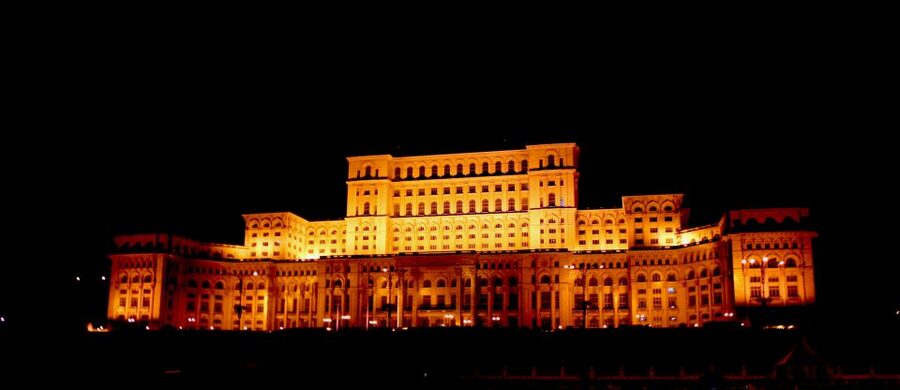
- Parliament tells the grand story: Learn about Ceausescu’s plan to rebuild Bucharest, known as Project Bucharest.
- Spring Palace feels personal: Visit the former residence of Nicolae and Elena Ceausescu rather than seeing only public monuments.
- Guiding is a major strength: Claudia received special praise for clear English and strong knowledge of Bucharest and the Ceausescu period.
- Plan around access rules: Spring Palace opens Wednesday through Sunday, and the tour is not suitable for wheelchair users or people with mobility impairments.
Why this tour works as a Bucharest history lesson
Many Bucharest sightseeing trips focus on elegant old streets, churches, and cafes. This one takes a different route. It asks you to look at the city shaped by Romania’s communist government, especially the years under Nicolae Ceausescu.
That matters because communist Bucharest is not confined to one museum. It appears in the transport system, apartment blocks, broad roads, government buildings, and private residences. You see how the same political system could produce both basic housing for workers and extravagant rooms for the ruling family.
The day also gives you a useful contrast. The metro stations and residential district show function and control. The Palace of the Parliament shows scale and authority. Spring Palace brings the story down to the level of one family, with the rooms and possessions connected to Romania’s former leaders.
I find that structure more useful than visiting the Parliament alone. A huge building can impress you without explaining much. Here, the earlier stops give you a better frame for understanding why it was built and what it meant.
More of the communist years around Bucharest:
- Bucharest: Palace of Parliament Tickets and Guide
★ 4.3 · 3,182 reviews - Bucharest: Palace of Parliament Tickets and Guided Tour
★ 4.4 · 1,877 reviews - Bucharest: Parliament Palace Skip-the-line Ticket
★ 4.2 · 1,518 reviews
Starting at the communist-era metro stations
Your guide picks you up at your hotel reception, then takes you to several metro stations built during the communist period. This is a smart opening because it begins with something practical and familiar rather than a grand monument.
The metro system reflects the state’s effort to reshape Bucharest for a growing urban population. You can look at the stations as pieces of public infrastructure, but your guide also connects them to the wider plan for the capital. Details about the stations may vary with the route, so ask questions about their construction, purpose, and connection to Ceausescu’s rebuilding program.
This part of the tour is especially useful if you want to see parts of the city you would probably pass without stopping. One earlier itinerary also included a ride on an old metro train built during the Ceausescu period, though you should confirm the exact route and transport arrangements when booking.
The metro visits are not grand attractions in the usual sense. That is their value. You get a look at the everyday city rather than only the official one.
Seeing where working people lived
Next, you visit a neighborhood built by the Romanian dictator for the working class. This stop gives the tour its human scale.
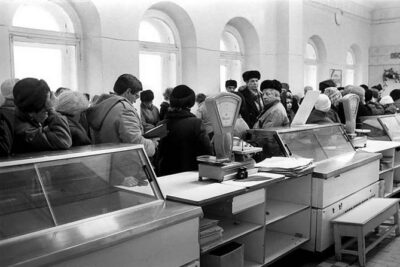
Communist housing districts were designed around a strong central plan. Apartment blocks, transport links, and shared facilities were part of a larger effort to organize city life. Your guide explains how people lived in these areas and how the housing fit into the government’s broader urban policy.
Do not expect a preserved museum district with displays in every building. The point is to see a functioning part of Bucharest and discuss what it meant to live there. That can be more revealing than a polished exhibition, though the experience depends heavily on your guide’s explanations.
I would use this time to ask about ordinary routines: housing, work, transport, and the gap between official promises and daily life. The supplied information does not specify which neighborhood you will visit, so ask for its name if you want to research it afterward.
This stop also helps balance the tour. Without it, the day could become too focused on Ceausescu and his buildings. With it, you are reminded that the city’s main story belongs to millions of people who lived under the system, not only its leaders.
Understanding the Palace of the Parliament
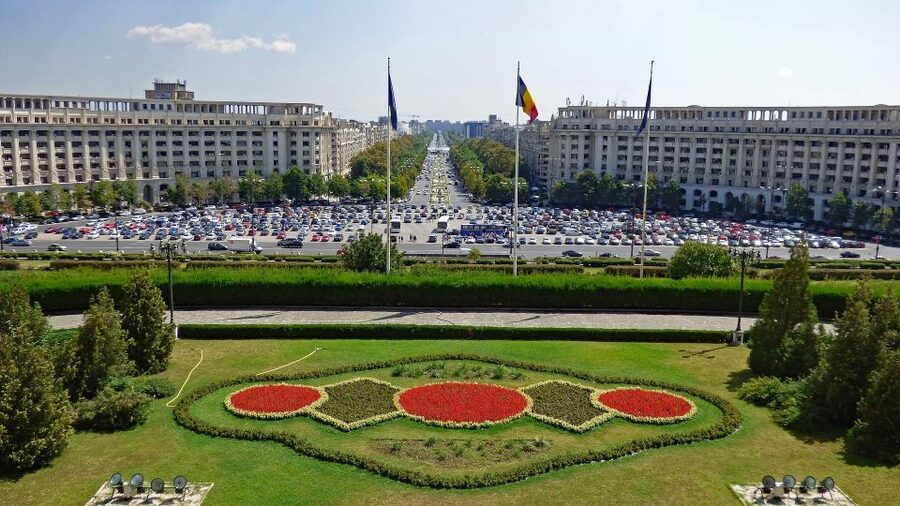
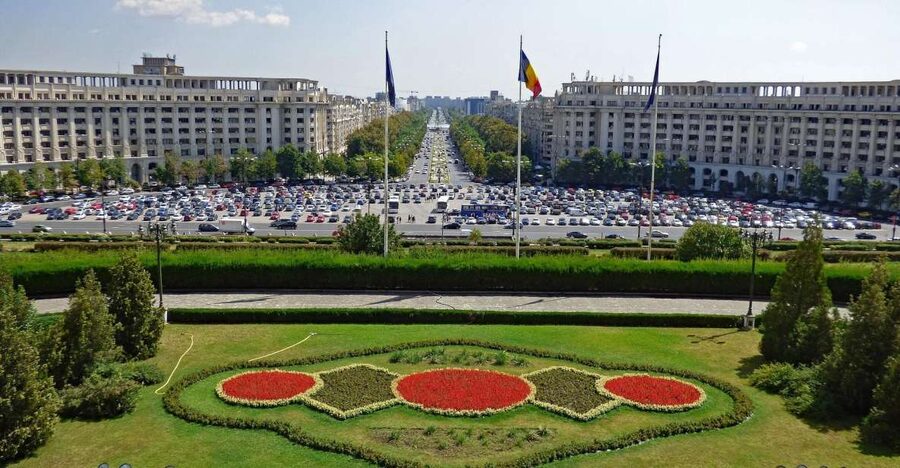
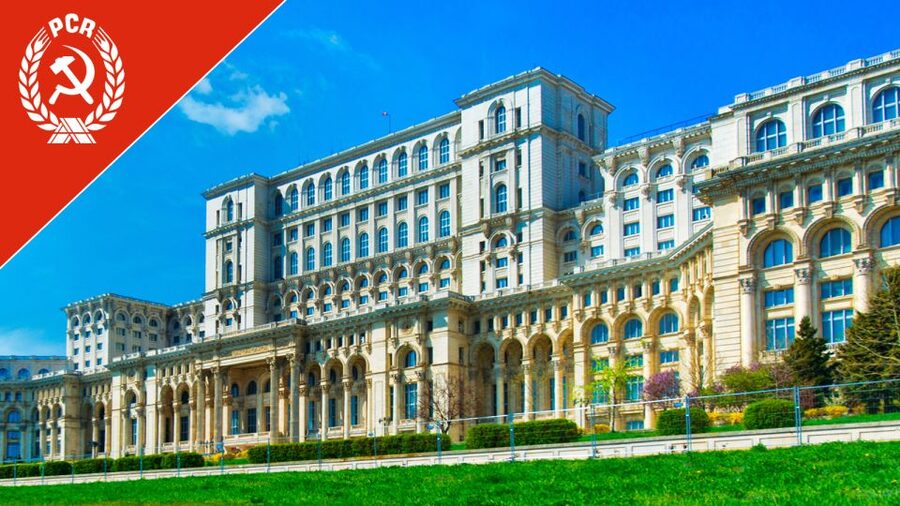
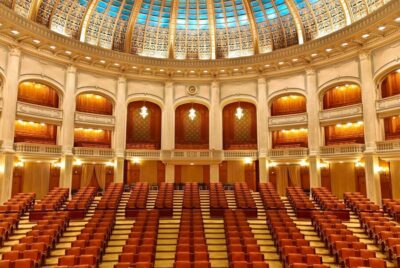
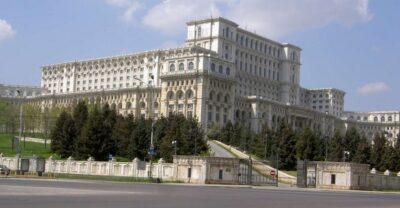
The Palace of the Parliament is the tour’s largest and most visually forceful stop. It was completed in 1997 and formed part of Ceausescu’s Project Bucharest, an ambitious plan to rebuild the capital.
The building is often discussed through its size and lavish materials, but the more important question is why it was created. Your guide places it within Ceausescu’s political vision and the sweeping changes made to the center of Bucharest. The building is a symbol of centralized power, planned urban change, and the resources directed toward a monumental project.
Inside, official site guides may add another layer of information. A strong guide, such as Claudia, can help connect those details to the wider story of communist Bucharest. Claudia received particular praise for clear English and for explaining both the city and the Ceausescu period in a way that was easy to follow. Marcel was also singled out as an enjoyable guide, while George received credit for being pleasant and helpful.
Allow time for delays. One booking involved a wait of more than an hour despite a fixed entry time. That is an important practical point when you are planning dinner, another tour, or an airport transfer.
Entrance to the Parliament is included, but the photography fee is not. If taking pictures matters to you, ask about the current fee before entering. Rules and access can change, so your guide or operator should confirm the details on the day.
The Parliament is not a quick photo stop. It is a large interior with a serious political story, and the visit may feel formal. I would pay close attention to the contrast between its public purpose and the hardship associated with the period in which it was built.
Same base, a completely different day:
- Bucharest: Dracula’s Castle, Peles Castle, & Brasov Old Town
★ 4.5 · 17,858 reviews - Bucharest: Dracula Castle, Peles Castle & Brasov Old Town
★ 4.6 · 10,891 reviews - Bucharest: Dracula’s Castle, Peleș Castle & Brașov Day Trip
★ 4.5 · 5,919 reviews - Bucharest: Day Trip to Dracula Castle, Peles Castle & Brașov
★ 4.4 · 3,049 reviews
The personal story at Spring Palace
The final destination is Spring Palace, or Palatul Primaverii, the former residence of Nicolae and Elena Ceausescu. This is where the tour moves from public architecture to private life.
The Parliament tells you how the state wanted to present itself. Spring Palace shows how the ruling couple lived behind closed doors. That contrast is one of the strongest reasons to choose this tour rather than a standard city sightseeing trip.
You can expect an interior visit focused on the Ceausescu family residence. The information provided does not promise access to a bunker, and one customer specifically complained that a requested bunker visit was not delivered. If that feature matters to you, get written confirmation before booking. Do not assume that a private residence tour automatically includes every restricted area.
Spring Palace is open Wednesday through Sunday from 10:00 AM to 6:00 PM. That schedule affects the whole day, so check the available starting times carefully. A tour scheduled outside those hours cannot include the residence as described.
I like ending here because the sequence works well. After seeing public infrastructure, worker housing, and the grand government building, you get a more intimate look at the family at the center of Romania’s dictatorship.
What the guide adds to the day
The guide is central to this experience. Much of the metro and neighborhood material will not explain itself, and the meaning of Parliament changes depending on how well the political background is presented.
The tour is offered in English, with Spanish, French, and German guides available on request according to the supplied details. Names connected with successful bookings include Claudia, Marcel, and George. Claudia was particularly praised for her clear English and strong command of the subject.
You should use the driving time to ask questions. The car or minibus is not only transport between attractions. It gives you a chance to ask how particular neighborhoods changed, what Project Bucharest involved, and how the Ceausescu family’s private world differed from everyday life.
The experience is advertised as a private group, but one booking involved 26 people, and larger groups may receive special discounts. Because the information also refers to shared trips and possible delays of up to 30 minutes, confirm the group arrangement before booking. A small private party and a large group will feel like different tours, even with the same route.
Transport, pace, and comfort
Hotel pickup at reception is a real advantage in Bucharest. The sites are spread across the city, and arranging taxis or public transport between all of them would take work. A modern car, minibus, or coach is provided, depending on the group.
Seven hours is long enough to cover the main stops without turning the day into a rushed checklist, but the pace will still be full. You move between several locations, enter two major buildings, and spend time outdoors and in transit.
Wear comfortable shoes. The tour is not suitable for wheelchair users or people with mobility impairments, so check the physical demands with the operator if you have any mobility concern. Pets are not allowed.
Lunch is not included, and personal expenses are extra. The supplied details do not identify a meal stop, so bring water and ask your guide how the day is timed if you need a proper break. The schedule can also shift if Parliament entry takes longer than expected.
Is $256 a fair price?
At $256 per person, this is not a bargain city tour. The value depends on how much you want a guided communist-history experience rather than a general introduction to Bucharest.
The price includes hotel pickup, transport, an English-speaking guide, the Parliament entrance, and the Spring Palace entrance. You are paying for a full day of coordinated travel and interpretation, not merely admission tickets.
For a larger group, the price may make more sense, especially if a discount applies for groups over 10 people. One booking had 26 participants and still covered a lot in a short period. For one or two people, $256 requires a stronger interest in the subject and a clear need for private transport.
I would compare the price with your priorities. If you want to understand Ceausescu’s Bucharest, avoid transport headaches, and see both official and private spaces, the package has real value. If you mainly want to photograph the Parliament from outside, it is too expensive.
Remember that photography at Parliament costs extra. Also confirm whether any special area, such as a bunker, is included. Clear expectations matter at this price.
Who should book this experience?
I would recommend this tour to you if you enjoy political history, architecture, urban planning, and guided city sightseeing. It is also a good choice if you have one full day in Bucharest and want to see several communist-era sites without arranging each transfer yourself.
It suits families, history-minded groups, and visitors who prefer a structured day. The private-group option can make it easier to ask questions and adjust the pace, though you should verify the actual group size.
It is less suitable if you want a relaxed day of cafes, old-town streets, and free time. The subject is serious, the itinerary covers a lot of ground, and Parliament access may involve waiting. It is also not appropriate for wheelchair users or people with mobility impairments.
Book at least 48 hours ahead. Spring Palace is closed to this itinerary on Mondays and Tuesdays because it can be visited Wednesday through Sunday only. Free cancellation is available up to 24 hours in advance, and the reserve-now, pay-later option gives you some flexibility.
Should you book the Bucharest Communist Tour?
Book it if you want the city explained through Ceausescu’s building projects and everyday housing, not just shown through famous landmarks. The combination of metro stations, a working-class neighborhood, Parliament, and Spring Palace gives you a fuller picture than any single stop can provide.
I would book with two checks first: confirm the group size and confirm exactly which areas of Spring Palace are included. If you are comfortable with a long, serious day and the $256 price, this is a strong choice for understanding communist Bucharest. If you need a low-cost tour or a flexible sightseeing day, choose something shorter.
FAQ
How long does the Bucharest Communist Tour last?
The tour lasts seven hours.
What places are included?
The route includes communist-era metro stations, a working-class neighborhood, the Palace of the Parliament, and Spring Palace, the former residence of the Ceausescu family.
Is hotel pickup included?
Yes. Pickup begins at your hotel reception.
What transport is provided?
Transport is provided by a modern, well-equipped car, minibus, or coach.
What language is the tour offered in?
The live tour is offered in English. Spanish, French, and German guides can be requested.
Are entrance fees included?
Entrance fees for the Palace of the Parliament and Ceausescu House are included. The photography fee at the Palace of the Parliament is not included.
When can Spring Palace be visited?
Spring Palace can be visited Wednesday through Sunday from 10:00 AM to 6:00 PM.
What should I bring?
Bring a passport or identity card and wear comfortable shoes.
Is the tour suitable for wheelchair users?
No. The tour is not suitable for wheelchair users or people with mobility impairments. Pets are also not allowed.
Just added around Bucharest
- Winery touring & private wine tasting – one day private tour★ 5.0 · 3 reviews
- Village Museum Bucharest Guided Tour★ 5.0 · 6 reviews
- Bucharest: Dealu Mare Winery Private Trip with Wine Tasting★ 4.9 · 6 reviews
- Traditions in Bucharest: Village Museum and Wine Tasting★ 5.0 · 8 reviews
- Transylvania Tour: Dracula’s Castle, Peles Palace & Brasov★ 5.0 · 19 reviews
- Airport Henri Coanda (Otopeni) to Bucharest – Private Transfer – Driver★ 5.0 · 5 reviews
- Gems of Transilvania: Brasov,Sighisoara,Sibiu,Viscri and more★ 5.0 · 6 reviews
- Discover Medieval Transylvania Small Group Tour – 7 days★ 5.0 · 4 reviews
Communism & Ceaușescu Tours, compared.

Parliament Senate Entry Tickets and Guided Tour
Read our review →
Bucharest Essential Tour: Old Town, Calea Victoriei & Communism
Read our review →Browse the lists this tour appears in