
Reviewed · WINE TOURS
Traditions in Bucharest: Village Museum and Wine Tasting
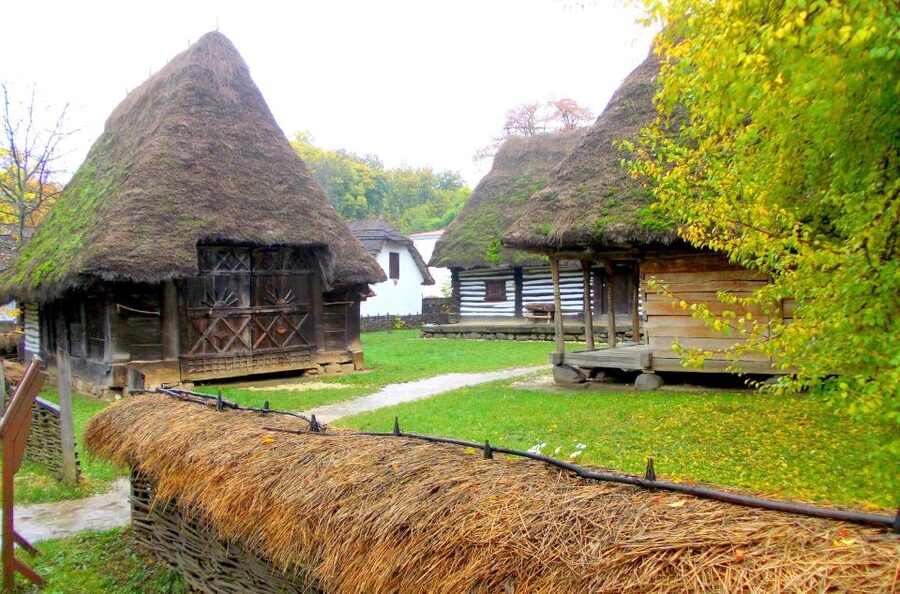
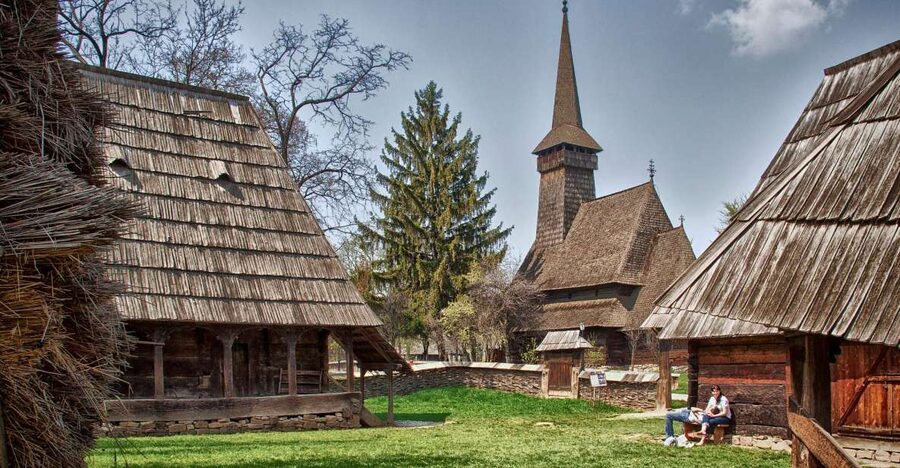
Bucharest’s best shortcut to rural Romania is the Dimitrie Gusti National Village Museum, where more than 300 historic buildings sit inside King Michael Park. Wooden churches, thatched barns, steep-roofed homes, and old farmhouses show how varied Romanian village life once was, without requiring a trip across the country.
I like the way this tour connects architecture with food and wine. The craft stop adds useful detail through blouses, painted eggs, pottery, and carved objects, while the final tasting introduces grapes you may not meet outside Romania. The main drawback is the price: at $153 per person, this is a costly half-day, especially for solo travelers, though private transport and a dedicated guide help explain the rate.
Key points to know before booking
- 300-plus historic buildings: The Village Museum gathers homes and structures from Transylvania, Wallachia, Moldavia, the Danube Delta, and the Black Sea coast.
- A private, door-to-door outing: Pickup is included, and the tour finishes near the Romanian Athenaeum, within walking distance of Bucharest’s Old Town.
- Three Romanian wines: The tasting may include local grapes such as Feteasca Neagra, Tamaioasa Romaneasca, or Negru de Dragasani.
- Crafts with cultural meaning: Look for ie blouses, Moldavian painted eggs, Horezu pottery, glass icons, and Transylvanian wooden masks.
- A flexible guide experience: Mihai has been praised for punctual pickup, clear explanations, and adjusting the pace in very hot weather.
- Not designed for everyone: Children under three and wheelchair users cannot take part.
A half-day tour that links village life, crafts, and wine
This experience lasts about 4.5 hours and uses private transport, such as a car, van, or taxi. Your guide collects you from your accommodation, takes you first to the museum, then into central Bucharest for the craft and wine stops.
The route has a sensible rhythm. You begin outdoors with buildings and regional traditions, move indoors to handmade objects, then sit down with food and wine. That order matters because the tasting feels more meaningful after you have seen the rural life and objects behind the culture.
The tour is private, so you are not tied to a large group’s pace. That can be especially useful at the museum, where you may want more time with a wooden church or need a pause during hot weather. A past tour with Mihai included a flexible response to extreme heat, which is the sort of small adjustment that can make a four-hour outing much more comfortable.
Your guide speaks English or Romanian. Pickup is at your hotel lobby beside reception, or downstairs at the entrance if your accommodation has no lobby. The day ends at the Romanian Athenaeum, giving you an easy place to continue into the city center.
Other wine trips in Bucharest:
- Wine Tasting in Bucharest
★ 5.0 · 183 reviews - Peles & Cantacuzino Castles: Gourmet Wine & Cultural Day trip
★ 4.5 · 67 reviews - Private Tour to Salt Mine, Lunch at Winery and Dracula Grave
★ 5.0 · 60 reviews
Walking through the Dimitrie Gusti National Village Museum
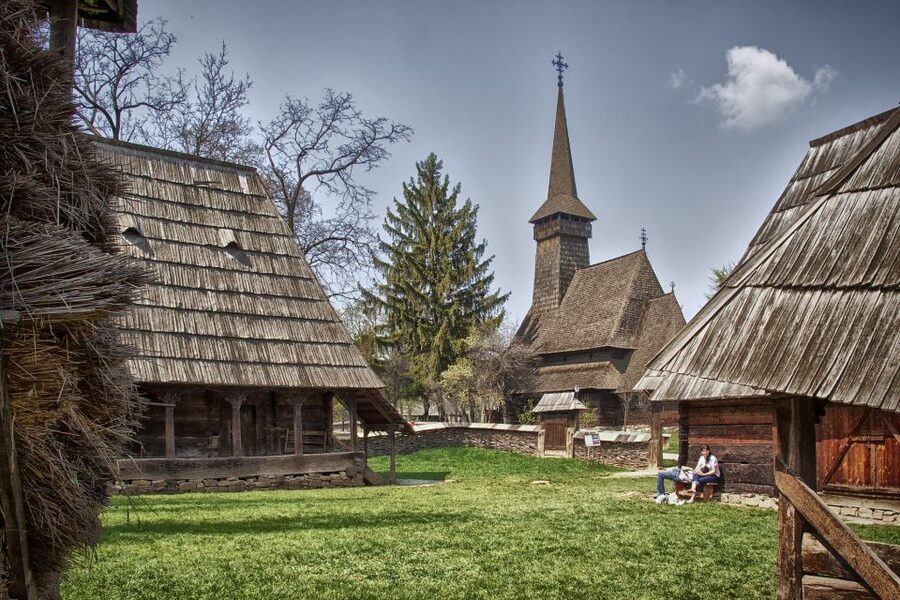
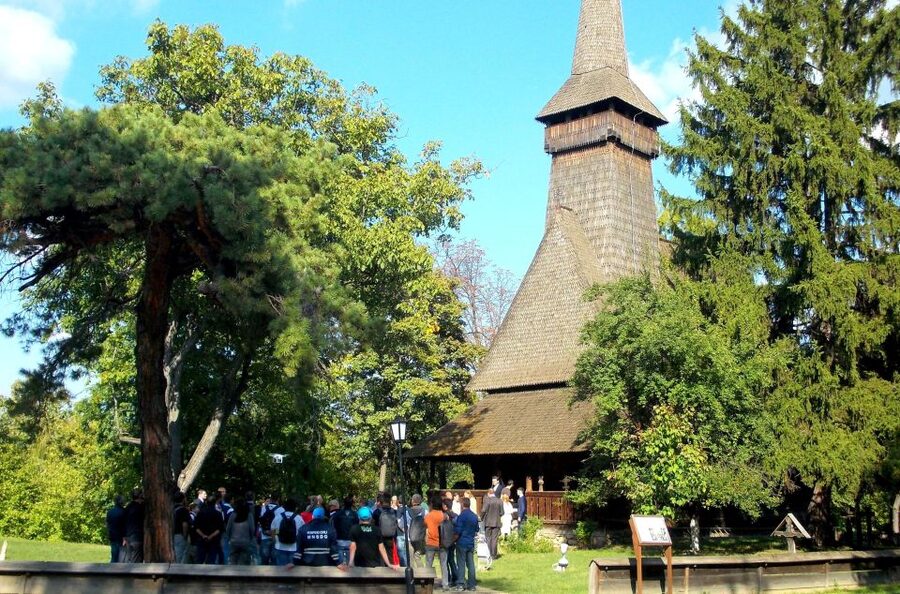
The museum is the heart of the experience. Opened in 1936 inside King Michael Park, it recreates the feel of an 18th and 19th-century Romanian village using more than 300 buildings moved from different parts of the country.
This is not one uniform village. It is a collection of regional building styles, and that variety is the point. You may see the wooden churches and mountain cabins associated with Transylvania, larger inns and mansions from Wallachia and Moldavia, or windmills and thatched homes linked to the Danube Delta and Black Sea coast.
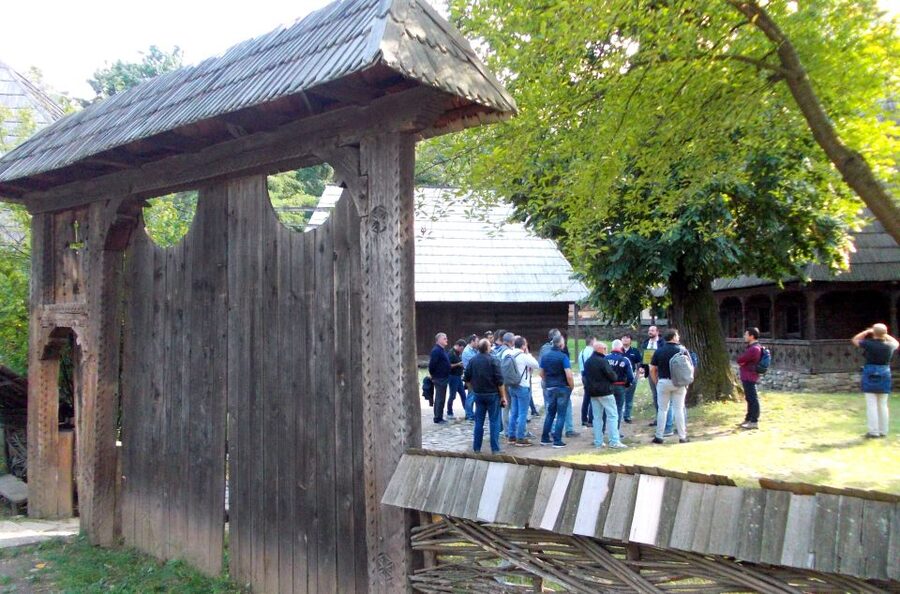
The buildings were brought here and rebuilt on site. As you walk between them, architecture becomes a map of Romania. Roof shape, building material, size, and decoration all hint at local weather, available resources, social position, and daily work.
I find this more useful than a standard city sightseeing stop because it gives you a frame for the rest of your Romanian trip. After the museum, rural churches, wooden houses, and regional foods are easier to place. You are not just seeing old structures. You are learning that Romania has several strong regional identities.
The guided portion lasts about 1.5 hours. That is enough time for a focused introduction, though not enough to inspect every building in detail. The museum is the second largest open-air museum in Europe, so you should expect an overview rather than a full study of the collection.
The practical tradeoff is walking. The route is outdoors, and the grounds can feel demanding in hot weather. Wear comfortable shoes and bring water, even though one bottle of water is included later with the tasting. The experience is not suitable for wheelchair users, and children under three are not accepted.
What the museum teaches you about Romanian regions
The strongest part of the museum is its regional comparison. Romania’s historic provinces do not all use the same building traditions, and the collection makes those differences visible in one compact visit.
Transylvanian structures can suggest a colder, mountainous setting through their materials and steep roofs. Wallachian and Moldavian buildings include larger homes, inns, and mansions that point to different patterns of wealth and trade. Near the delta and coast, windmills and thatched houses reflect life shaped by water, wind, and flat open ground.
The museum also gives folklore a physical setting. A traditional house is not just a pretty backdrop. It shows how families lived, worked, stored food, and expressed identity through design and decoration.
Your guide’s role matters here. A good explanation turns a collection of buildings into a story about people and place. The strongest feedback about this tour has centered on guides who explain Romanian history clearly and enthusiastically. That is important because a self-guided walk could easily become a series of old houses without much context.
The Romanian Athenaeum photo stop
The Romanian Athenaeum appears as a short photo stop and pass-by, lasting about 10 minutes. It is not a full interior visit, so keep your expectations in check.
Still, the stop helps connect the rural museum to Bucharest’s grand central architecture. You begin with village buildings and finish near one of the city’s best-known landmarks. If you want more photographs or a closer look at the Athenaeum, ask your guide about the timing, but the planned stop is brief.
The tour finishes there, not at your accommodation. That is useful if you want to continue sightseeing. The Old Town is within walking distance, and you can ask for directions to your hotel or the nearby historic center.
Same base, a completely different day:
- Bucharest: Dracula’s Castle, Peles Castle, & Brasov Old Town
★ 4.5 · 17,858 reviews - Bucharest: Dracula Castle, Peles Castle & Brasov Old Town
★ 4.6 · 10,891 reviews - Bucharest: Dracula’s Castle, Peleș Castle & Brașov Day Trip
★ 4.5 · 5,919 reviews - Bucharest: Palace of Parliament Tickets and Guide
★ 4.3 · 3,182 reviews
Handmade Romanian crafts at Art&Craft Victoriei
The craft stop lasts about 30 minutes. It is shorter than the museum and wine tasting, but it adds an important layer to the day.
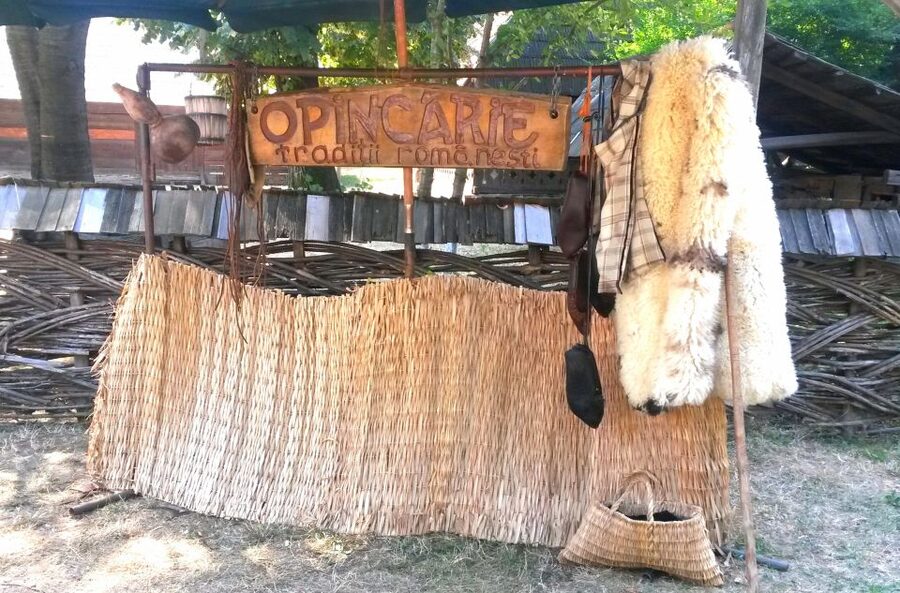
You can see handmade Romanian blouses called ie, glass-painted icons, Moldavian Easter eggs, Horezu pottery from Wallachia, wooden masks and small objects from Transylvania, books, Dracula-themed souvenirs, and traditional sweets.
The regional details are worth your attention. Horezu pottery is not simply generic ceramic, and the painted eggs reflect a specific Romanian decorative tradition. The ie is also more than a souvenir shirt. It is a recognizable form of Romanian folk clothing, with embroidery carrying regional character.
This stop is partly for shopping, so it works best if you enjoy browsing rather than rushing through a display. The 30-minute slot gives you time to look and perhaps buy a small reminder of the trip, but it is not a long craft workshop. You will admire finished handmade goods rather than make an object yourself.
The shop also carries knot cookies and chocolate nuts, which offer a quick taste of Romanian sweets. Dracula items are available too, useful if you want a lighthearted souvenir, though they represent the tourist side of Romania more than the village traditions that define the museum.
Three Romanian wines and a small local plate
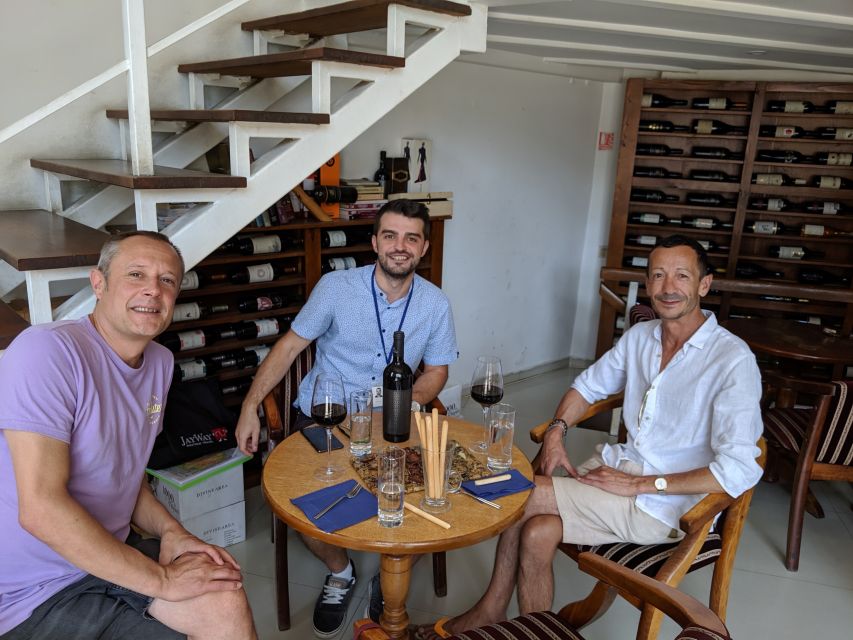
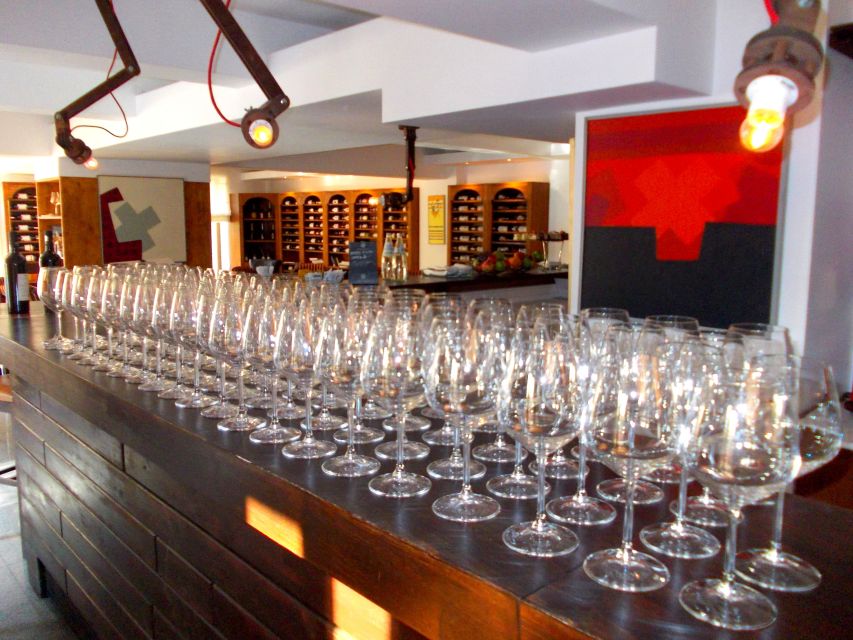
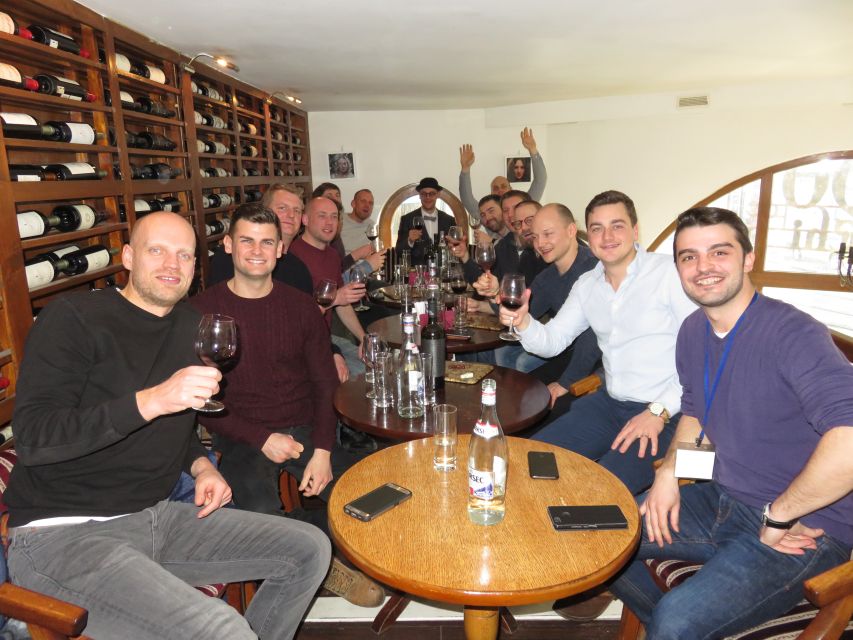
After the craft stop, you walk about five minutes to a local wine bar. The tasting lasts around 1.5 hours, making it the most relaxed part of the tour.
You receive three glasses of Romanian wine, water, and a small plate of local cheese and charcuterie. Additional food and drinks are not included, so plan to pay separately if you want to continue at the bar after the scheduled tasting.
The tasting introduces Romanian wine as part of the country’s culture, not just as a drink at the end of the afternoon. Your guide explains the long tradition of viticulture, the revival of the wine industry in recent decades, and the character of regions such as Dealu Mare.
You may taste grapes that are unfamiliar outside Romania. Feteasca Neagra is a key red variety, while Tamaioasa Romaneasca and Negru de Dragasani show other sides of the country’s wine production. The exact three wines are not specified, so do not book this expecting a fixed flight.
This is where the tour’s food and history connection pays off. After seeing how regional life appears in buildings and crafts, you get another expression of place through grapes, production, and local flavors. The cheese and charcuterie are a modest accompaniment, not a full meal, so have lunch beforehand if you usually need more than a tasting plate.
The wine portion has received some of the strongest praise, with particular attention to clear explanations and an enjoyable atmosphere. It is a good fit if you like learning the basics of a country’s wine before choosing bottles on your own.
Is $153 per person a fair price?
At $153 per person, this is not a budget tour. The value depends on what you want from Bucharest.
You are paying for a private group, hotel pickup, private transport, a licensed guide, museum admission, a guided museum visit, three wines, water, and cheese and charcuterie. You also get a route that would take more planning if arranged independently.
The price makes more sense for two or more people sharing a private experience. Solo visitors will feel the cost more sharply, although a private tour can be worthwhile if you value direct questions, flexible pacing, and a ride between locations.
You could visit the Village Museum separately for less money, then find a wine bar yourself. That option gives you more control and lower cost, but it removes the link between the buildings, crafts, and wines. It also leaves you to arrange transport and research where to taste Romanian varieties.
I would judge this tour by its convenience and cultural focus, not by the number of stops. It is not a packed checklist of Bucharest sights. It is a compact introduction to Romanian rural traditions with a comfortable finish over wine.
Who will enjoy this Bucharest experience most?
I would recommend it to first-time visitors who want more than a city-center walk. The museum gives you historical and regional context, while the craft and wine stops make the subject feel practical and current.
It also suits couples, families with older children, and small private groups who prefer a guide rather than a large coach. Wine lovers will appreciate the chance to ask questions about grapes such as Feteasca Neagra and Negru de Dragasani.
It may not suit you if you want a full day of museums, a serious wine course, or a large meal. The craft stop is brief, the Athenaeum visit is only for photos, and the museum requires outdoor walking.
The tour is also a poor fit for wheelchair users and for children under three. Anyone sensitive to heat should schedule carefully and bring suitable clothing and water. The guide can be flexible, but weather still affects an outdoor museum visit.
Booking details that matter
You can cancel up to 24 hours before the tour for a full refund. You can also reserve now and pay later, which helps if your Bucharest plans are still changing.
The guide waits in your hotel lobby beside reception. If there is no lobby, the meeting point is downstairs at the entrance. Confirm that your accommodation can be reached for pickup and remember that the final drop-off is at the Romanian Athenaeum, not necessarily at your hotel.
The full experience takes 4.5 hours, with starting times based on availability. Since the day combines walking, shopping, and sitting at a wine bar, it is easier to manage than a full-day excursion, but the museum portion still calls for comfortable shoes.
Should you book Traditions in Bucharest?
Book it if you want a private introduction to Romania that moves beyond Bucharest’s grand buildings and Old Town streets. The Village Museum is the main reason to go, and the wine tasting gives the outing a pleasant, useful finish.
The tour is especially good for travelers who value a guide’s explanations, hotel pickup, and a carefully connected route. The praise for guides such as Mihai, along with the reports of punctual pickup and flexibility in hot weather, supports choosing this over a more rigid group excursion.
Skip it if your priority is the lowest possible price, a full meal, or a deep look at the Romanian Athenaeum. For everyone else, the mix of village architecture, handmade crafts, and three local wines makes this a thoughtful half-day choice, provided the $153 price fits your budget.
FAQ
How long does the Traditions in Bucharest tour last?
The tour lasts 4.5 hours, including the museum visit, craft stop, wine tasting, transport, and the short Athenaeum photo stop.
Where does the tour begin?
Pickup is provided in Bucharest from your accommodation. The guide waits in the hotel lobby beside reception, or downstairs at the entrance if there is no lobby.
Where does the tour finish?
The tour ends at the Romanian Athenaeum. The Old Town area is within walking distance, and you can ask the guide for directions to your accommodation or the nearby Old Town.
What is included in the wine tasting?
The tasting includes three glasses of Romanian wine, one serving of water, and a local cheese and charcuterie platter.
Which Romanian wines might I taste?
The experience may introduce varieties such as Feteasca Neagra, Tamaioasa Romaneasca, and Negru de Dragasani. The exact three wines are not fixed in the provided details.
Is the tour private?
Yes. It is offered as a private group experience with a licensed guide and private transport by car, van, or taxi.
Is the tour suitable for young children or wheelchair users?
Children under three are not accepted, and the experience is not suitable for wheelchair users.
More museums around Bucharest
- Bucharest: Museum of Senses Entry Ticket
★ 4.2 · 364 reviews - Communism in Bucharest – Landmarks, Museum & Communist Appetizers
★ 5.0 · 111 reviews - Bucharest: Entry ticket at the Museum of Communism
★ 4.6 · 57 reviews - Bucharest: Museum of Communism Ticket with Communist Coffee
★ 4.6 · 52 reviews
More wine tours in Bucharest
- Bucharest: Private Wine Tasting Experience
★ 5.0 · 44 reviews - Traditions in Bucharest: Village Museum and Wine Tasting Tour
★ 5.0 · 27 reviews - Bucharest: Romanian Wine and Food Pairing Experience
★ 4.0 · 23 reviews - Wine Tasting in Bucharest long version
★ 5.0 · 22 reviews
Just added around Bucharest
- Winery touring & private wine tasting – one day private tour★ 5.0 · 3 reviews
- Village Museum Bucharest Guided Tour★ 5.0 · 6 reviews
- Bucharest: Dealu Mare Winery Private Trip with Wine Tasting★ 4.9 · 6 reviews
- Transylvania Tour: Dracula’s Castle, Peles Palace & Brasov★ 5.0 · 19 reviews
- Airport Henri Coanda (Otopeni) to Bucharest – Private Transfer – Driver★ 5.0 · 5 reviews
- Gems of Transilvania: Brasov,Sighisoara,Sibiu,Viscri and more★ 5.0 · 6 reviews
- Discover Medieval Transylvania Small Group Tour – 7 days★ 5.0 · 4 reviews
- Bucharest Airport Transfer To Constanta Mamaia★ 5.0 · 3 reviews
Wine Tours, compared.
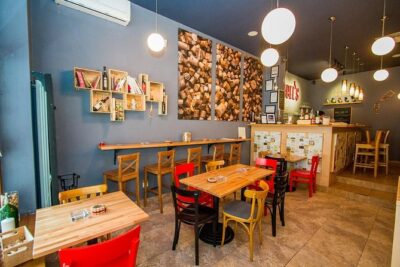
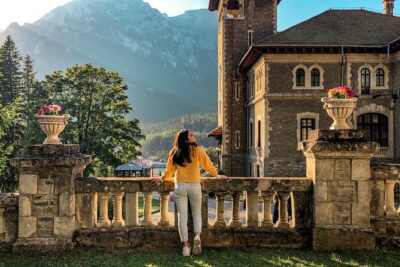
Peles & Cantacuzino Castles: Gourmet Wine & Cultural Day trip
Read our review →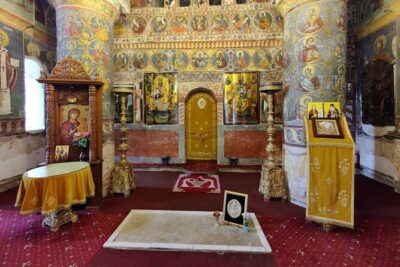
Private Tour to Salt Mine, Lunch at Winery and Dracula Grave
Read our review →
Half-Day Private Food and Wine Walking Tour Oradea Romania
Read our review →
Day trip to Republic of Moldova – visit Chisinau and Cricova Winery
Read our review →
Traditions in Bucharest: Village Museum and Wine Tasting Tour
Read our review →
Browse the lists this tour appears in