Reviewed · TOURS IN BUCHAREST
Private 8 Day Romania UNESCO Tour
Romania’s best sights are scattered across the country, and this eight-day private route connects them without making you plan every transfer. You move from Bucharest’s revolution history to Saxon citadels, wooden churches, painted monasteries, Carpathian roads, and village homes where traditional life is still part of the day.
I especially like the two rural overnights in Sibiel and Botiza, which give the trip more character than a string of city hotels. I also like the balance between famous places such as Bran Castle and smaller stops such as a black-pottery workshop or a family jam shop. The tradeoff is clear: several days involve long drives, and entrance fees, lunches, and most dinners are extra.
The quick take on Romania’s long, rewarding loop
- Sibiel and Botiza provide real village time, including a horse-drawn wagon ride, home cooking, and visits to local households.
- The UNESCO focus is broad, covering medieval towns, fortified churches, wooden churches, and Bucovina’s famous painted monasteries.
- The private format matters, since your guide travels with your group and can answer questions or adjust the pace within the planned route.
- The scenery changes constantly, from Transylvanian hills to the Carpathian passes, Bicaz Gorges, and Red Lake.
- The price includes transport, guide service, lodging, breakfasts, three dinners, and craft visits, but you should budget about €85 for admission tickets plus other meals.
- The route suits curious first-time visitors, but it is not a slow holiday. You will spend plenty of time on the road.
Bucharest to Sibiu, with a village welcome
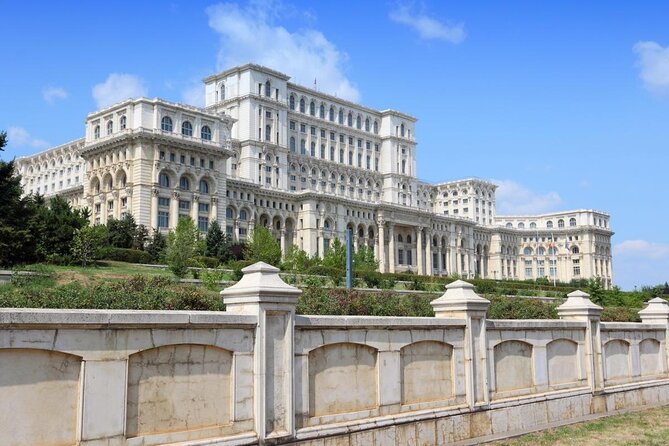
The tour begins at 9 a.m. with pickup at your Bucharest hotel. A panoramic introduction takes in the Parliament Palace, Revolution Square, the Romanian Athenaeum, the former Royal Palace, Triumph Arch, and Victoriei Avenue.
This is a useful start because Bucharest’s key sights are spread across a large city. You get the broad picture before leaving for Transylvania. Revolution Square also gives your guide a natural place to explain the 1989 anti-communist uprising, a turning point in modern Romanian history.
The first listed stop is Cozia Monastery, built at the end of the 14th century. Its church is an important example of Romanian religious architecture, and it is also the burial place of Mircea the Old, a major Wallachian ruler. The visit is short, so expect an introduction rather than a long study of the monastery.
Sibiu receives more time. A two-hour walk covers the Big Square, Small Square, Staircase Tower, Liars’ Bridge, cathedrals, medieval walls, and fortifications. Sibiu was founded in 1190 and became the main city of the Transylvanian Saxons. Its squares and German-influenced buildings give it a very different feel from Bucharest.
You also visit the Roman Catholic Holy Trinity Church and the Orthodox Cathedral of the Holy Trinity. The Orthodox cathedral is a highlight for its early 20th-century architecture and interior frescoes.
The day ends in Sibiel, a village outside Sibiu. A horse-drawn wagon ride gives you a simple way to see the old village, and a homemade dinner introduces local products. You spend the night in a local guesthouse rather than returning to the city. That choice is important: the evening in Sibiel is one of the parts of the trip that connects sights with ordinary rural life.
Other private tours around Bucharest:
- Castles of Transylvania: Private Day Trip from Bucharest
★ 4.5 · 248 reviews - Dracula’s Castle, Peles Castle and Brasov – Private Day Trip from Bucharest
★ 5.0 · 211 reviews - Best of Bucharest | Private Walking Tour
★ 5.0 · 199 reviews
Castles, Roman ruins, and Cluj’s city squares
Day two begins with Corvin Castle in Hunedoara, the largest medieval castle in Romania according to the tour description. Dating from the 15th century, it was once the residence of Transylvanian governors. The castle gives you the dramatic medieval setting many people expect from Romania, though the visit lasts about an hour, so you will not have unlimited time for every room and detail.
Alba Iulia follows. This city reaches back to ancient times and includes remains linked to one of Romania’s major Roman settlements. It is also known as the city of the Union, giving the stop national importance beyond its fortress walls.
The Vauban-style fortifications are the main visual draw. You also see the Orthodox Cathedral, the Catholic Cathedral, and Roman ruins. The two-hour visit lets your guide connect Roman, medieval, imperial, and modern Romanian history in one place.
The night is in Cluj-Napoca, at the four-star Napoca Hotel or a similar property. This is a change of pace after the rural guesthouse. Cluj is one of Transylvania’s largest cities, with a university-town feel and a busy cultural center.
On day three, a walking tour covers Union Square, St. Michael’s Cathedral, Museum Square, the Orthodox Cathedral, National Theatre, and the statue of Matei Corvin. St. Michael’s is the largest cathedral in Cluj-Napoca and dates from the 15th century.
The city walk lasts about two hours, with another 30 minutes set aside for the cathedral. You should enjoy the contrast between Cluj’s urban streets and the rural regions that follow, but keep in mind that this tour moves quickly from one area of Romania to another.
Maramures, where wood and custom shape the journey
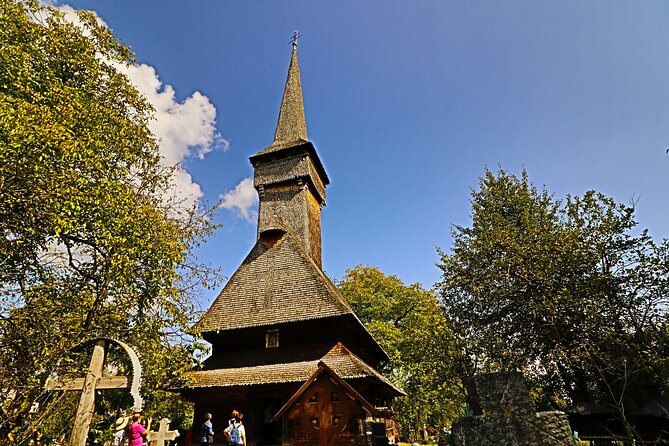
From Cluj, the route heads north to Maramures, one of the strongest sections for traditional architecture and village customs. The first stop is Surdesti Wooden Church, a UNESCO site built in 1766. Its 54-meter tower is considered the tallest old wooden church in Europe.
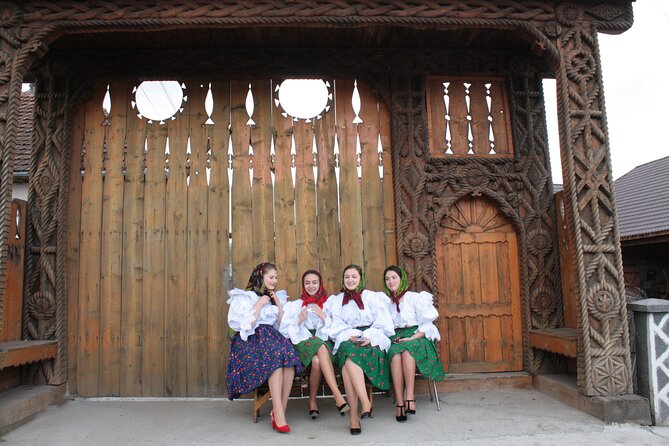
At Desesti, you visit another UNESCO wooden church, the Church of the Holy Paraskeva. Maramures is known for its wooden gates, folk clothing, weaving, wood carving, water mills, and old household buildings. The tour includes visits to some local craftspeople, though the exact workshops available can vary.
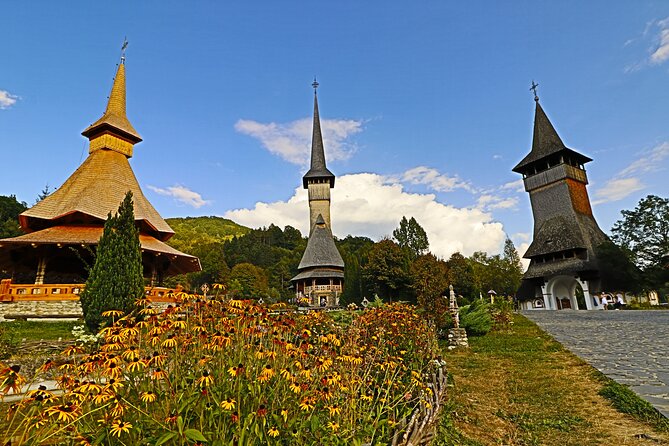
Barsana Monastery adds another example of local wooden architecture and monastic life. There is also an optional visit to a local carver’s workshop. The route ends in Botiza, where you visit a local household and, depending on the season, a sheepyard.
That seasonal note matters. The sheepyard visit is not guaranteed, but the household visit offers a more dependable look at village life. Dinner and accommodation are at a local pension, giving you a second rural night.
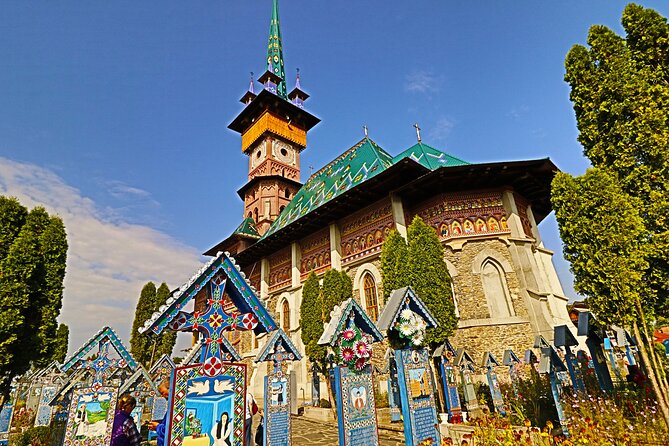
Day four continues around Maramures. Sapanta Merry Cemetery is unusual because its carved, brightly painted tombstones use humorous poems to describe the dead. It is an enjoyable and thoughtful stop, but the humor is tied to local culture, so your guide’s explanation will help you understand what you are seeing.
Nearby Sapanta-Peri Monastery has a wooden tower listed at 78 meters and is described as the tallest wooden church in the world. The present monastery was founded in 1997 to revive the tradition of an older monastery whose site is now in Ukraine.
You pass through Sighet, the region’s largest town. The Communist Prison Museum is optional, so ask your guide about adding it if 20th-century history interests you. The tour also visits the Maramures Woman Museum in Dragomiresti, a small museum focused on women’s work, household customs, and local traditions.
At the entrance, a carved wooden gate gives your guide a chance to explain the symbols used in Maramuresean gates. Bogdan Voda Wooden Church, dating from the early 18th century, is the final major stop. Its frescoes were painted on wood by local artists.
Bucovina’s painted monasteries and working craft traditions
Day five crosses the Carpathians toward Bucovina. The drive through the mountains is one of the scenic high points of the route, though it is also one of the longer travel stretches. In Ciocanesti, painted houses and painted egg traditions offer a brief look at local decorative art. An optional local museum visit may be available.
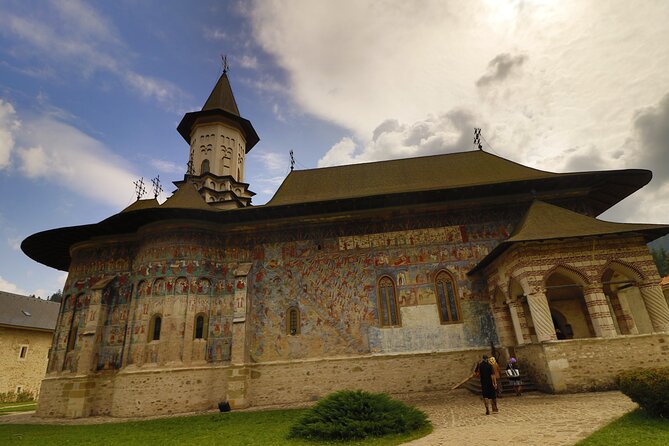
Moldovita Monastery is the first major Bucovina monastery. Built in 1532 under Prince Petru Rares, it has thick walls, towers, and a fortress-like form. Its original interior and exterior frescoes are the reason to visit. These paintings are not simple decoration. They helped communicate religious stories in a period when many people could not read.
The International Museum of Painted Eggs, associated with artist Lucia Condrea, explains the techniques, designs, and customs behind this regional craft. This is a good stop for anyone who wants more than quick photographs of monastery walls.
Sucevita Monastery is another fortified complex, with towers, buttresses, and defensive walkways. It is often regarded as one of Bucovina’s grandest monastic achievements. The tour then visits a family workshop in Marginea, famous for black pottery made with old methods.
I like this pairing of major monuments and working craftspeople. You see the finished cultural tradition at the monasteries, then encounter hands-on skills in homes and workshops. The drawback is that each monastery visit is fairly short, around 45 minutes, so you may want to ask your guide which frescoes deserve special attention.
Same base, a completely different day:
- Bucharest: Dracula’s Castle, Peles Castle, & Brasov Old Town
★ 4.5 · 17,858 reviews - Bucharest: Dracula Castle, Peles Castle & Brasov Old Town
★ 4.6 · 10,891 reviews - Bucharest: Dracula’s Castle, Peleș Castle & Brașov Day Trip
★ 4.5 · 5,919 reviews - Bucharest: Palace of Parliament Tickets and Guide
★ 4.3 · 3,182 reviews
Voronet, the Carpathians, and a first look at Sighisoara
Voronet Monastery opens day six. Founded in 1488 by Stephen the Great, it is famous for its blue background color and its well-preserved Last Judgment fresco. Voronet is one of the stops where the guide’s interpretation adds real value, since the painted scenes can look overwhelming if you do not know what to look for.
The route then returns across the Carpathians. Red Lake and Bicaz Gorges provide a change from churches and medieval towns. Red Lake is a natural mountain sight, while Bicaz Gorges is a narrow and dramatic passage through the mountains.
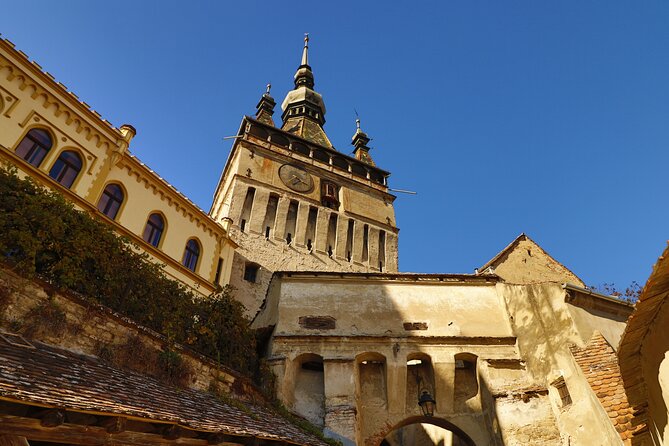
The day ends in Sighisoara. Only about an hour is scheduled at first, followed by a fuller walking tour the next morning. That split works well because Sighisoara is worth seeing in two stages, but you should not expect a leisurely first evening with a long independent visit.
Sighisoara and Brasov, two medieval centers with different moods
Sighisoara’s citadel was built in the 13th century by German Saxon settlers. Its old town remains one of Europe’s best-preserved medieval centers and is listed by UNESCO. A two-hour walk brings you through the medieval streets and gives you time to understand why the town is often called the Pearl of Transylvania.
The route then passes through Saxon villages to Saschiz, where you stop at a local producer for jam, chutney, and syrup tasting. This is a small experience, but it breaks up the monuments with something edible and local. It also gives you a chance to buy products directly from a producer.
Prejmer’s fortified church is next. Dating from the 13th century, it combines worship with serious defensive planning. The thick fortified structure shows how religious buildings could also protect a community during periods of attack.
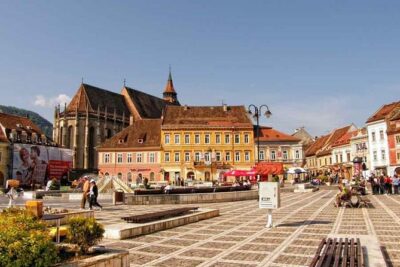
Brasov brings another medieval city, but its center feels larger and more urban than Sighisoara. The walking tour includes Council Square, the Black Church, White and Black Towers, Weaver’s Bastion, and Catherine’s Gate.
The Black Church is Romania’s largest Gothic cathedral. Weaver’s Bastion forms part of the old defensive system, and both are included in the city walk, although separate admission fees may apply. You should wear comfortable shoes because this day includes substantial walking on historic streets and around old fortifications.
Bran Castle and Peles Castle before the return to Bucharest
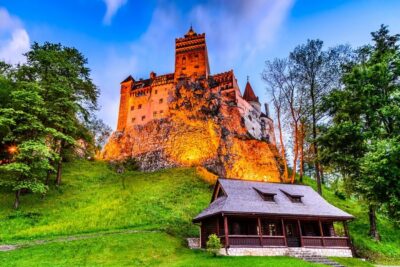
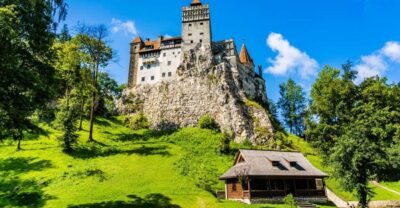
The final morning begins at Bran Castle, widely known as Dracula’s Castle. Built in the 14th century, it controlled access into Transylvania and has a strong Gothic appearance. Its connection with Dracula is largely the reason for its fame today, so expect a blend of medieval history and popular legend.
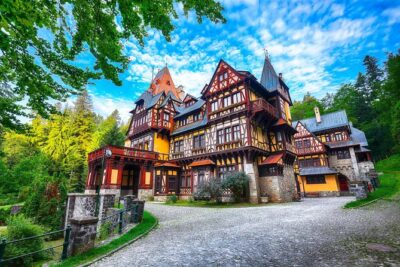
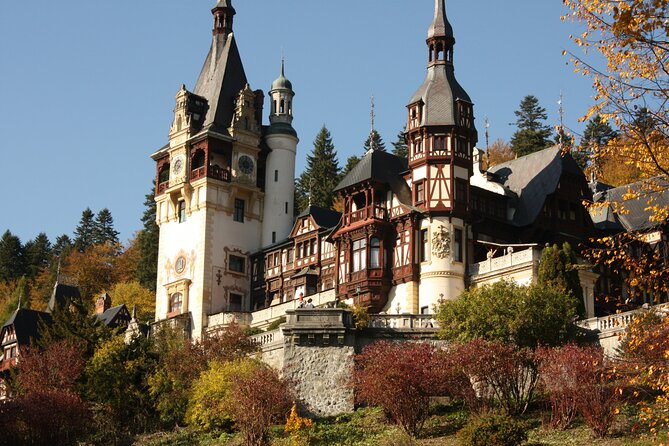
Peles Castle in Sinaia is a different experience. It was the summer residence of Romania’s kings and is described as one of Europe’s finest former royal residences. The two castles work well together: Bran offers a fortified medieval setting, while Peles presents royal comfort and ceremony.
The tour returns to Bucharest at about 4 p.m., with drop-off at the airport or a Bucharest hotel. If you are flying that evening, confirm the timing carefully and allow extra margin. A tour vehicle can face road delays, and the schedule is an estimate rather than a flight guarantee.
What the $2,315.49 price really covers
At $2,315.49 per person, this is not a budget coach tour. It is a private, eight-day trip with seven nights in double or twin rooms, private transport, a guide, seven breakfasts, three dinners, the Sibiel wagon ride, craft visits, and the tasting in Saschiz.
The strongest value comes from the route and the private format. Romania’s UNESCO sites are spread far apart, and arranging this same journey by public transport would take considerable time and planning. A private guide also gives you one person to explain architecture, answer questions, and help with the practical details of a changing schedule.
You still need to budget for other meals, most dinners, and entrance fees. The estimated admission total is about €85. Group discounts are available, but the exact saving is not provided.
Accommodation changes from local pensions and guesthouses to a four-star hotel or similar property. That variety is part of the appeal, but it also means the trip is not designed around one consistent hotel standard. You should choose it for access to Romania’s places and people, not for luxury lodging.
Who should book this private Romania tour
I would choose this tour if you want a wide first look at Romania and care more about cultural variety than free time. It suits couples, friends, and small private groups who want a guide but do not want to travel with strangers.
It is especially good for people interested in religious art, medieval towns, village architecture, local crafts, and 20th-century history. The painted monasteries, wooden churches, and fortified towns are the heart of the experience, while Bran Castle supplies the familiar headline attraction.
You should think twice if you dislike long drives, changing hotels, or scheduled sightseeing. Several visits last only 15 to 45 minutes, and the itinerary covers a large part of Romania in eight days. The private setup gives you more flexibility than a group coach, but it does not turn this into a slow-paced trip.
The provider has a full refund policy when you cancel at least three full days before the start time. Confirmation is subject to availability and is sent within 48 hours of booking. Most people can take part, and pickup is offered from a Bucharest hotel.
Should you book it?
Book it if you want Romania’s major UNESCO sights tied together with village meals, craft workshops, and mountain roads. The strongest moments are likely to be the rural evenings in Sibiel and Botiza, the painted monasteries of Bucovina, the wooden churches of Maramures, and the private guide’s ability to connect them.
Skip it if you want beach-style relaxation, long independent afternoons, or a fixed hotel base. For an ambitious first visit, though, the route gives you an unusually broad look at Romania, from the 1989 revolution in Bucharest to medieval Saxon towns, royal castles, and living village traditions.
FAQ
What is included in the eight-day Romania tour?
The tour includes seven nights in double or twin rooms, private transport, a private tour guide, seven breakfasts, three dinners, a horse-drawn wagon tour near Sibiu, visits to local craftspeople, and jam, chutney, and syrup tasting.
Are entrance tickets included?
Some admissions are included, but many are not. The estimated total for entrance tickets is about €85. The tour price does not include other meals and services not specifically listed.
Where does the tour start and finish?
The tour starts with pickup at your hotel in Bucharest at 9 a.m. It returns to Bucharest at about 4 p.m. on day eight, with drop-off at the airport or a Bucharest hotel.
Is this a group tour?
No. This is a private activity, so only your group participates. A private guide accompanies you throughout the route.
How many dinners and breakfasts are included?
Seven breakfasts and three dinners are included. Other meals are not included, so you should plan for lunches and the remaining dinners.
Can I cancel for a full refund?
Yes, if you cancel at least three full days before the experience start time. Cancellations or changes made less than three full days in advance are not refunded or accepted.
Just added around Bucharest
- Winery touring & private wine tasting – one day private tour★ 5.0 · 3 reviews
- Village Museum Bucharest Guided Tour★ 5.0 · 6 reviews
- Bucharest: Dealu Mare Winery Private Trip with Wine Tasting★ 4.9 · 6 reviews
- Traditions in Bucharest: Village Museum and Wine Tasting★ 5.0 · 8 reviews
- Transylvania Tour: Dracula’s Castle, Peles Palace & Brasov★ 5.0 · 19 reviews
- Airport Henri Coanda (Otopeni) to Bucharest – Private Transfer – Driver★ 5.0 · 5 reviews
- Gems of Transilvania: Brasov,Sighisoara,Sibiu,Viscri and more★ 5.0 · 6 reviews
- Discover Medieval Transylvania Small Group Tour – 7 days★ 5.0 · 4 reviews
Tours in Bucharest, compared.
Dracula’s Castle, Peles Castle, & Brasov Old Town
Read our review →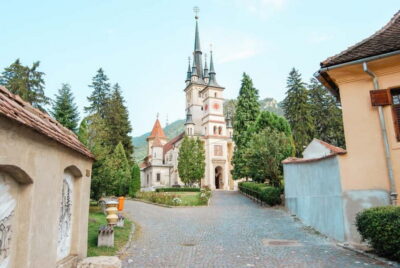
Dracula’s Castle, Peleș Castle & Brașov Day Trip
Read our review →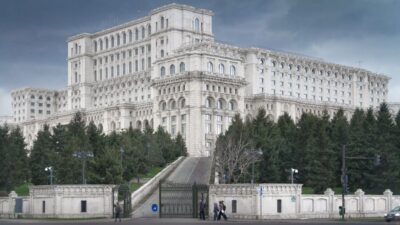
Day Trip to Dracula Castle, Peles Castle & Brașov
Read our review →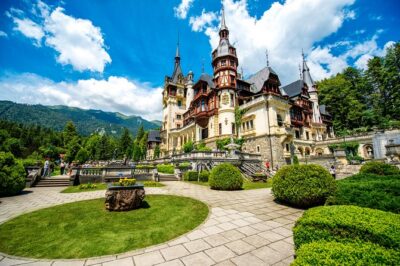
Bucharest to Dracula Castle, Peles Castle and Brasov Guided Tour
Read our review →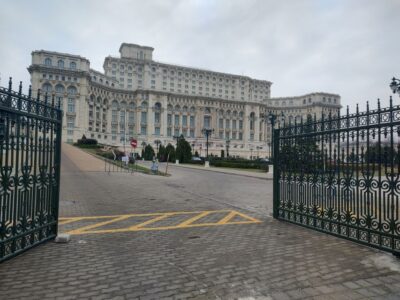
Dracula’s Castle, Peles Castle and Brasov Day Trip from Bucharest
Read our review →